 EN
Home Skincare
Ideal for daily facial care routines, providing easy-to-use beauty solutions at home.

2026/10/26
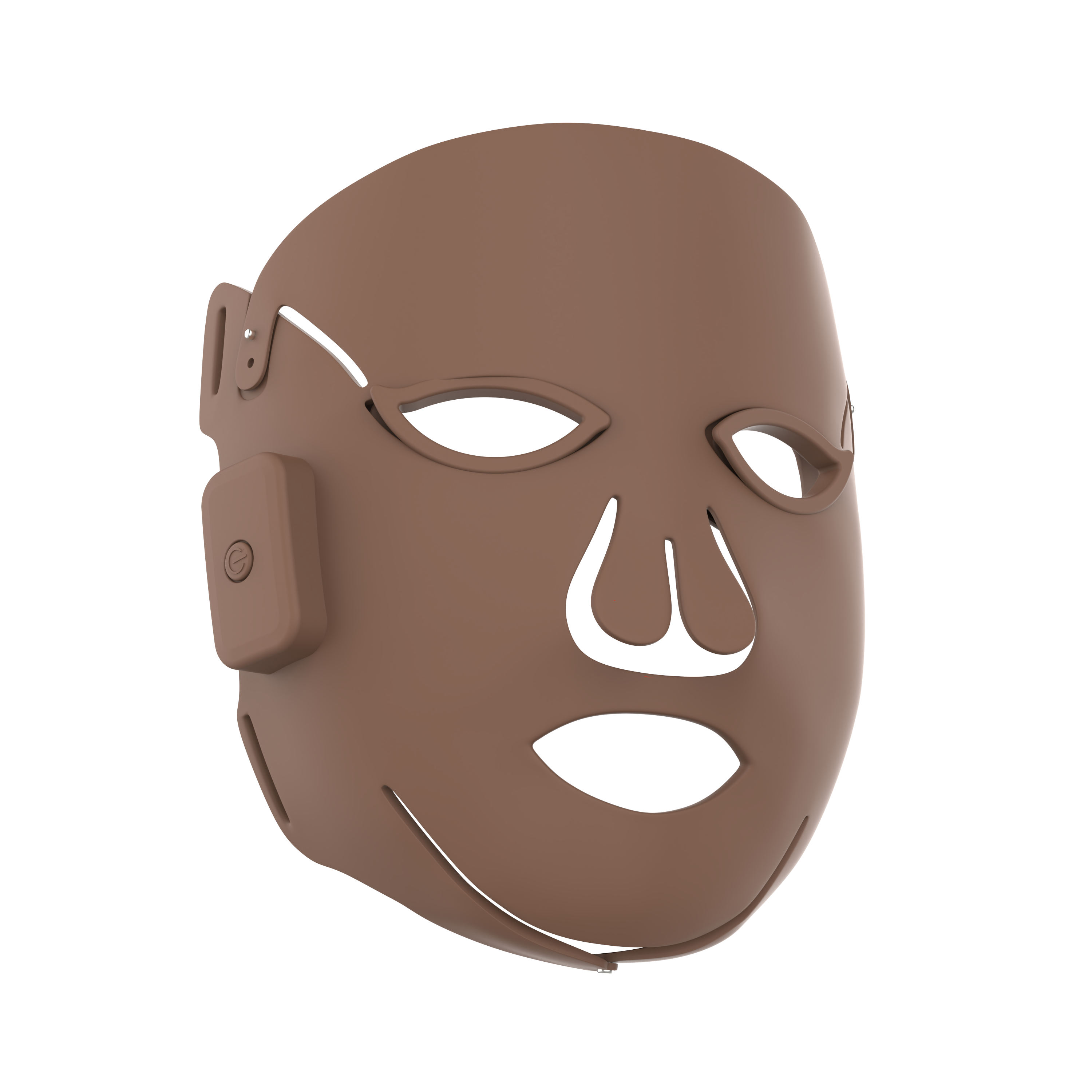
A silicone LED mask is often judged by the number of lights or the color modes listed on its box. Those details matter, but they are not the whole decision. From a home beauty-device selection perspective, a mask that feels awkward, shifts during a session, or leaves gaps over key facial contours is less likely to be used consistently. A better starting point is to look at how the mask meets the face.
That is where flexible construction earns attention. A well-designed silicone LED mask can sit closer to the forehead, cheeks, nose, and jaw without feeling like a rigid shell pressing on one area. Close, comfortable placement helps keep the device in its intended position throughout the session. It does not guarantee a skincare result on its own; light specifications, session routine, skin condition, and the manufacturer’s instructions still matter. But fit is the feature that makes the rest of the design easier to use as intended.
“Contact” does not mean squeezing the skin. For a silicone LED mask, it means maintaining stable, low-pressure proximity across different face shapes while leaving the wearer able to breathe, blink, and relax. A rigid mask can be acceptable for some users, yet a flexible material has an advantage when the goal is to follow changing contours rather than force every face into one fixed curve.
When reviewing a silicone LED mask, separate two questions: does the mask sit predictably, and does the light system have documented specifications appropriate for its intended use? The first is about construction; the second is about performance and safety. A thoughtful product should address both.
The first feature to inspect is the silicone itself. A mask should flex enough to follow the bridge of the nose, cheekbones, temples, and jawline without collapsing or creating sharp pressure points. This is more than a comfort detail. A silicone LED mask that conforms naturally is less likely to rock from side to side when the wearer moves slightly or reclines.
Look for a balanced feel: overly thin material may feel unstable, while overly stiff material can behave like a hard shell. In a sample review, gently check whether the face panel recovers its shape after bending and whether the edges lie smoothly rather than curling outward. For sensitive or easily irritated skin, comfort should be assessed in a short trial session before committing to a longer routine.
A large LED count can sound impressive, but placement is more informative than the headline number. The LEDs should be arranged to serve the areas the mask is designed to cover, including the upper cheeks, sides of the nose, and perimeter of the face. A curved silicone LED mask can help the light-emitting surface remain positioned near those contours instead of sitting far away as a flat panel might.
Ask the supplier for the documented light modes, wavelength information, irradiance or output method where available, and recommended session protocol. Do not assume that more LEDs automatically mean better results. The useful comparison is whether the layout, output documentation, and fit work together in a repeatable routine.
A silicone LED mask needs a retention system that keeps it in place without turning the session into a pressure test. Adjustable straps are especially important because forehead width, hair volume, and head shape vary substantially. A well-designed arrangement usually allows small adjustments at more than one point so the wearer can stabilize the mask without pulling it tightly against the face.
Check strap attachment points closely. They should feel secure, avoid snagging hair, and distribute tension rather than concentrating it beside the eyes or ears. A low-slip design also matters when a user is seated upright. If the mask tends to slide down toward the nose, the light layout may no longer stay aligned with the areas it was meant to cover.
Small cutouts make a large difference during regular use. The eye area should offer enough clearance for blinking and should not create a distracting glare path. The nose opening needs to support easy breathing without causing the mask to perch too high on the face. Around the perimeter, a smooth edge helps prevent the “one sharp spot” problem that can make a device feel fine for two minutes but unpleasant for a full session.
Here is a useful reality check: comfort is not a luxury add-on. If a user avoids a device because it pinches the nose, catches eyelashes, or leaves deep strap marks, consistency suffers. Consistency does not promise a particular outcome, but it is necessary for following any manufacturer-recommended schedule. During product development, testing multiple face shapes is more valuable than assuming one prototype fit represents everyone.
Weight affects contact over time. Even a flexible silicone LED mask can drift if the front panel is heavy or the controller and cable pull against the straps. A lighter, balanced build makes it easier to sit comfortably through the stated session length and can reduce the urge to keep readjusting the mask.
Easy care is the other half of long-term usability. The skin-facing surface should be simple to wipe according to the manufacturer’s cleaning instructions, while electronic components should remain protected from moisture. Do not soak the device or use aggressive cleaners unless the official instructions explicitly allow them. Clean contact surfaces, dry storage, and inspection of straps and cables can help preserve a comfortable routine.
Good contact design supports a better wearing experience; it is not a substitute for validated device specifications, a suitable skincare routine, or professional advice where needed. People with active skin conditions, photosensitivity concerns, or questions about medications should seek appropriate professional guidance before using light-based devices. Likewise, brands should avoid treating a close fit as proof of a medical or cosmetic result.
The practical takeaway is simple. Choose a silicone LED mask whose material, contour, straps, cutouts, and weight make it easy to position consistently. Then verify the manufacturer’s safety guidance and technical documentation. When those elements work together, the device is more likely to be comfortable enough to use as directed—and that is a more useful standard than a long feature list alone.

2026/10/30
Discover why in-house mold development helps an RF beauty device manufacturer improve product consistency, iteration speed, tooling control, and production readiness.

2026/10/30
Learn how to verify an RF beauty device manufacturer's R&D and prototyping capabilities using practical engineering workflows and audit checklists.

2026/10/30
Learn what shapes MOQ when choosing an RF beauty device manufacturer and how to plan a lower-risk first order with balanced platform and customization.

2026/10/30
Use this RF beauty device manufacturer evaluation checklist to compare safety evidence, OEM and ODM capability, quality control, and launch readiness.

2026/10/30
See how technology makes beauty at home more guided, consistent, and informed—plus a practical checklist for choosing devices wisely.

2026/10/30
Explore how AI and smart devices shape the future of beauty with responsive routines, clear guidance, trustworthy design, and user-controlled care.

Ideal for daily facial care routines, providing easy-to-use beauty solutions at home.

Perfect for spas and salons’ frequent treatments, enhancing client experiences and results.

Supports dermatologists with advanced devices for professional skin therapy sessions.

Delivers innovative solutions for full-body massage and relaxation with home devices.

Features anti-aging technologies to help reduce wrinkles and stimulate skin vitality.

Specialized devices for safe and effective hair removal suitable for home or clinic use.

Our customers love the Perfect Idea beauty devices. Quality, packaging, and results are all outstanding. We saw increased repeat sales after adding their facial cleansers to our lineup. Their support team is responsive and reliable.

Perfect Idea brings innovation and reliability to home beauty appliances. Our collaboration introduced their massage tools to Japanese women, boosting customer satisfaction and growing our brand trust across the region.

We partnered with Shenzhen Perfect Idea Tech for their beauty equipment. The shipping was fast and every product matched our expectations. Their home-use massagers are especially popular with local salons and home users.

The stylish packaging and attractive design make Perfect Idea stand out. French consumers appreciate the easy instructions and visible results. Communication was efficient and orders always arrived on time.

Perfect Idea home use personal care devices have become a favorite with our clients. The beauty device line offers quality at a reasonable price, and technical training for our staff made onboarding easy.

We selected Perfect Idea for our beauty product portfolio and have seen very positive feedback from our customers. Products are easy to market online and the customer support is reliable and helpful.
