 EN
Home Skincare
Ideal for daily facial care routines, providing easy-to-use beauty solutions at home.

2026/10/18
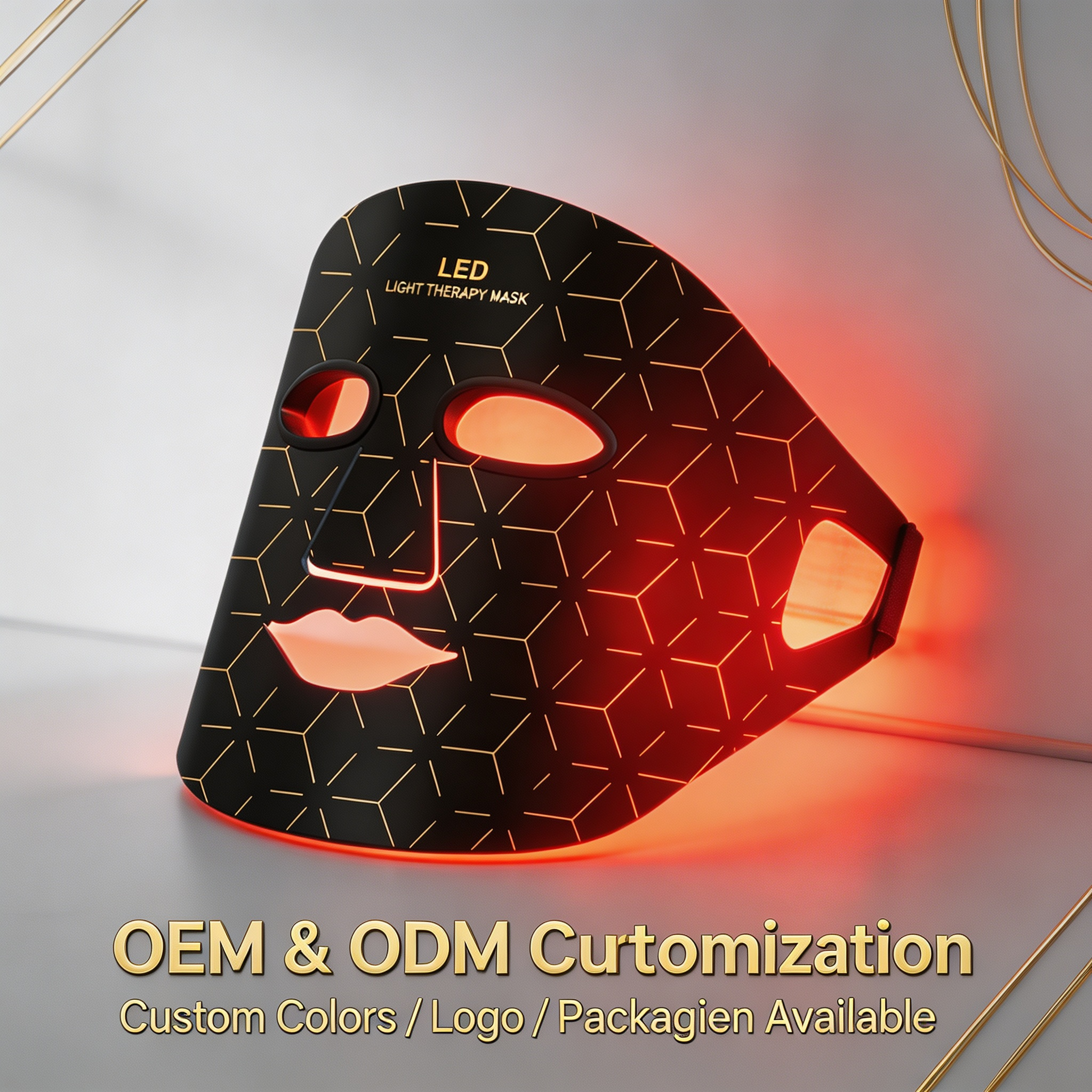
A red light therapy face service can be a useful addition to an aesthetic clinic when it is treated as a documented, non-invasive light-based protocol—not a promise of a medical cure. In practice, the most valuable use is often the one that fits cleanly into a consultation, treatment plan, and aftercare routine. For clinic teams evaluating LED services, the question is less “What can one session do?” and more “Where can consistent red-light support make an existing facial workflow more comfortable and coherent?”
Red light is commonly discussed under the broader term photobiomodulation. Dermatology-oriented guidance and current reviews describe its use for concerns that may include visible signs of aging, redness, and acne-related care, but evidence, dosing, and individual response vary. That distinction matters. A responsible red light therapy face protocol should explain expected support, consent boundaries, eye protection, and when a client should be referred to a dermatologist.
It is tempting to market every LED device as a long list of benefits. A better operating model is to assign the red light therapy face service a specific place in the client journey. This makes staff training easier, keeps claims measured, and helps clients understand why the session is being recommended. For device buyers, repeatable treatment setup, hygienic contact surfaces, comfortable fit, and clear timing controls can matter as much as the headline wavelength.
Before offering a session, document the device instructions, recommended protective eyewear, treatment duration, client skin history, concurrent procedures, and post-treatment observations. FDA clearance, where applicable, should be described accurately: it is not the same as a blanket proof that every outcome in marketing copy will occur.
One practical red light therapy face application is a short, quiet LED phase after a non-aggressive facial. The goal is not to claim that light replaces clinical treatment; it is to give the client a low-touch transition from cleansing and hydration into aftercare. This can work particularly well for clients who value a spa-like finish but do not want another active product layered onto the skin.
Keep the workflow simple: cleanse according to the clinic protocol, confirm that the skin is comfortable, position the device without pressure, provide the specified eye protection, and record the session settings. If a client reports burning, unusual discomfort, or increasing irritation, stop and reassess instead of pushing through a standard timer.
Clients often ask about a red light therapy face plan when fine lines, uneven-looking texture, or a less rested appearance become their main concern. This is an appropriate setting for expectation-led consultation. Rather than promising collagen results on a deadline, describe red light as a supportive option that may be incorporated into a broader routine of sun protection, suitable skincare, and professional evaluation when needed.
Consistency is the useful discussion point. Teams can schedule a series according to the device instructions, photograph only with consent and comparable lighting, and review subjective feedback at agreed intervals. Avoid treating photos as proof of a universal result. Differences in skin condition, adherence, device parameters, and concurrent treatments all affect what a client notices.
A red light therapy face session may be discussed with clients who have acne-prone skin, but the language must stay careful. Acne has multiple causes, and persistent, painful, scarring, or suddenly worsening breakouts deserve medical assessment. Red light should not be positioned as a substitute for diagnosis, prescription treatment, or acne management directed by a qualified clinician.
For a clinic, the operational value lies in screening and coordination. Ask about current topical and oral medications, recent procedures, sensitivity, and the client’s treatment goals. If the device supports more than one light mode, staff should be trained not to improvise combinations. Use only the manufacturer-supported setting and document the decision. This protects the client experience and gives the team a clearer record when reviewing tolerance over time.
Another red light therapy face application is a recovery-minded add-on after treatments that leave the skin temporarily reactive but intact. The important qualifier is “suitable.” Whether LED can be used, and when, depends on the procedure, the device instructions, the provider’s protocol, and the client’s skin response. It is not a universal post-procedure step.
A good clinic checklist includes treatment type, skin integrity, heat or sensitivity concerns, active skincare ingredients, and any provider restrictions. If there is uncertainty, postpone the LED session and obtain clinical guidance. This cautious pause is not lost revenue; it is part of a credible safety culture. Clients tend to trust a clinic more when staff can explain why a treatment is deferred.
For clients who prefer non-invasive maintenance, a standalone red light therapy face appointment can be an accessible touchpoint between more involved services. It is also a chance to revisit home-care habits, comfort, and changing goals without overselling a device. A brief appointment can include intake updates, skin observation within the practitioner’s scope, the documented LED session, and a clear note of any follow-up recommendation.
This model is most useful when the experience is genuinely convenient. The client should know what the session includes, how long it takes, what the device will feel like, and what not to expect. For example, no immediate transformation should be promised. The more honest message is that a red-light routine is one potential component of a long-term, individualized care plan.
Clinic owners and brand teams should evaluate a red light therapy face device as a service tool, not only as a product photo. Ask for clear operating instructions, cleaning guidance, intended-use documentation, electrical and market-compliance information relevant to the destination, and a practical training plan. For private-label projects, OEM or ODM support can help align form factor, packaging, instructions, and target-market positioning, but no customization should turn cautious claims into unsupported ones.
It is also wise to test the real workflow: Can staff position the device consistently? Is the interface simple enough to reduce setting errors? Can hygiene steps be completed between clients? Does the client remain comfortable for the prescribed session? These small details often decide whether an LED service becomes repeatable.
The strongest red light therapy face application in an aesthetic clinic is the one with a defined purpose, sensible protocol, and honest communication. Whether used as a calming facial add-on, a consistency-based aging-support program, an acne-prone skin consultation adjunct, a carefully screened recovery complement, or a maintenance visit, red light belongs inside a broader standard of care. Set expectations, follow the device directions, protect the eyes when required, and refer when the client’s needs go beyond an aesthetic service.

2026/10/30
Discover why in-house mold development helps an RF beauty device manufacturer improve product consistency, iteration speed, tooling control, and production readiness.

2026/10/30
Learn how to verify an RF beauty device manufacturer's R&D and prototyping capabilities using practical engineering workflows and audit checklists.

2026/10/30
Learn what shapes MOQ when choosing an RF beauty device manufacturer and how to plan a lower-risk first order with balanced platform and customization.

2026/10/30
Use this RF beauty device manufacturer evaluation checklist to compare safety evidence, OEM and ODM capability, quality control, and launch readiness.

2026/10/30
See how technology makes beauty at home more guided, consistent, and informed—plus a practical checklist for choosing devices wisely.

2026/10/30
Explore how AI and smart devices shape the future of beauty with responsive routines, clear guidance, trustworthy design, and user-controlled care.

Ideal for daily facial care routines, providing easy-to-use beauty solutions at home.

Perfect for spas and salons’ frequent treatments, enhancing client experiences and results.

Supports dermatologists with advanced devices for professional skin therapy sessions.

Delivers innovative solutions for full-body massage and relaxation with home devices.

Features anti-aging technologies to help reduce wrinkles and stimulate skin vitality.

Specialized devices for safe and effective hair removal suitable for home or clinic use.

Our customers love the Perfect Idea beauty devices. Quality, packaging, and results are all outstanding. We saw increased repeat sales after adding their facial cleansers to our lineup. Their support team is responsive and reliable.

Perfect Idea brings innovation and reliability to home beauty appliances. Our collaboration introduced their massage tools to Japanese women, boosting customer satisfaction and growing our brand trust across the region.

We partnered with Shenzhen Perfect Idea Tech for their beauty equipment. The shipping was fast and every product matched our expectations. Their home-use massagers are especially popular with local salons and home users.

The stylish packaging and attractive design make Perfect Idea stand out. French consumers appreciate the easy instructions and visible results. Communication was efficient and orders always arrived on time.

Perfect Idea home use personal care devices have become a favorite with our clients. The beauty device line offers quality at a reasonable price, and technical training for our staff made onboarding easy.

We selected Perfect Idea for our beauty product portfolio and have seen very positive feedback from our customers. Products are easy to market online and the customer support is reliable and helpful.
