 EN
Home Skincare
Ideal for daily facial care routines, providing easy-to-use beauty solutions at home.

2026/10/02
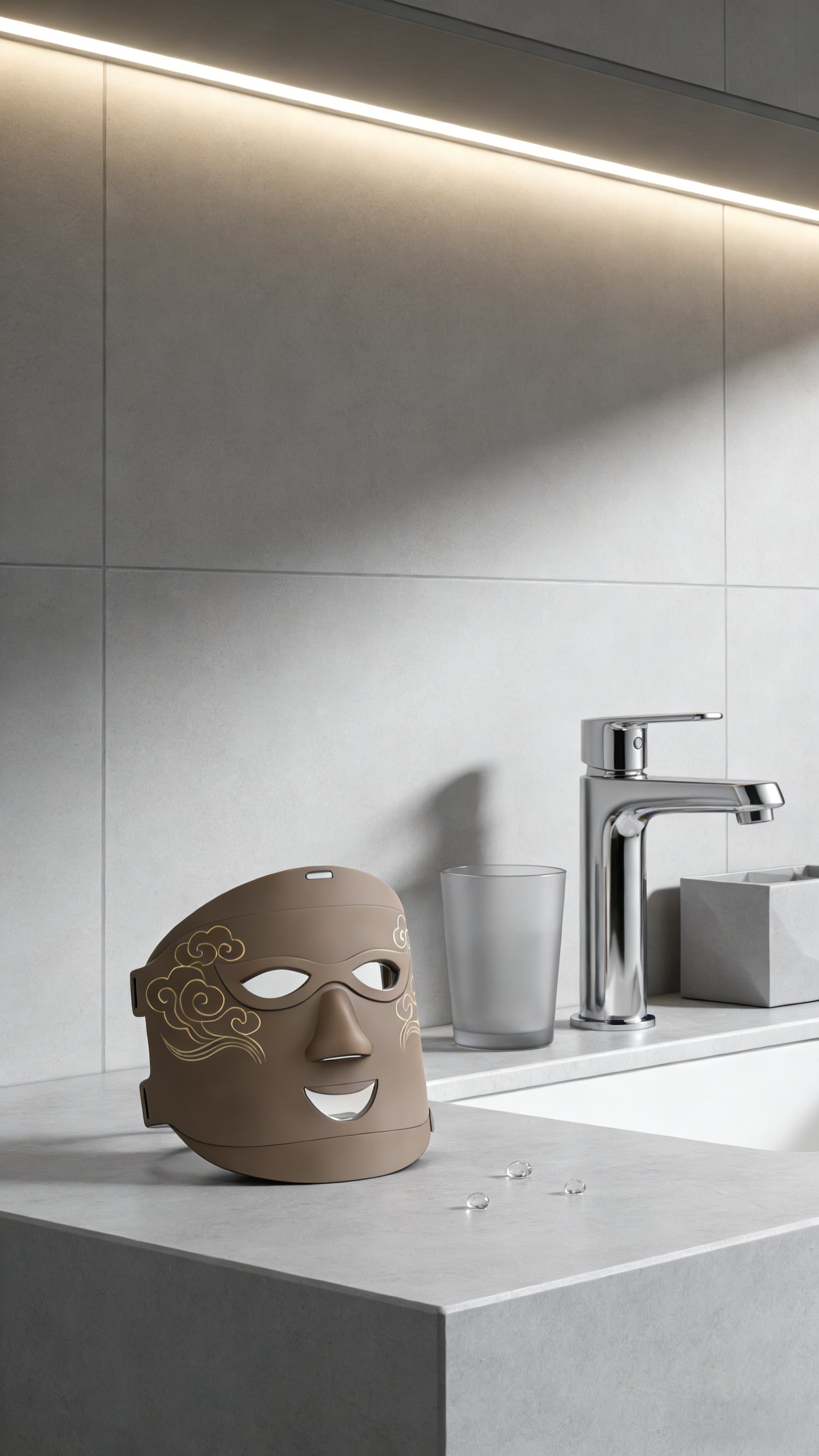
Good beauty equipment is designed to support a consistent routine, but its day-to-day performance depends on small habits between treatments. Residue, moisture, careless charging, and rushed storage can all affect a device long before its expected service life. Whether you use LED, microcurrent, ultrasonic, cleansing, or warming tools at home, a simple maintenance plan protects both the device and the experience of using it.
As a technical adviser focused on home beauty devices, I suggest treating maintenance as part of the treatment routine, not as an afterthought. The right details should come from the manual for your exact model, because materials, water resistance, and accessory instructions vary. These five practices are a useful starting point.
Skin-care residue can dry on treatment heads, silicone surfaces, metal contacts, and attachments. Leaving it there may make the next session less pleasant and can make a device harder to inspect. After switching the unit off and disconnecting it from power, remove visible gel, serum, or oil with the cleaning method stated in the product manual. For many devices, a soft dry or lightly damp lint-free cloth is appropriate; the manual is the deciding source.
A common mistake is reaching for a strong cleaner because it feels more thorough. Not quite: aggressive liquids can damage finishes, seals, or printed markings. One published home-device manual specifically warns against solvents such as alcohol, thinner, benzene, nail-polish remover, kerosene, chemicals, and polishing powder. Do not generalize that list to every model; use it as a reminder to check your own instructions before changing a cleaning product.
Charging ports and magnetic terminals deserve a quick inspection before every charge. Wipe away lotion, conductive gel, and moisture, then allow the area to dry completely. This is especially important for devices used near a sink or immediately after a skin-care step. A clean, dry connection helps the cable sit correctly and makes it easier to spot debris or discoloration early.
Use the cable and adapter specified by the manufacturer whenever possible. Avoid charging beauty equipment in a humid bathroom, on a wet countertop, or under bedding where heat can build up. If a port looks corroded, loose, or unusually warm, stop charging and contact the brand’s support channel rather than trying to scrape or repair it yourself.
Heads, rings, brushes, caps, and other beauty device accessories often wear faster than the main unit because they come into direct contact with skin, water, or product. Detach only the parts the instructions say are removable. Clean each piece using its approved method, let it dry fully, and refit it carefully without forcing the connection.
Set a recurring reminder to inspect accessories for cracks, distorted bristles, torn seals, or weakened clips. Replace only with approved components for the model. A near-match may look convenient, but the fit, material, or electrical contact may be different. Keep small pieces in the supplied case or a clean, dry container so they are not lost or contaminated in a drawer.
After cleaning, give the device time to air-dry before putting it away. Moisture trapped in a pouch or closed cabinet can create avoidable problems. Choose a stable storage spot away from direct sun, high heat, splashes, and sharp items that can damage the housing or cable. The original case is useful when it keeps the device from rolling around; otherwise, a clean drawer organizer works well.
Do not wrap a charging cable tightly around the body. Repeated strain near the connector is an easy way to shorten cable life. Instead, coil it loosely and keep it beside the device. If the device will not be used for a while, consult its manual for the recommended battery storage level and recharge interval. Battery guidance is model-specific, so a generic rule is less helpful than the manufacturer’s advice.
Maintenance is easier when it is visible. Before a session, check the housing, controls, treatment surface, cable, and charging point. After a session, clean, dry, and store the unit. Once a month, inspect accessories and make sure the case is free of residue. This takes only a few minutes and gives you a clear record of when a change first appeared.
Pay attention to changes such as reduced charging reliability, a damaged cable sheath, a loose attachment, unusual noise, unexpected heat, or a persistent odor. Do not keep using beauty equipment when a safety-related issue is suspected. Power it down, discontinue use, and follow the troubleshooting or service process in the manual. Trying to fix internal electronics at home can turn a small problem into a larger one.
Beauty equipment benefits from a repeatable care sequence. Keep beauty equipment on a dry surface during use, then clean beauty equipment before product residue sets. When beauty equipment has a detachable treatment head, clean the head according to the manual before returning the beauty equipment to its case. For rechargeable beauty equipment, inspect the charging point rather than charging beauty equipment immediately after a wet skin-care routine.
Households with several devices can label each beauty equipment case and keep the relevant manual with it. That makes beauty equipment maintenance easier to follow when more than one person uses the same storage area. Before travel, examine beauty equipment, pack beauty equipment in a protective case, and place cables so they cannot bend sharply. After travel, inspect beauty equipment again before connecting it to power.
For a simple weekly reset, wipe the storage area around beauty equipment, check beauty equipment accessories, and confirm that beauty equipment is fully dry. If you use conductive gel for beauty devices, remove it from approved surfaces promptly and keep conductive gel for beauty devices away from charging contacts. Store beauty device accessories together, but do not force beauty device accessories onto the main unit. Approved beauty device accessories should be replaced when wear is visible.
These small checks help beauty equipment stay ready for the next session. They also make it easier to tell whether beauty equipment needs professional service rather than more cleaning. A calendar reminder for beauty equipment maintenance is often enough to turn good intentions into a reliable habit.
Long-lasting performance is rarely about a complicated ritual. It comes from cleaning gently, protecting charging contacts, caring for attachments, storing the device well, and responding early to wear. Many people focus only on results from a treatment; in practice, consistent upkeep is what helps a home device remain comfortable and dependable to use. Keep the manual accessible, and let its model-specific directions override any general maintenance tip.

2026/10/30
Discover why in-house mold development helps an RF beauty device manufacturer improve product consistency, iteration speed, tooling control, and production readiness.

2026/10/30
Learn how to verify an RF beauty device manufacturer's R&D and prototyping capabilities using practical engineering workflows and audit checklists.

2026/10/30
Learn what shapes MOQ when choosing an RF beauty device manufacturer and how to plan a lower-risk first order with balanced platform and customization.

2026/10/30
Use this RF beauty device manufacturer evaluation checklist to compare safety evidence, OEM and ODM capability, quality control, and launch readiness.

2026/10/30
See how technology makes beauty at home more guided, consistent, and informed—plus a practical checklist for choosing devices wisely.

2026/10/30
Explore how AI and smart devices shape the future of beauty with responsive routines, clear guidance, trustworthy design, and user-controlled care.

Ideal for daily facial care routines, providing easy-to-use beauty solutions at home.

Perfect for spas and salons’ frequent treatments, enhancing client experiences and results.

Supports dermatologists with advanced devices for professional skin therapy sessions.

Delivers innovative solutions for full-body massage and relaxation with home devices.

Features anti-aging technologies to help reduce wrinkles and stimulate skin vitality.

Specialized devices for safe and effective hair removal suitable for home or clinic use.

Our customers love the Perfect Idea beauty devices. Quality, packaging, and results are all outstanding. We saw increased repeat sales after adding their facial cleansers to our lineup. Their support team is responsive and reliable.

Perfect Idea brings innovation and reliability to home beauty appliances. Our collaboration introduced their massage tools to Japanese women, boosting customer satisfaction and growing our brand trust across the region.

We partnered with Shenzhen Perfect Idea Tech for their beauty equipment. The shipping was fast and every product matched our expectations. Their home-use massagers are especially popular with local salons and home users.

The stylish packaging and attractive design make Perfect Idea stand out. French consumers appreciate the easy instructions and visible results. Communication was efficient and orders always arrived on time.

Perfect Idea home use personal care devices have become a favorite with our clients. The beauty device line offers quality at a reasonable price, and technical training for our staff made onboarding easy.

We selected Perfect Idea for our beauty product portfolio and have seen very positive feedback from our customers. Products are easy to market online and the customer support is reliable and helpful.
