 EN
Home Skincare
Ideal for daily facial care routines, providing easy-to-use beauty solutions at home.

2026/09/24
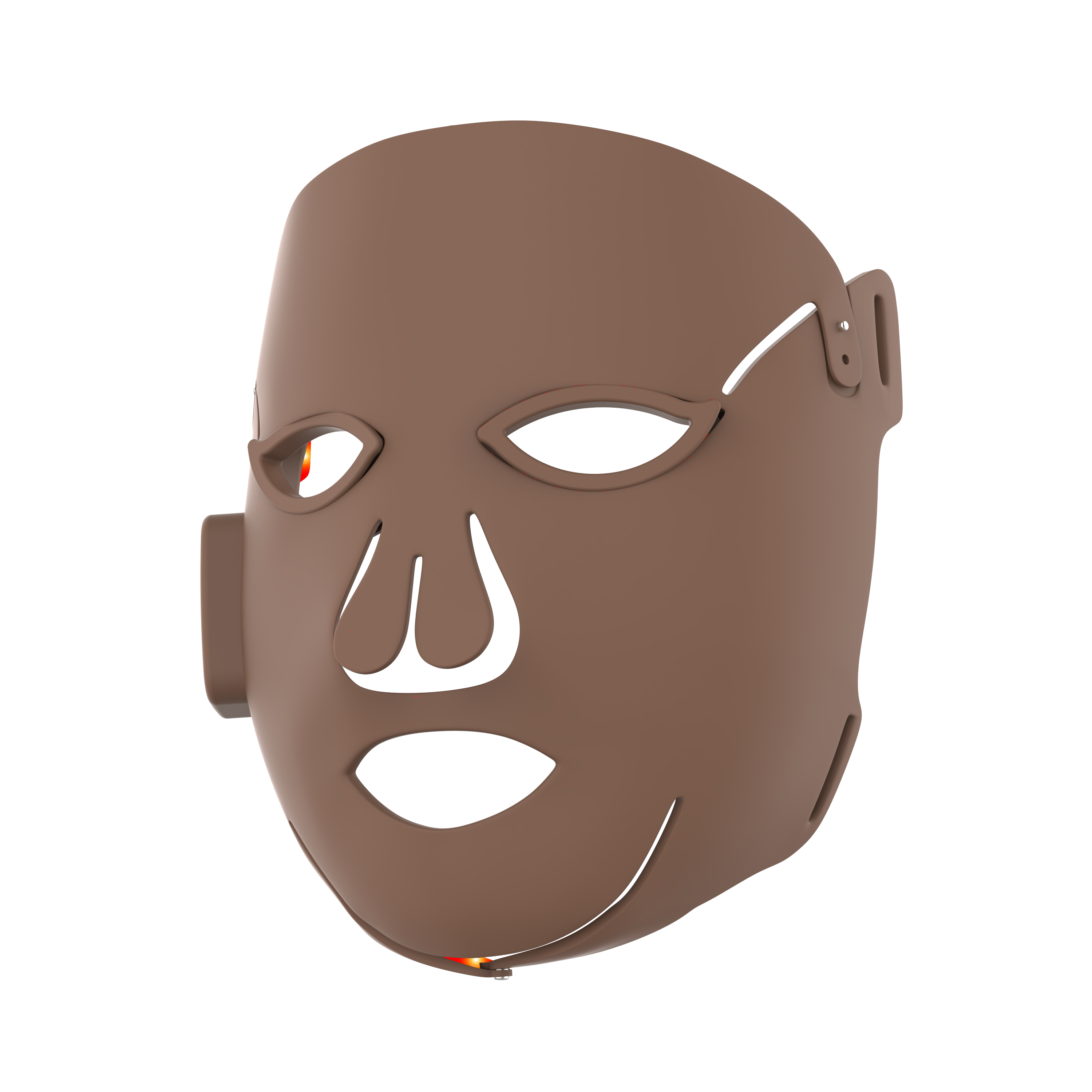
LED light therapy has moved from a spa-adjacent trend into a useful, noninvasive adjunct in modern dermatology. The important word is adjunct: LED light therapy can support selected treatment plans, but it does not replace diagnosis, prescription care, lesion examination, or a clinician-led procedure when those are indicated. As a beauty-device technical adviser, I look first at the skin concern, the intended wavelength range, the delivery protocol, and the evidence boundary—not at a color name on a package.
For brands developing a home-use device, that distinction matters. The most credible LED light therapy communication explains a realistic application, who may be a suitable candidate, and when a dermatology referral is the safer next step. Here are five applications that show how LED light therapy fits into contemporary skin-care conversations.
Acne is one of the most commonly discussed applications for LED light therapy. Blue-light protocols are commonly discussed for their interaction with porphyrins associated with Cutibacterium acnes, while red light is often used in combined protocols because it may support an anti-inflammatory approach. In published acne studies, blue light has commonly appeared in roughly the 405–450 nm range, although the dose, schedule, device design, and patient population differ substantially.
That variation is why LED light therapy should be described as a support option rather than a cure. It may be considered for mild inflammatory acne, especially for people seeking a non-drug complement to a clinician’s routine. Cystic acne, scarring risk, pregnancy-related medication questions, sudden severe flares, or persistent acne still call for professional assessment. A responsible LED light therapy protocol also considers irritation, photosensitizing medicines, and adherence to the device’s eye-safety instructions.
Red and near-infrared ranges are frequently included in LED light therapy programs aimed at visible signs of photoaging, such as fine lines, uneven-looking texture, and loss of radiance. The clinical rationale is photobiomodulation: light is delivered at nonthermal levels with the goal of influencing cellular signaling associated with skin appearance. This is not the same as resurfacing, injectables, or surgery, so expectations should be deliberately modest.
For a person with generally stable skin who wants gradual cosmetic support, LED light therapy may fit alongside sunscreen, a well-tolerated topical routine, and professional advice. If the skin is actively peeling, unusually sensitive, or reacting to a new active ingredient, it is prudent to pause and reassess rather than assume more LED light therapy is helpful. Consistency matters more than a single intensive session.
Another practical use of LED light therapy is as part of a recovery-focused routine for skin that looks temporarily red or stressed. Red wavelengths are often selected in this context because they are associated with a calming, nonablative treatment experience. The purpose is supportive comfort and appearance management, not a claim to treat every cause of erythema.
This boundary matters because redness can arise from many conditions, including irritation, dermatitis, rosacea, infection, or a reaction to a procedure. LED light therapy is not a diagnostic tool. In a professional setting, a clinician can decide whether light is appropriate after peels, extractions, or other care. In a home setting, new, painful, spreading, or persistent redness is a reason to stop self-treatment and seek advice.
Modern dermatology also uses light in clinician-led photodynamic therapy (PDT). In PDT for conditions such as actinic keratosis, a topical photosensitizing medicine is applied and then activated with a prescribed light source. That is a medical procedure with patient selection, preparation, timing, and follow-up; it is not interchangeable with an ordinary LED light therapy mask.
Explaining this distinction is one of the most useful applications of LED light therapy education. A consumer may hear that “light treats sun damage” and assume any home device addresses a precancerous lesion. It does not. A changing, bleeding, crusted, or suspicious lesion needs clinical examination. LED light therapy can occupy the consumer-wellness side of a broader skin-care routine, while PDT remains a separate, medical pathway.
The fifth application is maintenance. When a dermatologist has already defined the concern and treatment plan, LED light therapy can sometimes be used as a low-burden, noninvasive addition between visits. For example, a person managing mild acne may use LED light therapy consistently while following a prescribed topical plan, rather than treating a device as a stand-alone replacement for all care.
For device brands, this is where careful positioning pays off. LED light therapy should be designed and communicated around repeatable routines, clear contraindication language, and user comfort. Many people initially assume a higher-priced device automatically produces better results. In practice, the fit between the user’s concern, a consistent schedule, and the broader care plan is often more important. That framing helps reduce exaggerated claims and supports better long-term use.
For OEM and ODM buyers, a credible LED light therapy product brief goes beyond a multi-color feature list. It should define the intended cosmetic or wellness use, the target user, instructions, eye protection approach, comfort considerations, and claims substantiation plan. BEPERFECT serves brands in home beauty devices and personal-care appliances, so the most useful development conversation begins with a precise use case rather than an all-purpose promise.
LED light therapy has meaningful potential when the application is narrow, the language is careful, and the user knows when to consult a dermatologist. That is the standard modern dermatology should encourage: evidence-aware support, not overreach.

2026/10/30
Discover why in-house mold development helps an RF beauty device manufacturer improve product consistency, iteration speed, tooling control, and production readiness.

2026/10/30
Learn how to verify an RF beauty device manufacturer's R&D and prototyping capabilities using practical engineering workflows and audit checklists.

2026/10/30
Learn what shapes MOQ when choosing an RF beauty device manufacturer and how to plan a lower-risk first order with balanced platform and customization.

2026/10/30
Use this RF beauty device manufacturer evaluation checklist to compare safety evidence, OEM and ODM capability, quality control, and launch readiness.

2026/10/30
See how technology makes beauty at home more guided, consistent, and informed—plus a practical checklist for choosing devices wisely.

2026/10/30
Explore how AI and smart devices shape the future of beauty with responsive routines, clear guidance, trustworthy design, and user-controlled care.

Ideal for daily facial care routines, providing easy-to-use beauty solutions at home.

Perfect for spas and salons’ frequent treatments, enhancing client experiences and results.

Supports dermatologists with advanced devices for professional skin therapy sessions.

Delivers innovative solutions for full-body massage and relaxation with home devices.

Features anti-aging technologies to help reduce wrinkles and stimulate skin vitality.

Specialized devices for safe and effective hair removal suitable for home or clinic use.

Our customers love the Perfect Idea beauty devices. Quality, packaging, and results are all outstanding. We saw increased repeat sales after adding their facial cleansers to our lineup. Their support team is responsive and reliable.

Perfect Idea brings innovation and reliability to home beauty appliances. Our collaboration introduced their massage tools to Japanese women, boosting customer satisfaction and growing our brand trust across the region.

We partnered with Shenzhen Perfect Idea Tech for their beauty equipment. The shipping was fast and every product matched our expectations. Their home-use massagers are especially popular with local salons and home users.

The stylish packaging and attractive design make Perfect Idea stand out. French consumers appreciate the easy instructions and visible results. Communication was efficient and orders always arrived on time.

Perfect Idea home use personal care devices have become a favorite with our clients. The beauty device line offers quality at a reasonable price, and technical training for our staff made onboarding easy.

We selected Perfect Idea for our beauty product portfolio and have seen very positive feedback from our customers. Products are easy to market online and the customer support is reliable and helpful.
