 EN
Home Skincare
Ideal for daily facial care routines, providing easy-to-use beauty solutions at home.

2026/09/25
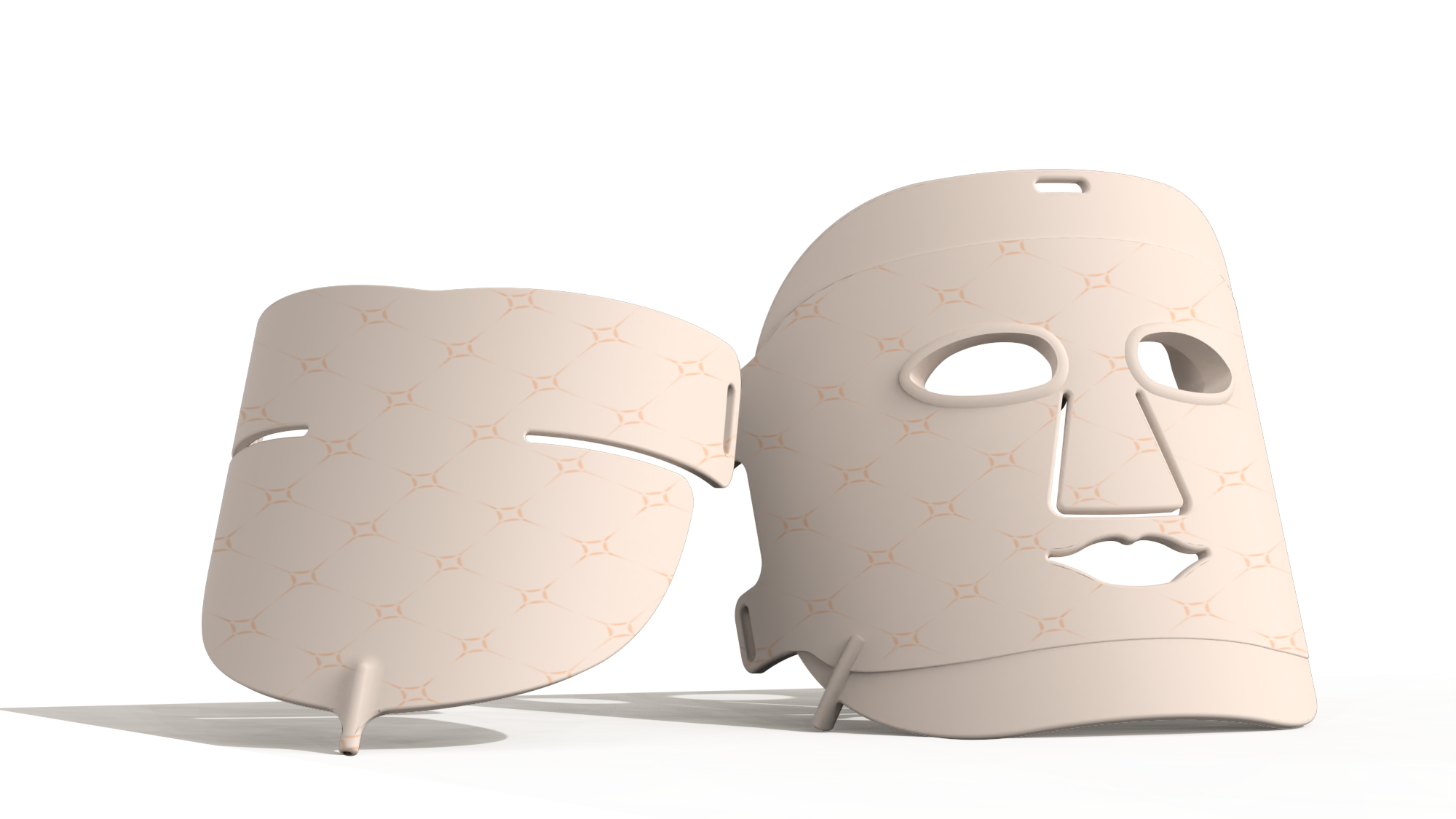
LED light therapy is now a familiar part of the aesthetic conversation, but the useful question is not whether every light color has a miracle benefit. It is whether a defined wavelength, dose, treatment schedule, and patient selection fit a clear clinical or cosmetic goal. From a skin-management perspective, that distinction matters: LED systems are non-thermal photobiomodulation tools, not a substitute for diagnosis, prescription treatment, or invasive procedures.
In modern aesthetic medicine, LED light therapy is most credible when it supports a targeted care plan. The five applications below explain where it is commonly considered, what the evidence is trying to address, and where responsible communication should stop.
“Red,” “blue,” and “near-infrared” are broad labels, not protocols. Published studies commonly examine blue light around 415 nm for acne-related pathways and red light around 630–660 nm for other skin-focused photobiomodulation uses. A device’s irradiance, treatment time, distance from the skin, heat management, and eye protection also change the practical result. For that reason, a well-designed LED light therapy program starts with the indication rather than a color chart.
Blue and red LED combinations are frequently discussed for mild-to-moderate inflammatory acne. Blue wavelengths can interact with porphyrins associated with C. acnes, while red light is often used in protocols intended to support a calmer-looking complexion. A 415 nm/633 nm wearable-mask study is one example of this combined-wavelength approach; it does not prove that every blue-and-red mask will produce the same outcome.
In practice, LED light therapy may be positioned as an adjunct to a clinician-led acne plan, especially for people who want a non-invasive option between visits. It should not be presented as a cure for acne, and persistent, cystic, painful, or scarring acne needs medical assessment. Blue light also deserves careful use on sensitive skin, and all users should follow the manufacturer’s eye-safety instructions.
Red and near-infrared photobiomodulation are widely explored for skin-rejuvenation routines focused on the appearance of fine lines, uneven-looking texture, and overall radiance. The plausible value is gradual support for a consistent skincare regimen rather than an overnight lifting effect. Many users confuse a temporary post-treatment glow with long-term remodeling; those are not the same thing.
For aesthetic teams, the practical application is usually maintenance. LED light therapy can be scheduled alongside gentle skincare, sun protection, and appropriately selected professional treatments. Expectations should remain modest: results vary with baseline skin condition, adherence, device output, and the rest of the regimen. It is not a replacement for procedures that target deeper structural changes.
After certain non-ablative aesthetic procedures, clinicians may consider LED light therapy as a comfort-oriented adjunct when it is appropriate for the patient and the procedure. The goal is typically to support a calm recovery experience and a well-managed routine, not to promise wound healing or zero downtime. Timing, skin integrity, medication use, and the procedure performed all matter.
This application is a good example of why protocols should be supervised. A patient with unusual redness, increasing pain, blistering, or signs of infection needs clinical review rather than more device sessions. Responsible post-procedure communication should clearly state when to pause light treatment and contact the treating professional.
Some aesthetic practices use red or selected amber-range light as a soothing adjunct for skin that appears temporarily red or reactive. The wording here is deliberate. Redness can have many causes, including irritation, inflammatory conditions, vascular concerns, and incompatible skincare. LED light therapy is not a diagnosis and should not be marketed as a treatment for a medical condition without the evidence and regulatory pathway to support that claim.
The safest approach is to begin with conservative settings, observe the skin response, and avoid stacking multiple new actives, exfoliants, or energy-based procedures at the same time. If a client reports persistent flushing or sensitivity, the next step is assessment—not simply increasing treatment frequency.
Red-light and near-infrared devices are also discussed in hair and scalp programs. This is a developing category with distinct protocols, device geometry, and regulatory considerations; facial-mask assumptions cannot be transferred to a scalp device. Aesthetic providers should distinguish cosmetic scalp wellness messaging from medical claims about hair-loss conditions.
For brands developing this category, consistent coverage of the scalp, comfortable fit, realistic session length, and clear contraindication guidance are often more useful design questions than adding extra light modes. Long-term adherence matters, but higher output or more frequent use is not automatically better. Device instructions and professional advice set the appropriate schedule.
For brands evaluating a home beauty device program, BEPERFECT can support OEM/ODM development across product function, industrial design, and packaging direction. The responsible brief is application-led: agree on the intended cosmetic positioning, target-market compliance plan, user instructions, and quality checkpoints before a launch claim is written. That helps a brand avoid the common mistake of treating a complex LED light therapy category as a generic “all colors, all benefits” product.
Modern LED light therapy has useful aesthetic applications when its use is specific, conservative, and evidence-aware. Acne support, photoaging maintenance, post-procedure comfort, redness-prone skin routines, and scalp wellness each require different decisions about light, protocol, safety, and claims. A sound outcome is not the most dramatic promise; it is a device and routine that a suitable user can follow consistently within clear clinical and cosmetic boundaries.

2026/10/30
Discover why in-house mold development helps an RF beauty device manufacturer improve product consistency, iteration speed, tooling control, and production readiness.

2026/10/30
Learn how to verify an RF beauty device manufacturer's R&D and prototyping capabilities using practical engineering workflows and audit checklists.

2026/10/30
Learn what shapes MOQ when choosing an RF beauty device manufacturer and how to plan a lower-risk first order with balanced platform and customization.

2026/10/30
Use this RF beauty device manufacturer evaluation checklist to compare safety evidence, OEM and ODM capability, quality control, and launch readiness.

2026/10/30
See how technology makes beauty at home more guided, consistent, and informed—plus a practical checklist for choosing devices wisely.

2026/10/30
Explore how AI and smart devices shape the future of beauty with responsive routines, clear guidance, trustworthy design, and user-controlled care.

Ideal for daily facial care routines, providing easy-to-use beauty solutions at home.

Perfect for spas and salons’ frequent treatments, enhancing client experiences and results.

Supports dermatologists with advanced devices for professional skin therapy sessions.

Delivers innovative solutions for full-body massage and relaxation with home devices.

Features anti-aging technologies to help reduce wrinkles and stimulate skin vitality.

Specialized devices for safe and effective hair removal suitable for home or clinic use.

Our customers love the Perfect Idea beauty devices. Quality, packaging, and results are all outstanding. We saw increased repeat sales after adding their facial cleansers to our lineup. Their support team is responsive and reliable.

Perfect Idea brings innovation and reliability to home beauty appliances. Our collaboration introduced their massage tools to Japanese women, boosting customer satisfaction and growing our brand trust across the region.

We partnered with Shenzhen Perfect Idea Tech for their beauty equipment. The shipping was fast and every product matched our expectations. Their home-use massagers are especially popular with local salons and home users.

The stylish packaging and attractive design make Perfect Idea stand out. French consumers appreciate the easy instructions and visible results. Communication was efficient and orders always arrived on time.

Perfect Idea home use personal care devices have become a favorite with our clients. The beauty device line offers quality at a reasonable price, and technical training for our staff made onboarding easy.

We selected Perfect Idea for our beauty product portfolio and have seen very positive feedback from our customers. Products are easy to market online and the customer support is reliable and helpful.
