 EN
Home Skincare
Ideal for daily facial care routines, providing easy-to-use beauty solutions at home.

2026/10/07
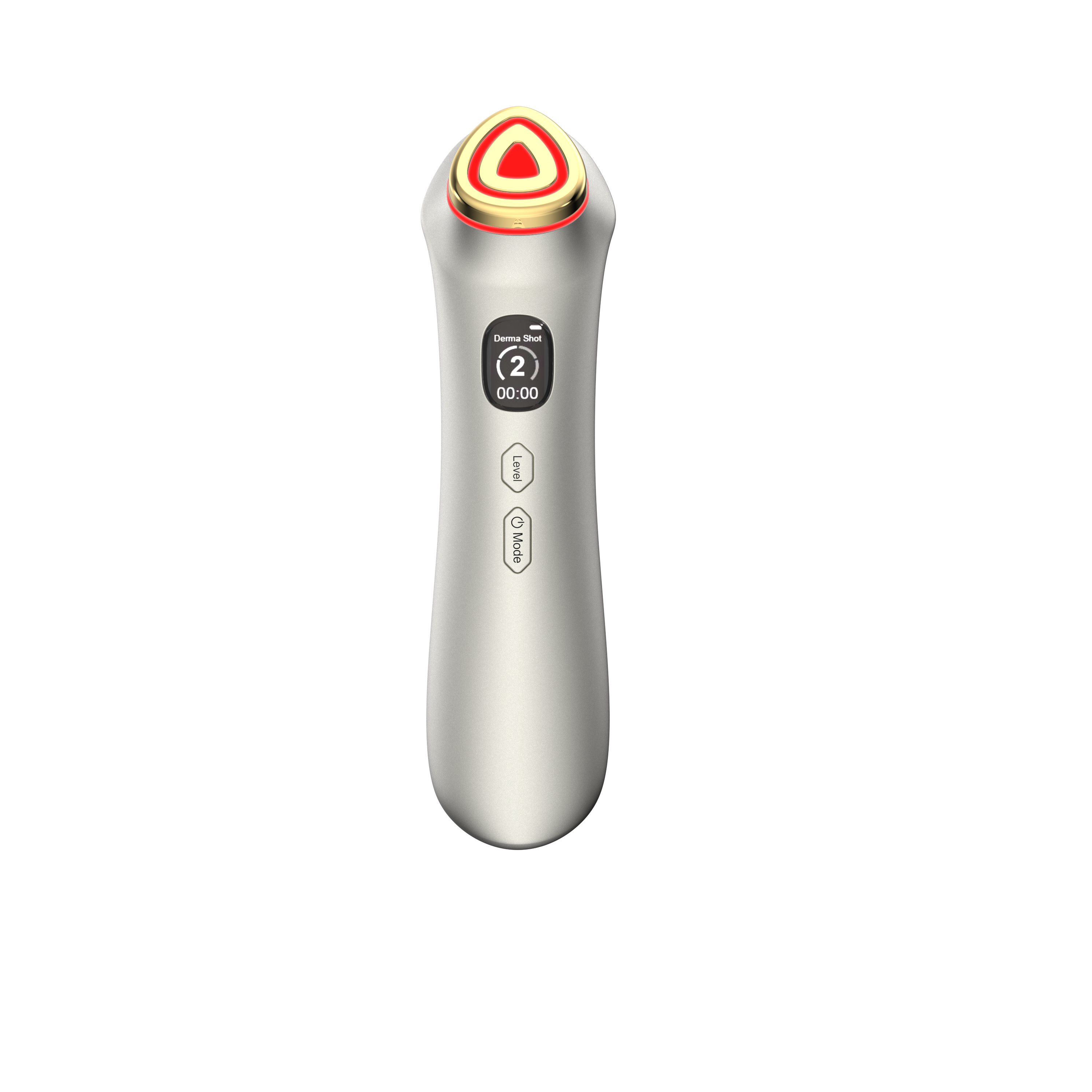
For a beauty-device buyer, a collagen RF treatment device should be assessed as a controlled energy-delivery system, not as a collection of impressive-sounding settings. Radiofrequency (RF) works by producing heat in tissue; the practical question is whether a device can deliver that experience consistently, comfortably, and within an appropriate use protocol. That distinction matters for brands building a long-term skin-firming category, where repeat use, user confidence, and clear operating guidance matter as much as a headline feature.
Published clinical discussions of RF skin tightening link dermal heating with collagen remodeling, while describing gradual changes rather than an instant outcome that can be promised. For that reason, a strong collagen RF treatment device specification should prioritize repeatability and sensible treatment control. The five features below give procurement and product teams a practical way to compare options without turning technical claims into promises.
During a sample review, have the team operate the collagen RF treatment device across the planned zones and record how feedback changes when contact or movement changes.
A capable collagen RF treatment device needs a credible way to manage the treatment experience as skin conditions change. Depending on the design, that can include temperature sensing, contact sensing, output modulation, timed pauses, or user-facing feedback. The exact implementation varies, but the buyer’s goal is the same: reduce the gap between a selected setting and the energy actually experienced at the skin surface.
Look beyond a single maximum-temperature claim. Ask how the device responds to imperfect contact, changing treatment speed, or a user who lingers in one area. A well-designed collagen RF treatment device should make its safeguards understandable in manuals, training materials, and firmware documentation. For professional channels, teams should also confirm how the product’s intended use, local rules, and operator training affect the protocol.
A buyer should be able to translate each control on the collagen RF treatment device into a written protocol that a trained operator can follow without improvising.
More settings do not automatically make a better collagen RF treatment device. What matters is a sensible progression that lets an operator or end user select an appropriate level, follow a defined treatment duration, and repeat that plan reliably. Clear levels, automatic session timing, and prompts for area changes can turn a broad feature list into a usable routine.
When reviewing samples, test whether the controls are intelligible without constant reference to a sales sheet. A collagen RF treatment device should communicate which settings pair with which use conditions and when treatment should stop. Avoid treating procedure-specific numbers from clinical or invasive RF systems as home-use targets: those systems have different devices, supervision, and risk profiles.
Include the applicator in usability trials, because the handling of a collagen RF treatment device affects whether the approved protocol can be followed in practice.
Consistent coupling between the applicator and skin is central to the real-world experience of a collagen RF treatment device. Evaluate the treatment head for flatness or contour fit, edge transitions, glide with the recommended medium, and whether its size fits the intended facial zones. A head that skips, catches, or loses contact can make an otherwise promising device difficult to use consistently.
For private-label planning, request evidence of how the handpiece performs through repeated cleaning and normal handling. This is also where design choices affect onboarding: a collagen RF treatment device with an ergonomic grip and clear treatment-zone guidance can reduce avoidable variation across users. Do not infer depth, efficacy, or safety from the shape of a head alone; ask for test documentation tied to the finished configuration.
For launch teams, the device, quick-start guide, and training content should describe the same collagen RF treatment device routine rather than leaving timing to guesswork.
Long-term firming programs depend on consistency, so a collagen RF treatment device should help people use it in a measured way. Useful guidance may include treatment-zone sequencing, timer cues, reminders about conductive gel where applicable, and aftercare directions. These features are not cosmetic extras: they help turn a technically sound device into a repeatable consumer or clinic workflow.
Review the instructions as carefully as the hardware. They should explain intended users, contraindications, skin-preparation steps, frequency limits, and when to seek professional advice. A responsible collagen RF treatment device positioning statement avoids “permanent,” “risk-free,” or instant-lift claims. Results can vary with skin condition, technique, treatment plan, and the product’s approved intended use.
Traceability should cover the final collagen RF treatment device configuration that will be sold, including approved component and labeling changes.
For a B2B buyer, the fifth feature may not be visible on the device: it is the supplier’s ability to support a controlled product lifecycle. A collagen RF treatment device program is easier to manage when the supplier can document incoming-material checks, functional testing, batch identification, change control, and the final user instructions. These records help a brand review samples, clarify requirements, and maintain a more consistent launch standard.
The merchant profile for Shenzhen Perfect Idea Tech. Co., Ltd. describes OEM and ODM support across home beauty-device categories and a standardized quality-control process. Those capabilities are relevant starting points for a brand discussion, but each RF project should still confirm the final design, applicable market requirements, test scope, labeling, and claims before launch. Ask suppliers what is included in customization, which validation records can be reviewed, and how changes are controlled after a sample is approved.
A collagen RF treatment device may be a useful part of a skin-care routine or a professional treatment offering, but it is not interchangeable with RF microneedling. The U.S. FDA has warned of serious complications reported with certain uses of RF microneedling and states that such procedures are medical procedures rather than at-home cosmetic treatments. Product pages and training must keep those categories separate and should follow the regulatory requirements of the target market.
In short, long-term skin-firming programs are better evaluated through a collagen RF treatment device that combines monitored delivery, sensible adjustment, stable contact, guided use, and supplier documentation. Evaluate the whole system, not just wattage or marketing language, and build claims around evidence and the intended use that can be substantiated.

2026/10/30
Discover why in-house mold development helps an RF beauty device manufacturer improve product consistency, iteration speed, tooling control, and production readiness.

2026/10/30
Learn how to verify an RF beauty device manufacturer's R&D and prototyping capabilities using practical engineering workflows and audit checklists.

2026/10/30
Learn what shapes MOQ when choosing an RF beauty device manufacturer and how to plan a lower-risk first order with balanced platform and customization.

2026/10/30
Use this RF beauty device manufacturer evaluation checklist to compare safety evidence, OEM and ODM capability, quality control, and launch readiness.

2026/10/30
See how technology makes beauty at home more guided, consistent, and informed—plus a practical checklist for choosing devices wisely.

2026/10/30
Explore how AI and smart devices shape the future of beauty with responsive routines, clear guidance, trustworthy design, and user-controlled care.

Ideal for daily facial care routines, providing easy-to-use beauty solutions at home.

Perfect for spas and salons’ frequent treatments, enhancing client experiences and results.

Supports dermatologists with advanced devices for professional skin therapy sessions.

Delivers innovative solutions for full-body massage and relaxation with home devices.

Features anti-aging technologies to help reduce wrinkles and stimulate skin vitality.

Specialized devices for safe and effective hair removal suitable for home or clinic use.

Our customers love the Perfect Idea beauty devices. Quality, packaging, and results are all outstanding. We saw increased repeat sales after adding their facial cleansers to our lineup. Their support team is responsive and reliable.

Perfect Idea brings innovation and reliability to home beauty appliances. Our collaboration introduced their massage tools to Japanese women, boosting customer satisfaction and growing our brand trust across the region.

We partnered with Shenzhen Perfect Idea Tech for their beauty equipment. The shipping was fast and every product matched our expectations. Their home-use massagers are especially popular with local salons and home users.

The stylish packaging and attractive design make Perfect Idea stand out. French consumers appreciate the easy instructions and visible results. Communication was efficient and orders always arrived on time.

Perfect Idea home use personal care devices have become a favorite with our clients. The beauty device line offers quality at a reasonable price, and technical training for our staff made onboarding easy.

We selected Perfect Idea for our beauty product portfolio and have seen very positive feedback from our customers. Products are easy to market online and the customer support is reliable and helpful.
