 EN
Home Skincare
Ideal for daily facial care routines, providing easy-to-use beauty solutions at home.

2026/09/14
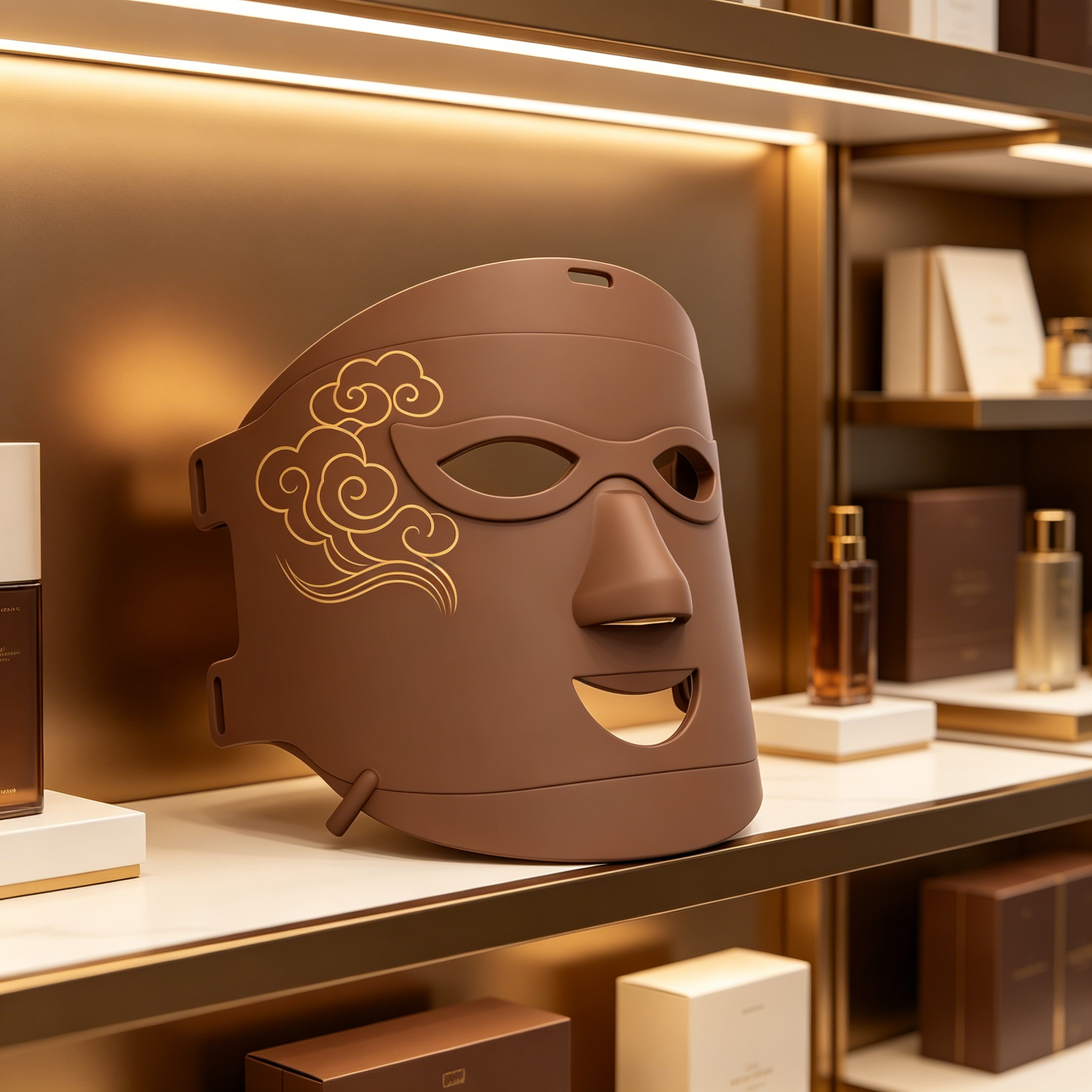
If you've been researching home-use phototherapy for acne, you've probably noticed that not every blue light acne device performs the same way. The market is growing fast, and the options range from basic single-LED wands to multi-wavelength LED masks with clinical-grade specifications. For anyone dealing with mild to moderate breakouts, the difference between devices isn't immediately obvious from the product description alone — and that gap matters quite a bit when you're deciding whether light therapy is worth adding to your routine.
After looking at the published clinical data and the way leading devices are currently designed, five features stand out as genuinely important for this severity range. Here's what to look for.
The first thing worth checking on any blue light acne treatment device is the exact wavelength it emits. This isn't just a specification box to tick — it's the core of how the technology works. Blue light in the 414–415nm range has been shown in peer-reviewed research to generate reactive oxygen species that target bacterial porphyrins in Cutibacterium acnes (formerly P. acnes), the bacteria primarily responsible for inflammatory acne lesions.
A 2009 clinical study published in a peer-reviewed journal found that daily self-treatment using a 414nm device reduced total acne lesions by 22.8% at Day 7 and by 39.1% at Day 28 in subjects with mild-to-moderate inflammatory acne — both statistically significant results. Devices that don't specify a wavelength, or those operating outside the 410–430nm therapeutic window, are less likely to replicate these outcomes reliably.
When evaluating a blue light acne device, look for a clearly stated LED wavelength in the product specification, ideally with a reference to clinical testing or regulatory clearance based on that wavelength.
One concern that comes up consistently among first-time users is whether blue light therapy carries the same risks as UV exposure. It's a reasonable question, and the answer is worth understanding clearly. The blue light used in acne light therapy devices operates in the visible light spectrum — typically 405–430nm — which is distinct from UVA and UVB wavelengths. Non-UV blue light does not carry the DNA-damaging and carcinogenic risks associated with ultraviolet radiation.
That said, not all products make this distinction prominently. A well-designed device will explicitly indicate that it operates on non-UV visible blue light, and ideally will include eye protection recommendations for users who treat areas near the eye contour. For mild to moderate acne, the treatment zones often include the forehead, cheeks, and chin — all areas close to the eyes. A quality blue light acne device should address this in its usage guidelines.
For mild to moderate acne that affects multiple facial zones simultaneously, a device that treats only a small spot at a time creates a practical problem: total session time multiplies as you work across different areas. This is where treatment coverage area starts to matter more.
Panel-style or mask-format led light therapy devices — those that cover larger portions of the face in a single session — are generally more efficient for diffuse mild acne. Handheld spot devices tend to be better suited for targeting isolated breakouts or moderate acne concentrated in specific zones. Neither format is inherently superior; the right choice depends on your acne distribution pattern.
Ergonomic design factors including device weight, session duration requirements, and whether the device can be used hands-free also affect real-world compliance. Devices that require manual holding for 10–20 minutes per session tend to see lower usage consistency than mask formats or clip-on designs, which can affect long-term results.
Research increasingly supports the use of combined blue (415nm) and red (633nm) light for acne treatment, rather than blue light alone. A 7-week open-label clinical study found that a device simultaneously emitting both wavelengths resulted in 86% of patients achieving at least a one-grade IGA (Investigator's Global Assessment) improvement, with statistically significant reductions in both inflammatory and noninflammatory lesion counts (p<0.0001).
What makes this combination work: blue light targets C. acnes bacteria at the skin surface, while red light penetrates deeper to reach sebaceous glands, where it can reduce lipid production and modulate inflammatory cytokine activity. For mild to moderate acne — which often involves both bacterial proliferation and sebaceous gland overactivity — a dual-wavelength acne light therapy device addresses both drivers simultaneously rather than just one.
If the device you're considering only offers blue light, it's still a valid option for bacterial-driven acne. However, if your breakouts include persistent congestion or post-inflammatory redness, a combined red-blue option is worth considering.
For home-use phototherapy devices targeting acne, regulatory clearance isn't a formality — it's meaningful evidence that the device has been reviewed for both safety and efficacy claims. In the United States, FDA 510(k) clearance or De Novo classification for an acne light therapy device means the device has undergone comparative review against established devices of the same type. In European markets, CE marking confirms the device meets health and safety standards under relevant EU directives.
For mild to moderate acne, there are now several FDA-cleared at-home blue light acne treatment devices available, which sets a meaningful quality baseline. When a device lacks any regulatory clearance documentation, or only carries general electronics certifications (like FCC or RoHS) without a specific medical device clearance, it's worth asking why — especially for a device intended for skin treatment.
Look for the specific indication in the clearance: a device cleared for acne or inflammatory acne treatment is more directly relevant than one cleared for general light therapy or skin wellness.
The home-use blue light acne device category has matured considerably over the past several years, and there are now clinically sound options available at a range of price points. For mild to moderate acne, the five features above — validated wavelength, non-UV safety, coverage design, combination light capability, and regulatory clearance — provide a framework for separating devices that are genuinely built for therapeutic acne treatment from those that are primarily cosmetic light products.
If you're evaluating options from a sourcing or brand development perspective, these same criteria translate directly into the technical specifications and compliance documentation that distinguish market-ready products from baseline LED devices. The clinical evidence base for 415nm blue light therapy in mild-to-moderate acne is established; the question is whether a given device is actually designed to deliver it consistently and safely.

2026/10/30
Discover why in-house mold development helps an RF beauty device manufacturer improve product consistency, iteration speed, tooling control, and production readiness.

2026/10/30
Learn how to verify an RF beauty device manufacturer's R&D and prototyping capabilities using practical engineering workflows and audit checklists.

2026/10/30
Learn what shapes MOQ when choosing an RF beauty device manufacturer and how to plan a lower-risk first order with balanced platform and customization.

2026/10/30
Use this RF beauty device manufacturer evaluation checklist to compare safety evidence, OEM and ODM capability, quality control, and launch readiness.

2026/10/30
See how technology makes beauty at home more guided, consistent, and informed—plus a practical checklist for choosing devices wisely.

2026/10/30
Explore how AI and smart devices shape the future of beauty with responsive routines, clear guidance, trustworthy design, and user-controlled care.

Ideal for daily facial care routines, providing easy-to-use beauty solutions at home.

Perfect for spas and salons’ frequent treatments, enhancing client experiences and results.

Supports dermatologists with advanced devices for professional skin therapy sessions.

Delivers innovative solutions for full-body massage and relaxation with home devices.

Features anti-aging technologies to help reduce wrinkles and stimulate skin vitality.

Specialized devices for safe and effective hair removal suitable for home or clinic use.

Our customers love the Perfect Idea beauty devices. Quality, packaging, and results are all outstanding. We saw increased repeat sales after adding their facial cleansers to our lineup. Their support team is responsive and reliable.

Perfect Idea brings innovation and reliability to home beauty appliances. Our collaboration introduced their massage tools to Japanese women, boosting customer satisfaction and growing our brand trust across the region.

We partnered with Shenzhen Perfect Idea Tech for their beauty equipment. The shipping was fast and every product matched our expectations. Their home-use massagers are especially popular with local salons and home users.

The stylish packaging and attractive design make Perfect Idea stand out. French consumers appreciate the easy instructions and visible results. Communication was efficient and orders always arrived on time.

Perfect Idea home use personal care devices have become a favorite with our clients. The beauty device line offers quality at a reasonable price, and technical training for our staff made onboarding easy.

We selected Perfect Idea for our beauty product portfolio and have seen very positive feedback from our customers. Products are easy to market online and the customer support is reliable and helpful.
