 EN
Home Skincare
Ideal for daily facial care routines, providing easy-to-use beauty solutions at home.

2026/10/19
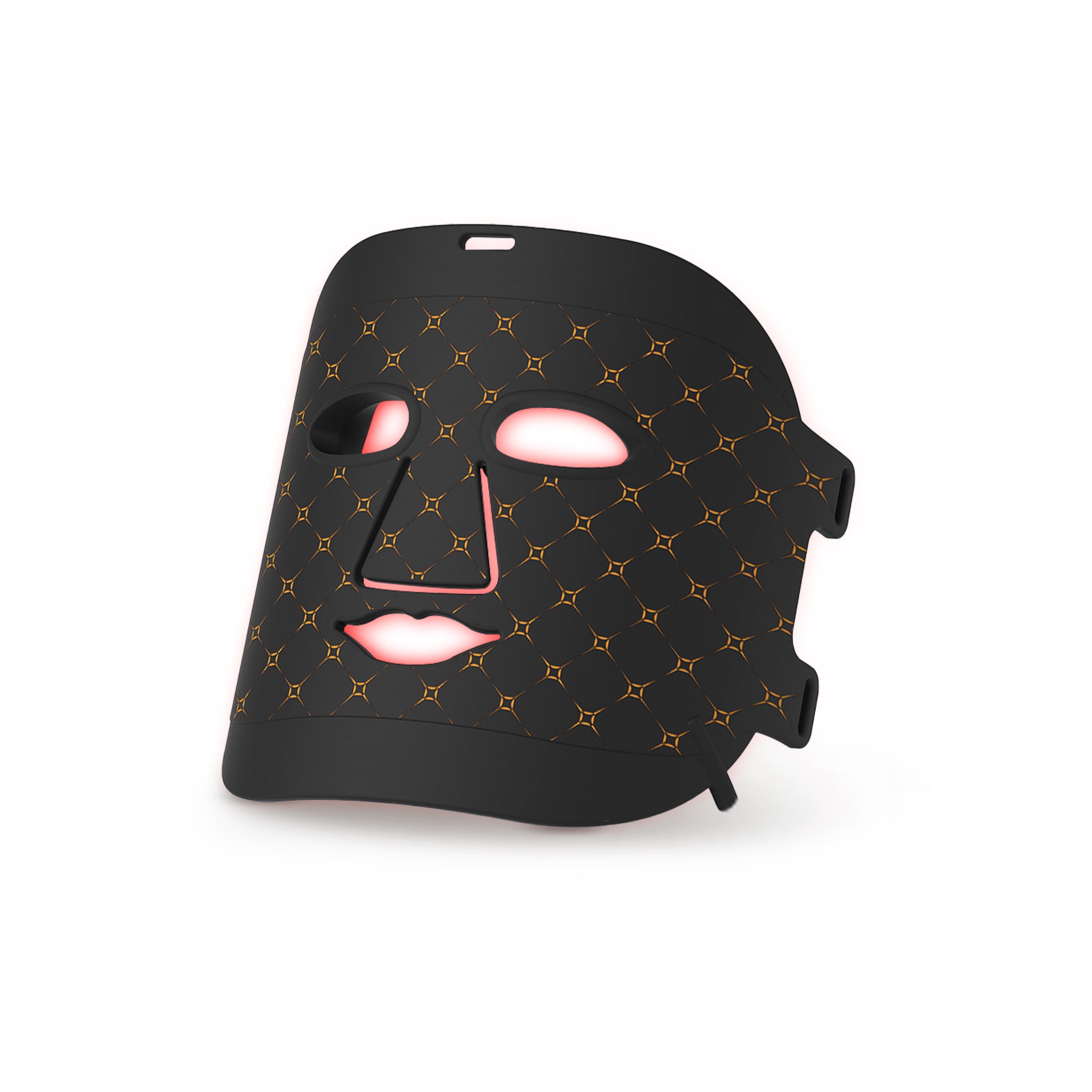
Consumer reviews can make a red light mask look like a simple beauty accessory. For a brand buyer, it is a far more demanding purchase: an electrical, skin-contacting product that needs credible claims, repeatable output, usable industrial design, and a supply chain that can support the market you intend to enter. A sound sourcing brief therefore starts with evidence, not with a feature list.
From an international beauty buyer’s perspective, the decision is rarely owned by one person. Product, sourcing, quality, regulatory, and customer-service teams will each ask different questions about the same device. This checklist helps them work from one shared standard before approving a supplier or a production run.
Before comparing factories, specify the intended customer, target markets, claimed use, retail channel, price position, and launch timing for the red light mask. Define what the product is expected to do in commercial language, then ask the supplier to identify what evidence supports every claim. A “premium” model may need a different comfort standard, packaging experience, warranty plan, and documentation set than a value-led model.
Ask your internal team one useful question: which trade-off matters most—broad feature coverage, wearability, speed to market, or a differentiated brand story? More modes do not automatically make a better device. A feature that customers cannot understand or repeat safely can create returns rather than value.
Request the specification sheet for the proposed device, including the stated wavelengths, treatment modes, irradiance measurement method, treatment distance, session duration, and coverage design. Then ask for the test report behind those numbers, its lab identity, the sample model, test conditions, and report date. A test report for a different housing, LED configuration, or controller is not interchangeable with the final configuration.
Do not treat a wavelength number alone as proof of performance. The buyer should understand where and how the light was measured, whether facial zones are evenly addressed, and whether output is checked after assembly. If a supplier says a red light mask supports wrinkle or acne-related claims, require claim substantiation appropriate to the exact market and intended use. Avoid converting a supplier’s marketing claim into a label promise until it has been reviewed by qualified regulatory and legal teams.
Compliance is not a certificate-shopping exercise. Build a market-by-market document matrix for the red light mask: electrical safety, electromagnetic compatibility where applicable, materials for skin contact, battery and transport documentation if relevant, labeling, instructions, traceability, and local responsible-party obligations. Ask for the documents before placing a production commitment, and verify that model numbers, applicant names, test samples, and report scope match the proposed product.
For US-oriented claims, a generic statement that a factory makes “FDA-cleared” products is not sufficient. FDA 510(k) summaries for LED light therapy masks can reference classifications including 21 CFR 878.4810 and 21 CFR 890.5500, but a buyer must verify any device-specific record, intended use, and marketing language for the actual device. For EU sales, Regulation (EU) 2023/988 establishes a general safety requirement for consumer products placed on the market; it is a planning signal, not a substitute for determining all applicable rules. Use a qualified compliance professional to confirm the route for each red light mask program.
Order representative samples and conduct structured wear tests. Check facial fit across a range of face shapes, strap tension, nose pressure, eye-area shielding, cable or controller placement, heat perception, cleaning instructions, and the ease of starting and ending a session. If your customer’s routine is already crowded, a complicated treatment sequence may undermine repeat use even when the technical story is strong.
Use a written sample scorecard. Have reviewers record observations rather than relying on a general “feels premium” verdict. Also inspect the charging experience, button feedback, storage solution, manual clarity, and packaging opening. These details are where the product can either support a premium positioning or create immediate support tickets.
A clean sample does not guarantee a stable production run. Ask the factory how it controls incoming LEDs, molded parts, straps, PCBs, batteries, chargers, and packaging. For this product, request the incoming-inspection standard, in-process checkpoints, finished-goods sampling plan, aging or functional-test process, defect definitions, and corrective-action workflow.
Pay particular attention to serial or lot traceability. If a field issue occurs, you need to know which materials, production date, and inspection records belong to the affected units. Review how the supplier handles sample-to-mass-production approval, cosmetic defects, component substitutions, and changes to light-output-related components. No material or firmware change should move forward without a documented approval path.
For a private-label red light mask, confirm what is genuinely customizable: logo application, color, tooling, controller, packaging, inserts, localized instructions, and the minimum order quantity for each choice. Make a change-control list that separates cosmetic customization from changes that may affect testing, lead time, or compliance. This prevents a late design request from quietly turning an approved product into a different configuration.
Also ask for warranty terms, spare-part availability, repair or replacement process, training materials, response times, and the way complaint data is captured. A supplier that can explain its quality process clearly is usually easier to manage than one that only promises that its device is “high quality.”
Approve the program only when the product brief, verified document set, sample scorecard, production-control plan, commercial terms, and after-sales agreement are complete. Assign an owner and due date to every open item. The final decision should be conditional when key evidence is still pending; an attractive quote is not a substitute for a controlled launch.
The strongest sourcing decision is not the one with the longest feature list. It is the program whose claims, comfort, compliance path, quality controls, and customer support all match the brand’s actual route to market.

2026/10/30
Discover why in-house mold development helps an RF beauty device manufacturer improve product consistency, iteration speed, tooling control, and production readiness.

2026/10/30
Learn how to verify an RF beauty device manufacturer's R&D and prototyping capabilities using practical engineering workflows and audit checklists.

2026/10/30
Learn what shapes MOQ when choosing an RF beauty device manufacturer and how to plan a lower-risk first order with balanced platform and customization.

2026/10/30
Use this RF beauty device manufacturer evaluation checklist to compare safety evidence, OEM and ODM capability, quality control, and launch readiness.

2026/10/30
See how technology makes beauty at home more guided, consistent, and informed—plus a practical checklist for choosing devices wisely.

2026/10/30
Explore how AI and smart devices shape the future of beauty with responsive routines, clear guidance, trustworthy design, and user-controlled care.

Ideal for daily facial care routines, providing easy-to-use beauty solutions at home.

Perfect for spas and salons’ frequent treatments, enhancing client experiences and results.

Supports dermatologists with advanced devices for professional skin therapy sessions.

Delivers innovative solutions for full-body massage and relaxation with home devices.

Features anti-aging technologies to help reduce wrinkles and stimulate skin vitality.

Specialized devices for safe and effective hair removal suitable for home or clinic use.

Our customers love the Perfect Idea beauty devices. Quality, packaging, and results are all outstanding. We saw increased repeat sales after adding their facial cleansers to our lineup. Their support team is responsive and reliable.

Perfect Idea brings innovation and reliability to home beauty appliances. Our collaboration introduced their massage tools to Japanese women, boosting customer satisfaction and growing our brand trust across the region.

We partnered with Shenzhen Perfect Idea Tech for their beauty equipment. The shipping was fast and every product matched our expectations. Their home-use massagers are especially popular with local salons and home users.

The stylish packaging and attractive design make Perfect Idea stand out. French consumers appreciate the easy instructions and visible results. Communication was efficient and orders always arrived on time.

Perfect Idea home use personal care devices have become a favorite with our clients. The beauty device line offers quality at a reasonable price, and technical training for our staff made onboarding easy.

We selected Perfect Idea for our beauty product portfolio and have seen very positive feedback from our customers. Products are easy to market online and the customer support is reliable and helpful.
