 EN
Home Skincare
Ideal for daily facial care routines, providing easy-to-use beauty solutions at home.

2026/09/24
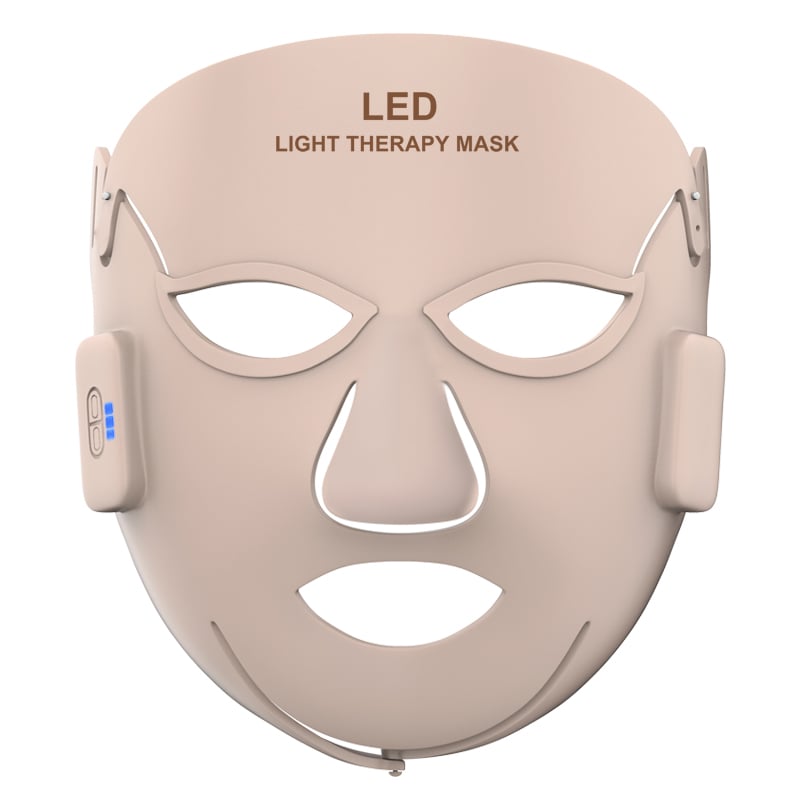
For a beauty brand, a silicone mask is not a costume mask and not automatically a medical device. In this guide, it means a reusable facial accessory designed to sit over a sheet mask, serum, or compatible skincare routine. That distinction matters because the search term is crowded with unrelated special-effects results. From an international brand purchaser’s perspective, the useful question is not “Which silicone mask looks most premium?” It is whether the item can be specified, tested, packaged, and supported consistently enough to earn a place in a repeatable retail program.
Many teams start by comparing color, thickness, and price. Those details matter, but they are not the buying decision. A silicone mask that photographs well yet slips at the jawline, retains odor after cleaning, or arrives with inconsistent cutouts creates more returns and support work than its unit cost suggests. A better brief connects fit, material control, care instructions, packaging, claims, and supplier documentation.
A reusable beauty silicone mask is generally a skincare accessory. It may help keep an underlying sheet mask in place or reduce the temptation for a user to move during a treatment window. It should not be positioned as independently delivering therapeutic light, curing a skin condition, or guaranteeing absorption. If your concept includes LEDs, heat, microcurrent, or other active functions, treat that as a separate product and compliance workstream rather than assuming the accessory’s documentation covers it.
This is an easy point to miss when a procurement brief uses broad language. The U.S. FDA explains that cosmetic products are subject to U.S. law and that product safety responsibilities remain important. That is a reason to request a documented safety and claims review for each target market, not a reason to label a silicone mask “FDA approved.” Build copy around intended cosmetic use and make sure the supplier understands the boundary.
Ask for samples across face shapes, not just a flat product photo. Inspect whether the nose opening, eye area, chin edge, and ear loops create pressure points or leave obvious gaps. A mask that is too stiff may lift a sheet mask at the sides; one that is too soft may fold when handled. The practical target is stable, even contact without an aggressive pull on the ears.
Buyers should ask suppliers to identify the silicone formulation, pigment approach, odor-control process, and recommended cleaning method. Do not convert a supplier’s material description into a safety or hypoallergenic claim without supporting evidence. Instead, test what users notice: surface tack after washing, lint attraction, color transfer, residue retention, and whether the mask still lies flat after repeated normal cleaning cycles.
Thickness is not a universal quality score. A thicker silicone mask may feel substantial, while a lighter construction may be easier to pack and use. The right choice depends on your price band, packaging, and intended routine. What matters more is consistency from sample to production: clean edges, stable cutouts, uniform color, and no visible trapped particles or flashing. Ask the factory how it controls these points during molding and final inspection.
The purchase order should be more than a product name and a target price. Put the following items into the specification sheet before approving mass production:
Earlier in many buying cycles, teams assume more features equal a stronger offer. In practice, a clean, easy-to-explain silicone mask with dependable fit can be more valuable than a feature-heavy concept that confuses users or complicates quality control. The same logic applies to packaging: a storage pouch or case is useful only if it protects the item without adding unnecessary bulk or untested claims.
Request a quotation, but also request answers. Can the supplier explain how it handles incoming material, mold maintenance, batch identification, color matching, cleaning, and final inspection? Can it show how it manages OEM artwork changes and package revisions? For buyers serving Europe, North America, Japan, or Korea, the ability to provide market-appropriate documentation and communicate changes early is often more important than a small initial price difference.
Run the sample through the actual customer journey: unbox it, place it over the intended skincare format, wear it for the proposed routine, wash it, dry it, repack it, and inspect it again. If your brand sells a silicone mask as a reusable accessory, the care instructions must survive this real sequence. A supplier sample is a starting point, not proof that every production unit will behave the same way.
| Decision area | Questions for the buyer | Why it matters |
|---|---|---|
| Fit and comfort | Does it stay in place without pressure points? | Supports repeat use and reduces avoidable complaints. |
| Production control | Are visual standards and inspections documented? | Helps protect batch consistency. |
| Claims and documents | Do intended claims match evidence and market rules? | Reduces compliance and listing risk. |
| Packaging and care | Can users store and clean it as instructed? | Shapes the reusable-product experience. |
| Supplier communication | Are revisions and quality issues handled transparently? | Matters after the first order, not only before it. |
What exact use case is this silicone mask designed for? Which market-specific documents are available, and which would require separate testing? What inspection criteria will apply to each batch? What is the approved benchmark sample? How will logo, color, packaging, and care-copy changes be controlled? Finally, what happens if the mask does not meet the agreed visual or fit standard?
No single silicone mask suits every brand. A value-focused skincare line may prioritize simple packaging and a straightforward routine, while a premium gift set may prioritize finish, presentation, and a protective storage solution. The disciplined choice is the one that matches your intended use, claim boundary, operational controls, and customer expectations. Start with a precise brief, validate it with samples, and make production consistency part of the buying decision rather than an afterthought.

2026/10/30
Discover why in-house mold development helps an RF beauty device manufacturer improve product consistency, iteration speed, tooling control, and production readiness.

2026/10/30
Learn how to verify an RF beauty device manufacturer's R&D and prototyping capabilities using practical engineering workflows and audit checklists.

2026/10/30
Learn what shapes MOQ when choosing an RF beauty device manufacturer and how to plan a lower-risk first order with balanced platform and customization.

2026/10/30
Use this RF beauty device manufacturer evaluation checklist to compare safety evidence, OEM and ODM capability, quality control, and launch readiness.

2026/10/30
See how technology makes beauty at home more guided, consistent, and informed—plus a practical checklist for choosing devices wisely.

2026/10/30
Explore how AI and smart devices shape the future of beauty with responsive routines, clear guidance, trustworthy design, and user-controlled care.

Ideal for daily facial care routines, providing easy-to-use beauty solutions at home.

Perfect for spas and salons’ frequent treatments, enhancing client experiences and results.

Supports dermatologists with advanced devices for professional skin therapy sessions.

Delivers innovative solutions for full-body massage and relaxation with home devices.

Features anti-aging technologies to help reduce wrinkles and stimulate skin vitality.

Specialized devices for safe and effective hair removal suitable for home or clinic use.

Our customers love the Perfect Idea beauty devices. Quality, packaging, and results are all outstanding. We saw increased repeat sales after adding their facial cleansers to our lineup. Their support team is responsive and reliable.

Perfect Idea brings innovation and reliability to home beauty appliances. Our collaboration introduced their massage tools to Japanese women, boosting customer satisfaction and growing our brand trust across the region.

We partnered with Shenzhen Perfect Idea Tech for their beauty equipment. The shipping was fast and every product matched our expectations. Their home-use massagers are especially popular with local salons and home users.

The stylish packaging and attractive design make Perfect Idea stand out. French consumers appreciate the easy instructions and visible results. Communication was efficient and orders always arrived on time.

Perfect Idea home use personal care devices have become a favorite with our clients. The beauty device line offers quality at a reasonable price, and technical training for our staff made onboarding easy.

We selected Perfect Idea for our beauty product portfolio and have seen very positive feedback from our customers. Products are easy to market online and the customer support is reliable and helpful.
