 EN
Home Skincare
Ideal for daily facial care routines, providing easy-to-use beauty solutions at home.

2026/09/10
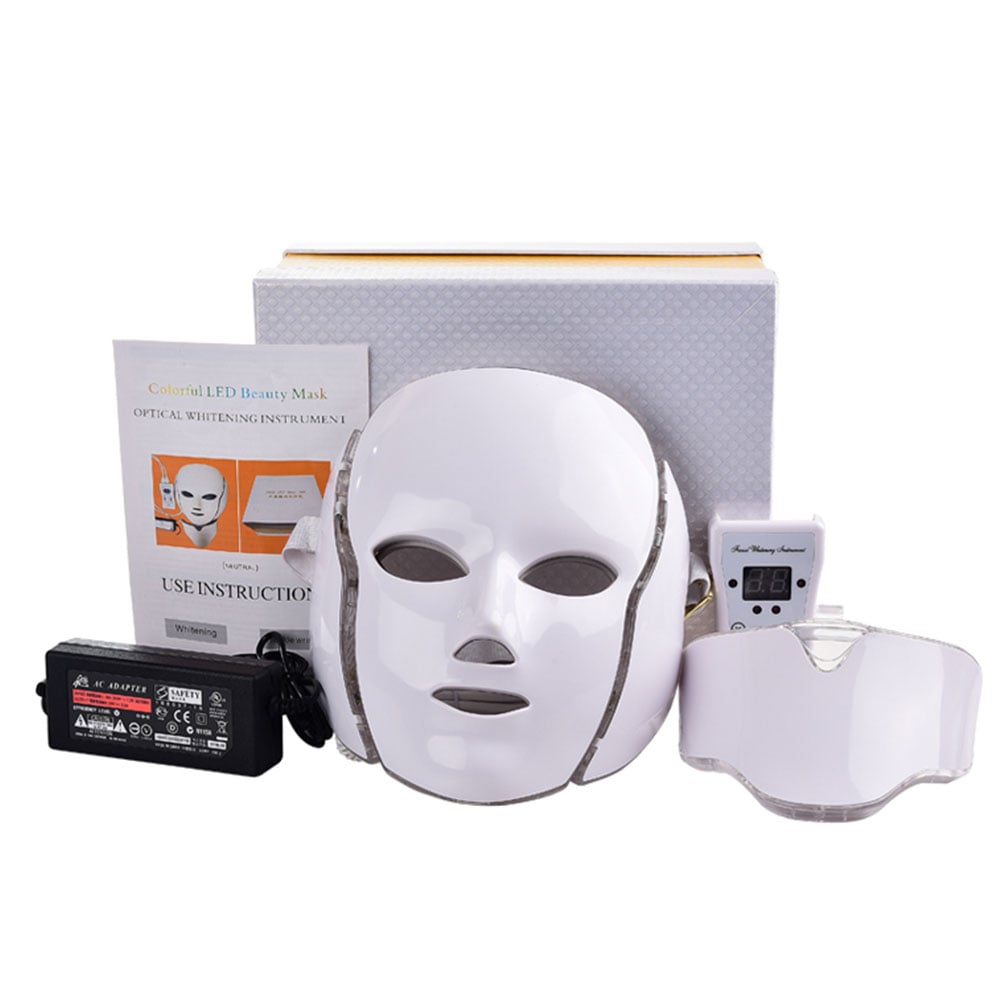
Sustainability is becoming an increasingly important consideration across the beauty industry. Beauty brands are looking beyond product performance and appearance to consider how products are designed, manufactured, packaged, and delivered. This shift is particularly relevant to the growing home beauty device market, where brands and OEM/ODM manufacturers are exploring ways to combine technology, usability, durability, and more responsible material choices.
For manufacturers of skincare devices, LED light therapy masks, facial cleansing devices, skin firming devices, and other beauty technology products, sustainability does not only concern the formula inside a product. It can also influence device housing materials, packaging, accessories, manufacturing processes, and supply chain decisions. As beauty brands develop new products for international markets, eco-friendly materials are becoming one of the factors worth considering during product development rather than something added after manufacturing has already begun.
The beauty industry has traditionally focused on product effectiveness, appearance, convenience, and cost. Today, brands are also paying closer attention to the environmental profile of the products they offer. This change is creating new considerations for manufacturers involved in private label, OEM, and ODM beauty product development.
For a beauty device, sustainability can involve several different components. The outer housing, internal components, charging accessories, protective packaging, instruction materials, and shipping cartons can all contribute to the overall material footprint of a product. Choosing suitable materials therefore requires more than simply replacing one type of plastic with another.
For example, a home-use skincare device needs to be lightweight, durable, comfortable to hold, and resistant to regular handling. An LED light therapy mask also needs materials that support its structure and user experience while accommodating electronic components and light-emitting technology. A facial cleansing brush may require materials that are easy to clean and suitable for repeated use.
This creates an important balance for beauty device manufacturers: sustainable material choices should still support product functionality, safety, durability, and manufacturing requirements.
For OEM and ODM projects, considering these factors early can help brands make more informed decisions about product design and packaging before tooling and mass production begin.
Packaging is one of the most visible areas where sustainability is influencing beauty product development. Consumers interact with packaging before they use the actual product, making material selection an important part of the overall brand experience.
Traditional beauty packaging often uses combinations of plastic, paper, foam, coatings, and other materials. Some of these combinations can make recycling more difficult. As a result, beauty brands are increasingly exploring packaging approaches that use recyclable paper, recycled materials, reduced plastic content, or simplified packaging structures where appropriate.
For home beauty devices, packaging also has a practical purpose. Devices need protection during storage and transportation because electronic and precision components can be sensitive to impact and moisture. Sustainable packaging therefore needs to balance environmental considerations with adequate product protection.
This is particularly important for OEM and ODM manufacturers. Packaging cannot always be changed independently from the product. Device dimensions, accessories, charging components, user manuals, protective inserts, and shipping requirements all need to work together.
A more sustainable packaging strategy may therefore begin during product development rather than after the device has already entered production.
The growing popularity of home beauty devices creates another opportunity to consider material choices. Unlike single-use beauty products, many skincare devices are designed for repeated use. This means durability and product lifespan can become important aspects of the sustainability discussion.
A well-designed device should provide a reliable user experience throughout its intended service life. For manufacturers, this places attention on material quality, structural design, component selection, assembly processes, and quality control.
For products such as LED masks, facial firming devices, RF beauty devices, facial cleansing brushes, and skin scrubbers, material selection can also influence the device's weight, appearance, ergonomics, and ease of use.
The goal is not necessarily to use the most environmentally friendly material in every component. Instead, manufacturers need to evaluate the complete product system. A material that appears sustainable in isolation may not be appropriate if it compromises durability, product safety, manufacturing consistency, or user experience.
This is where OEM and ODM expertise becomes valuable. When brands work with an experienced beauty device manufacturer, material selection can be considered together with industrial design, structural engineering, functional development, prototyping, tooling, production, and quality control.
For beauty brands developing their own skincare device, sustainability can be incorporated into the project at several stages.
The process may begin with product concept and target-market requirements. Brands can communicate their expectations regarding packaging materials, product appearance, component selection, and environmental positioning before the design is finalized.
During appearance and structural design, manufacturers can evaluate how different materials affect the size, weight, durability, and manufacturing process of the device. During functional development and prototyping, the selected materials can then be assessed together with the actual product structure.
Packaging is another important stage. Instead of treating packaging as a final production task, brands can consider packaging materials and product protection requirements during development. This can help reduce the need for major packaging changes later in the project.
For an OEM/ODM manufacturer, this integrated approach is especially useful because product development involves multiple connected stages. Beperfect, for example, provides OEM and ODM services covering appearance design, structural design, functional design, prototype confirmation, mold processing, trial production, mass production, quality control, and packaging.
For brands developing home-use beauty devices, sustainability should be evaluated alongside product performance and manufacturing requirements.
One consideration is material durability. A device designed for repeated use needs materials that can withstand normal handling and cleaning throughout its intended lifespan.
Another is product safety and compatibility. Materials used around electronic components, light sources, charging systems, or skincare-contact areas need to be suitable for their specific application.
Packaging should also be evaluated as part of the complete product. Recyclable or reduced-material packaging may be desirable, but it still needs to provide sufficient protection during transportation and storage.
Brands should also consider manufacturing feasibility. A material may appear attractive from a sustainability perspective but require different tooling, processing conditions, or supplier capabilities. Discussing these factors with an OEM/ODM manufacturer during the early development stage can make the decision-making process more practical.
Finally, sustainability claims should be supported by appropriate documentation. Brands should avoid making broad environmental claims unless they have reliable information to substantiate them. Clear communication between the brand, material suppliers, and manufacturer can help reduce misunderstandings during product development and market launch.
Sustainable beauty is likely to continue influencing how brands approach product design, packaging, manufacturing, and sourcing. For the home beauty device market, the discussion is moving beyond simply asking whether a product is “eco-friendly.” Brands increasingly need to consider how materials, product lifespan, packaging, manufacturing processes, and user experience work together.
For manufacturers, this creates an opportunity to integrate sustainability considerations into existing OEM and ODM development capabilities. Instead of treating sustainable materials as an isolated marketing feature, manufacturers can evaluate them alongside industrial design, functional requirements, quality control, packaging, and production.
The future of beauty technology will continue to depend on innovation. LED light therapy masks, facial cleansing devices, skin firming devices, anti-aging devices, and other home skincare technologies are evolving as consumers look for convenient and technology-driven beauty solutions. At the same time, material selection and responsible product development are becoming increasingly relevant to the brands bringing these products to market.
For beauty brands planning a new device or private-label skincare technology product, discussing material options early with an experienced OEM/ODM manufacturer can help create a more balanced product strategy. Sustainable beauty is not simply about choosing a different material. It is about considering the entire product development process and finding practical ways to combine technology, performance, durability, design, and more responsible material choices.

2026/10/30
Discover why in-house mold development helps an RF beauty device manufacturer improve product consistency, iteration speed, tooling control, and production readiness.

2026/10/30
Learn how to verify an RF beauty device manufacturer's R&D and prototyping capabilities using practical engineering workflows and audit checklists.

2026/10/30
Learn what shapes MOQ when choosing an RF beauty device manufacturer and how to plan a lower-risk first order with balanced platform and customization.

2026/10/30
Use this RF beauty device manufacturer evaluation checklist to compare safety evidence, OEM and ODM capability, quality control, and launch readiness.

2026/10/30
See how technology makes beauty at home more guided, consistent, and informed—plus a practical checklist for choosing devices wisely.

2026/10/30
Explore how AI and smart devices shape the future of beauty with responsive routines, clear guidance, trustworthy design, and user-controlled care.

Ideal for daily facial care routines, providing easy-to-use beauty solutions at home.

Perfect for spas and salons’ frequent treatments, enhancing client experiences and results.

Supports dermatologists with advanced devices for professional skin therapy sessions.

Delivers innovative solutions for full-body massage and relaxation with home devices.

Features anti-aging technologies to help reduce wrinkles and stimulate skin vitality.

Specialized devices for safe and effective hair removal suitable for home or clinic use.

Our customers love the Perfect Idea beauty devices. Quality, packaging, and results are all outstanding. We saw increased repeat sales after adding their facial cleansers to our lineup. Their support team is responsive and reliable.

Perfect Idea brings innovation and reliability to home beauty appliances. Our collaboration introduced their massage tools to Japanese women, boosting customer satisfaction and growing our brand trust across the region.

We partnered with Shenzhen Perfect Idea Tech for their beauty equipment. The shipping was fast and every product matched our expectations. Their home-use massagers are especially popular with local salons and home users.

The stylish packaging and attractive design make Perfect Idea stand out. French consumers appreciate the easy instructions and visible results. Communication was efficient and orders always arrived on time.

Perfect Idea home use personal care devices have become a favorite with our clients. The beauty device line offers quality at a reasonable price, and technical training for our staff made onboarding easy.

We selected Perfect Idea for our beauty product portfolio and have seen very positive feedback from our customers. Products are easy to market online and the customer support is reliable and helpful.
