 EN
Home Skincare
Ideal for daily facial care routines, providing easy-to-use beauty solutions at home.

2026/09/29
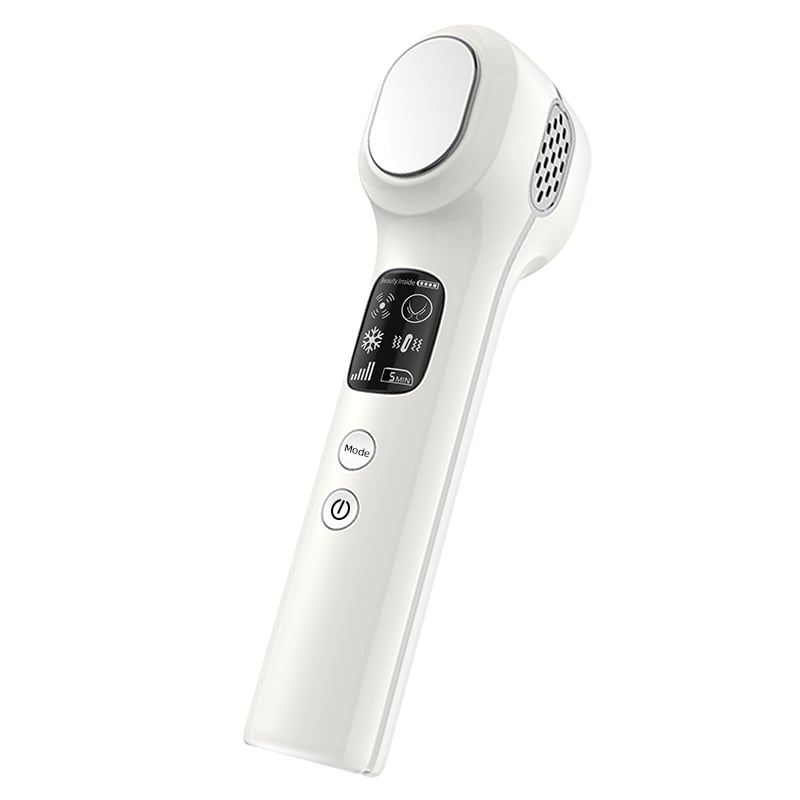
When people compare skin care devices with topical products, they usually want one decisive answer: which will change their skin for longer? In practice, the better investment depends on the concern, the routine you can sustain, and whether you have already built the basics. A well-chosen device can be a useful addition, but it rarely replaces a thoughtful topical skin care routine.
Think of skin care as a layered plan. Daily cleansing, moisturizing, and sun protection manage the conditions your skin encounters every day. Devices may add a focused stimulus—such as light, heat, or microcurrent—but they require correct use, realistic expectations, and patience. The long-term result is usually the skin care routine you repeat, not the most impressive-looking tool on the shelf.
For most people, topical skin care has the stronger claim to long-term value because it can address daily protection, hydration, and treatment in a flexible skin care routine. A gentle cleanser can support comfort; a moisturizer can help maintain the skin barrier; a treatment product may target a specific concern; and sunscreen helps limit ongoing UV exposure. The American Academy of Dermatology recommends broad-spectrum, water-resistant sunscreen with SPF 30 or higher as part of sun protection. That prevention step matters because no device can undo the effects of repeated, unprotected sun exposure.
Devices make more sense after that baseline is stable. They can be useful for a narrow goal, such as supporting an acne-focused skin care routine, improving the look of mild texture changes, or creating a relaxing maintenance ritual. The key is not to ask whether a device is “better” than every serum or cream. Ask what it is designed to do, what your topical products already do well, and what gap remains.
Topical skin care products are easy to tailor. Dry or reactive skin may benefit from a simple fragrance-free moisturizer. Acne-prone skin may need a carefully introduced active product. Pigmentation concerns may call for diligent sun protection and a clinician-guided treatment plan. Because formulas can be changed one at a time, a topical approach also makes it easier to notice irritation and adjust before a small problem becomes a disrupted skin care routine.
Consistency is another advantage. A product that fits into a morning or evening habit has many opportunities to work. Long-term progress often comes from boring, repeatable choices: using sunscreen, avoiding harsh over-cleansing, applying a moisturizer when the skin feels dry, and introducing treatment products gradually. These habits support skin comfort and can make every other part of a skin care routine easier to tolerate.
Topicals also tend to match the daily nature of common concerns. Dehydration, dryness, barrier stress, and exposure to UV light are not occasional events. They require ongoing skin care. A device used a few times per week may complement that work, but it cannot take over the daily job of protecting and maintaining the skin.
Home devices are not all the same. LED masks, microcurrent tools, cleansing brushes, and heat-based devices use different approaches and should not be judged as one category. An LED device, for example, is not a substitute for moisturizer or sunscreen. Its potential role is more targeted. The American Academy of Dermatology notes that some red-light devices are FDA-cleared for home use and advises users to follow the directions supplied with an FDA-cleared device. Clearance is not a promise that every user will see the same result.
This distinction matters for long-term skin care. A device can be worth considering when you can describe the goal in one sentence, commit to the stated schedule, and use it without irritating your skin. Someone who wants an adjunct to a calm, stable acne skin care routine may choose a suitable light-based device. Someone whose main concern is tightness after cleansing is more likely to benefit first from simplifying topical skin care and using a better moisturizer.
Set expectations carefully. Cleveland Clinic notes that portable LED masks and similar devices are unlikely to produce dramatic anti-aging or acne-reducing results. That does not make every device useless. It means the sensible standard is modest, gradual support—not a replacement for dermatologic care, sunscreen, or a consistent skin care routine.
| Question | Topical products | Home devices |
|---|---|---|
| primary role | Daily cleansing, hydration, protection, and targeted treatment | Focused support for a specific, suitable concern |
| Frequency | Usually daily | Varies by device instructions |
| Strength | Flexible and easy to personalize | Can add a distinct modality to an established skin care routine |
| Common risk | Overusing actives or layering too many products | Using the wrong settings, poor technique, or unrealistic expectations |
| Long-term priority | Usually the first investment | Usually the second investment |
The table is not a verdict against devices. It is a reminder to compare like with like. A cleanser cannot do what a light device is designed to do, and an LED mask cannot provide the daily UV protection offered by sunscreen. The most practical plan often combines both categories in a way that keeps the skin care routine simple enough to follow.
Write down the concern in plain language: recurring breakouts, dryness, uneven-looking tone, early fine lines, or a desire for a more consistent self-care habit. If the issue is persistent, painful, suddenly changing, or affecting your confidence, seek advice from a dermatologist rather than escalating a home skin care routine indefinitely.
Before purchasing a device, ask whether you regularly use sun protection, cleanse without stripping the skin, and have a moisturizer that feels comfortable. If the answer is no, your budget usually has more impact when spent on those foundations. This is especially true for sensitive skin, where frequent experimentation can create more irritation than improvement.
If the basics are in place, select one device or one active topical addition—not several at once. Read the instructions, check contraindications, and use the lowest sensible intensity or frequency at first. Taking a simple photo in the same light every few weeks can be more useful than judging results every morning.
Long-term care rewards observation, not constant product swapping. Continue only if the skin care routine is comfortable, practical, and aligned with the result you hoped for. If a device sits unused or a product repeatedly stings, it is not delivering value simply because it was expensive. A smaller skin care routine that you actually maintain is often the better long-term choice.
Yes, but sequence and tolerance matter. Follow the device manufacturer’s directions about clean skin, conductive gels, or products to avoid. Avoid assuming that more stimulation and more active ingredients automatically create better skin care. On device days, many people do well with a calm, uncomplicated skin care routine, especially if they are prone to sensitivity. Introduce new products on separate days so you can identify what causes redness, dryness, or breakouts.
For buyers evaluating home beauty devices, responsible product communication matters too. Clear instructions, realistic claims, and a skin care routine-first message help customers use a device as an addition rather than a cure-all. The most durable customer experience is built around appropriate expectations and safe, consistent use.
For better long-term results, topical skin care usually comes first. Daily sun protection, a tolerable cleanser, a suitable moisturizer, and carefully chosen treatment products create the base that most skin goals need. A home device can be a valuable second step when it addresses a clear concern, fits your schedule, and is used according to its instructions.
So the strongest answer is not devices versus products. It is foundational skin care plus a device only when the device has a specific, realistic role. Build the skin care routine you can repeat, protect your skin from ongoing damage, and treat dramatic promises as a reason to slow down—not speed up.

2026/10/30
Discover why in-house mold development helps an RF beauty device manufacturer improve product consistency, iteration speed, tooling control, and production readiness.

2026/10/30
Learn how to verify an RF beauty device manufacturer's R&D and prototyping capabilities using practical engineering workflows and audit checklists.

2026/10/30
Learn what shapes MOQ when choosing an RF beauty device manufacturer and how to plan a lower-risk first order with balanced platform and customization.

2026/10/30
Use this RF beauty device manufacturer evaluation checklist to compare safety evidence, OEM and ODM capability, quality control, and launch readiness.

2026/10/30
See how technology makes beauty at home more guided, consistent, and informed—plus a practical checklist for choosing devices wisely.

2026/10/30
Explore how AI and smart devices shape the future of beauty with responsive routines, clear guidance, trustworthy design, and user-controlled care.

Ideal for daily facial care routines, providing easy-to-use beauty solutions at home.

Perfect for spas and salons’ frequent treatments, enhancing client experiences and results.

Supports dermatologists with advanced devices for professional skin therapy sessions.

Delivers innovative solutions for full-body massage and relaxation with home devices.

Features anti-aging technologies to help reduce wrinkles and stimulate skin vitality.

Specialized devices for safe and effective hair removal suitable for home or clinic use.

Our customers love the Perfect Idea beauty devices. Quality, packaging, and results are all outstanding. We saw increased repeat sales after adding their facial cleansers to our lineup. Their support team is responsive and reliable.

Perfect Idea brings innovation and reliability to home beauty appliances. Our collaboration introduced their massage tools to Japanese women, boosting customer satisfaction and growing our brand trust across the region.

We partnered with Shenzhen Perfect Idea Tech for their beauty equipment. The shipping was fast and every product matched our expectations. Their home-use massagers are especially popular with local salons and home users.

The stylish packaging and attractive design make Perfect Idea stand out. French consumers appreciate the easy instructions and visible results. Communication was efficient and orders always arrived on time.

Perfect Idea home use personal care devices have become a favorite with our clients. The beauty device line offers quality at a reasonable price, and technical training for our staff made onboarding easy.

We selected Perfect Idea for our beauty product portfolio and have seen very positive feedback from our customers. Products are easy to market online and the customer support is reliable and helpful.
