 EN
Home Skincare
Ideal for daily facial care routines, providing easy-to-use beauty solutions at home.

2026/10/22
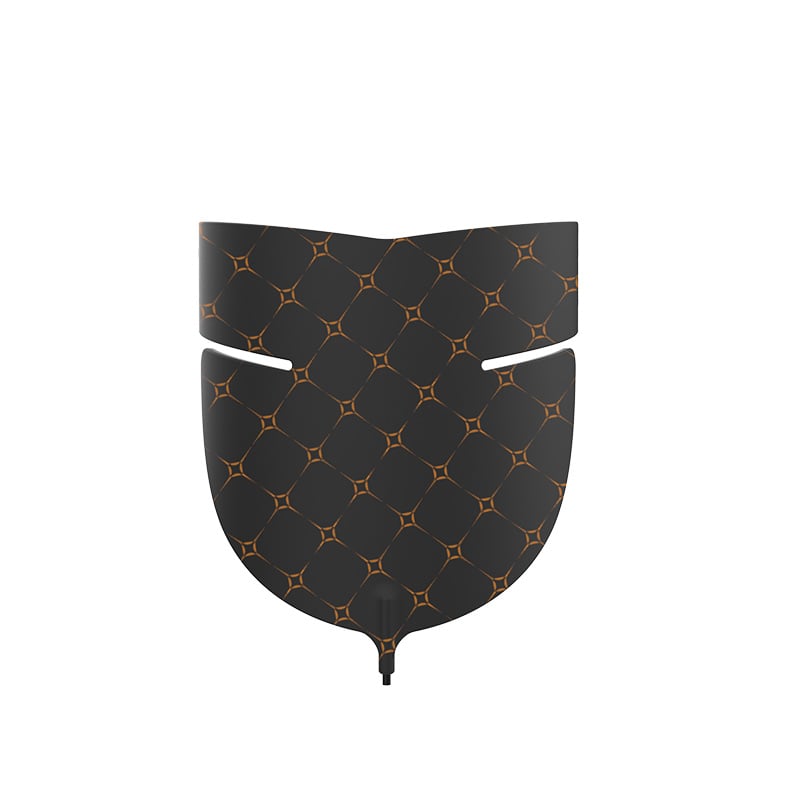
Choosing between these two light-therapy approaches is easier when you start with the concern you want to address, not the color that sounds most appealing. Both approaches use non-UV visible light, but they are commonly used for different skin goals. Used as directed, red light therapy is a gradual support option rather than an instant result. Blue light is generally discussed in acne-focused routines; red light is more often considered for concerns such as visible signs of aging, mild inflammation, or overall skin-support routines.
As a home beauty-device technical advisor, I encourage people to compare the intended use, instructions, and safety boundaries before comparing feature lists. A multi-color device is not automatically a better fit. What matters is whether the mode you will actually use fits your skin concern and whether you can use it consistently and safely.
| Primary concern | Usually the more relevant option | What to keep in mind |
|---|---|---|
| Breakouts and acne-prone skin | Blue light therapy | Blue light is commonly used to target acne-related concerns near the skin surface. Persistent, painful, or widespread acne needs professional advice. |
| Fine lines, a dull-looking complexion, or recovery-oriented care | Red light therapy | Red light therapy is commonly marketed for skin-support and rejuvenation goals, but outcomes vary with the device, routine, and the individual. |
| Acne plus visible redness or post-breakout concerns | A combination may be worth discussing | Use each mode only as directed. Combination use is not a substitute for an acne treatment plan or a dermatologist’s evaluation. |
The practical decision is rarely “red versus blue forever.” It is often “which concern is most important right now?” If active breakouts are driving the conversation, blue light therapy may be the more direct category to investigate. If your goal is a gradual, supportive routine for skin texture and the appearance of aging, red light therapy may be the more relevant starting point.
Red light therapy, often described as LED photobiomodulation in educational material, uses red visible light and may also be paired with near-infrared light in some devices. Cleveland Clinic notes that red LED light travels further into the skin than blue light and may reduce inflammation and stimulate collagen production. That does not mean every red-light device will produce the same result, or that it can replace medical treatment. It explains why red light therapy is usually framed around gradual skin-support goals rather than an overnight fix.
For someone concerned about the look of fine lines, a tired-looking complexion, or skin comfort after a breakout, a red-light routine can be a reasonable category to explore. Set a modest expectation: consistency matters more than intensity. Red light therapy works best as a patient, repeatable part of an overall skincare routine. Many users focus so heavily on a device’s color count that they miss the basic question of whether the session schedule fits their routine.
Blue light therapy is commonly used in acne-oriented care because it acts closer to the skin surface. Cleveland Clinic explains that blue LED light may affect acne-causing bacteria, while Mayo Clinic describes medically delivered blue light as helping acne through an oxidative reaction on the skin. These are useful mechanisms to understand, not guarantees of clearance. Acne can have hormonal, inflammatory, medication-related, and other causes, so blue light therapy may be one part of a broader plan rather than the whole plan.
If your priority is active blemishes, blue light therapy may be more aligned with your goal than a red-light mode alone. Red light therapy can still be relevant when inflammation or recovery-oriented care is also part of the discussion. However, a device should not be judged by blue LEDs alone. Check its usage instructions, eye-protection guidance, treatment area, and any contraindications before making it part of your routine.
Sometimes, yes—especially when acne and visible irritation are both part of the picture. Blue light therapy may be selected for the acne-oriented side of the routine, while a red-light mode may be included for its skin-support role. Still, using two modes does not mean doubling session time or frequency. Follow the device’s specific protocol. A red light therapy session should remain within the timing and frequency stated by the manufacturer. More exposure is not automatically more useful.
This is where a common assumption needs correcting. It is tempting to think that a multi-color device must cover every skincare need. More accurately, multiple modes simply provide options. The right plan depends on your priority, your tolerance, and the instructions supplied with the particular device. If your skin becomes irritated, pause use and seek clinical guidance rather than trying to compensate with another color setting.
Home LED devices are not appropriate for every situation. Talk with a dermatologist before starting a red- or blue-light routine if you have persistent cystic acne, unexplained pigmentation changes, severe sensitivity, a diagnosed photosensitivity disorder, or concerns about how light may interact with medication. It is also sensible to ask for guidance if symptoms worsen or if a device causes persistent discomfort.
A clinician can help distinguish an aesthetic goal from a condition that needs diagnosis or prescription treatment. This distinction matters because light-based routines are usually supportive tools. They should not delay care for painful acne, a new or changing lesion, infection, or a rapidly worsening rash.
Choose blue light therapy as the first category to research when active acne and breakouts are your clearest concern. Consider red light therapy when your focus is a gradual, noninvasive skin-support routine for concerns such as the appearance of fine lines or a dull complexion. If you have both goals, a device with appropriately instructed red and blue modes may be worth considering, but it is still important to use each mode conservatively and as directed.
In other words, there is no universal winner. The two light modes answer different questions. Start with your main skin concern, review the device’s intended use and safety guidance, and keep expectations measured. That approach gives you a more useful decision than choosing a color based on the strongest marketing claim.

2026/10/30
Discover why in-house mold development helps an RF beauty device manufacturer improve product consistency, iteration speed, tooling control, and production readiness.

2026/10/30
Learn how to verify an RF beauty device manufacturer's R&D and prototyping capabilities using practical engineering workflows and audit checklists.

2026/10/30
Learn what shapes MOQ when choosing an RF beauty device manufacturer and how to plan a lower-risk first order with balanced platform and customization.

2026/10/30
Use this RF beauty device manufacturer evaluation checklist to compare safety evidence, OEM and ODM capability, quality control, and launch readiness.

2026/10/30
See how technology makes beauty at home more guided, consistent, and informed—plus a practical checklist for choosing devices wisely.

2026/10/30
Explore how AI and smart devices shape the future of beauty with responsive routines, clear guidance, trustworthy design, and user-controlled care.

Ideal for daily facial care routines, providing easy-to-use beauty solutions at home.

Perfect for spas and salons’ frequent treatments, enhancing client experiences and results.

Supports dermatologists with advanced devices for professional skin therapy sessions.

Delivers innovative solutions for full-body massage and relaxation with home devices.

Features anti-aging technologies to help reduce wrinkles and stimulate skin vitality.

Specialized devices for safe and effective hair removal suitable for home or clinic use.

Our customers love the Perfect Idea beauty devices. Quality, packaging, and results are all outstanding. We saw increased repeat sales after adding their facial cleansers to our lineup. Their support team is responsive and reliable.

Perfect Idea brings innovation and reliability to home beauty appliances. Our collaboration introduced their massage tools to Japanese women, boosting customer satisfaction and growing our brand trust across the region.

We partnered with Shenzhen Perfect Idea Tech for their beauty equipment. The shipping was fast and every product matched our expectations. Their home-use massagers are especially popular with local salons and home users.

The stylish packaging and attractive design make Perfect Idea stand out. French consumers appreciate the easy instructions and visible results. Communication was efficient and orders always arrived on time.

Perfect Idea home use personal care devices have become a favorite with our clients. The beauty device line offers quality at a reasonable price, and technical training for our staff made onboarding easy.

We selected Perfect Idea for our beauty product portfolio and have seen very positive feedback from our customers. Products are easy to market online and the customer support is reliable and helpful.
