 EN
Home Skincare
Ideal for daily facial care routines, providing easy-to-use beauty solutions at home.

2026/10/12
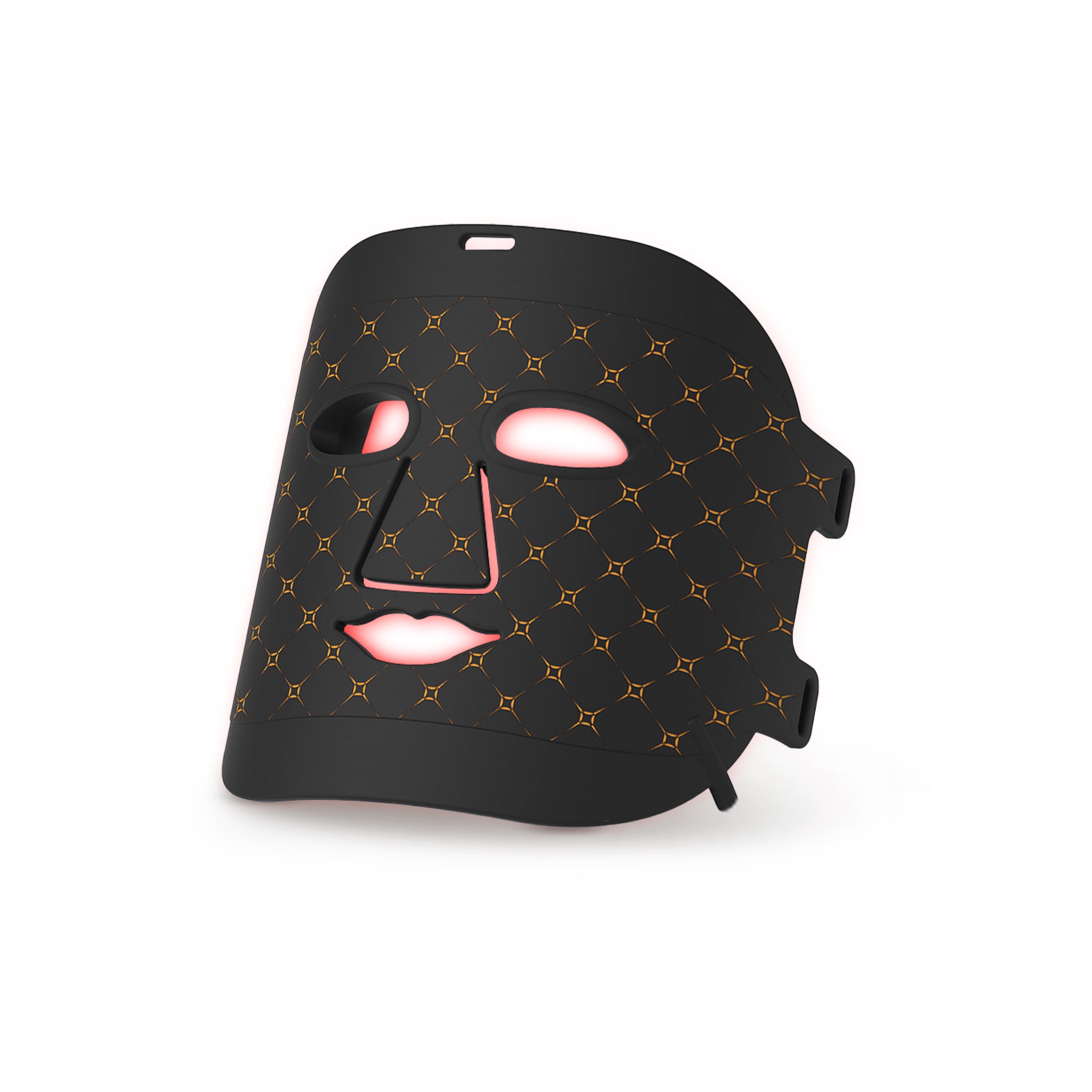
When people compare a red light therapy face routine with chemical peels, “safer” can sound like a simple verdict. It is not. The two options create very different kinds of skin stress, have different recovery demands, and suit different goals. A red-light device is generally a gradual, low-downtime maintenance option; a chemical peel is a controlled resurfacing procedure whose safety depends heavily on peel depth, skin assessment, and aftercare.
As a technical advisor who helps people compare at-home beauty devices, I start with one question: what change are you actually trying to make? A red light therapy face routine may fit someone seeking a slow, non-ablative approach to texture or visible signs of aging. A peel may be more appropriate when a clinician has identified a concern that benefits from targeted exfoliation or resurfacing. Neither choice is automatically the right fit for every face.
For many people, a properly used red light therapy face device is the lower-disruption choice over time because it does not intentionally remove layers of skin. There is usually no scheduled peeling period, and normal activity can often continue. That makes it appealing for a maintenance-minded routine. However, lower downtime does not make a device risk-free: following the manufacturer’s instructions, respecting eye-protection guidance, and watching for irritation still matter.
Chemical peels deliberately create a controlled injury so the skin can shed and renew. Light peels may involve temporary dryness and flaking. Medium and deep peels carry a much larger recovery burden. Dermatology guidance notes that medium peels can involve redness and swelling, with healing commonly taking 7 to 14 days; blistering and prolonged redness are among the concerns that make professional assessment important. Rare complications such as scarring or pigment changes are meaningful even when uncommon.
| Decision factor | Red light therapy face routine | Chemical peel |
|---|---|---|
| What it does | Uses visible red and sometimes near-infrared light as a non-ablative skincare modality. | Uses a chemical solution to exfoliate or resurface skin at a chosen depth. |
| Typical disruption | Usually low; consistency matters more than recovery time. | Ranges from mild flaking to substantial redness, swelling, and downtime depending on depth. |
| Key safety variables | Device instructions, session schedule, eye protection, photosensitivity, and individual skin response. | Acid type and strength, depth, practitioner skill, skin history, sun avoidance, and aftercare. |
| Long-term concern | Overuse, ignoring irritation, or treating a device as a substitute for medical care. | Repeated irritation, pigment change, delayed healing, infection, or scarring when selection or aftercare is poor. |
The table is a framework, not a diagnosis. If your priority is minimizing recovery and introducing one variable at a time, the red light therapy face path is usually easier to manage. If your priority is treating a concern that calls for resurfacing, a peel may deliver a more direct intervention—but it deserves more clinical guardrails.
Pause and ask for professional advice if you have an unexplained rash, an actively inflamed skin condition, a known photosensitivity issue, or are using medicines that can increase light sensitivity. If a device directs you to use supplied goggles or other specific eye protection, use that protection rather than substituting ordinary sunglasses. People with deeper skin tones may also want individualized advice, since pigment changes can be especially frustrating and long-lasting when skin becomes irritated.
Start conservatively. A sensible red light therapy face plan follows the device schedule instead of adding extra sessions because “more” feels productive. Stop if burning, persistent redness, itching, or a new reaction develops. The goal is a tolerable routine you can evaluate over weeks, not an aggressive experiment.
A peel deserves a full history before treatment: previous pigment changes, cold sores, keloid or unusual scarring history, active acne or eczema flares, recent procedures, and the products or prescriptions already in use. This is particularly important for medium and deep treatments. At-home products can look deceptively simple; stronger formulas and incorrect use can turn a cosmetic step into an injury. A licensed dermatologist or qualified clinician can match peel depth to your skin concern and explain the recovery plan.
It is tempting to compare technology with technology, but the surrounding routine often determines the safer choice. Repeatedly combining strong exfoliants, retinoids, scrubs, and a peel schedule can compromise the skin barrier. Likewise, using a red light therapy face device while ignoring a new reaction does not become safer merely because the treatment is gentle in concept.
Think in cycles. For a device routine, set a review point after several weeks: Has your skin stayed comfortable? Are you following the recommended schedule? Is there any change that needs a clinician rather than another session? For a peel, build in the full recovery window before judging results or adding another active treatment. Sun protection, gentle cleansing, and compliance with aftercare are part of the treatment—not optional extras.
For long-term safety, a red light therapy face routine is often the gentler starting point because it is non-ablative and has little to no planned downtime when used correctly. Chemical peels are not inherently unsafe, but their risk rises with depth and with poor candidate selection, unsupervised use, or rushed aftercare. The better choice is the one that matches your goal, your skin’s tolerance, and the level of supervision the treatment requires. If you are unsure, a dermatologist can help you avoid turning a skincare decision into a preventable setback.

2026/10/30
Discover why in-house mold development helps an RF beauty device manufacturer improve product consistency, iteration speed, tooling control, and production readiness.

2026/10/30
Learn how to verify an RF beauty device manufacturer's R&D and prototyping capabilities using practical engineering workflows and audit checklists.

2026/10/30
Learn what shapes MOQ when choosing an RF beauty device manufacturer and how to plan a lower-risk first order with balanced platform and customization.

2026/10/30
Use this RF beauty device manufacturer evaluation checklist to compare safety evidence, OEM and ODM capability, quality control, and launch readiness.

2026/10/30
See how technology makes beauty at home more guided, consistent, and informed—plus a practical checklist for choosing devices wisely.

2026/10/30
Explore how AI and smart devices shape the future of beauty with responsive routines, clear guidance, trustworthy design, and user-controlled care.

Ideal for daily facial care routines, providing easy-to-use beauty solutions at home.

Perfect for spas and salons’ frequent treatments, enhancing client experiences and results.

Supports dermatologists with advanced devices for professional skin therapy sessions.

Delivers innovative solutions for full-body massage and relaxation with home devices.

Features anti-aging technologies to help reduce wrinkles and stimulate skin vitality.

Specialized devices for safe and effective hair removal suitable for home or clinic use.

Our customers love the Perfect Idea beauty devices. Quality, packaging, and results are all outstanding. We saw increased repeat sales after adding their facial cleansers to our lineup. Their support team is responsive and reliable.

Perfect Idea brings innovation and reliability to home beauty appliances. Our collaboration introduced their massage tools to Japanese women, boosting customer satisfaction and growing our brand trust across the region.

We partnered with Shenzhen Perfect Idea Tech for their beauty equipment. The shipping was fast and every product matched our expectations. Their home-use massagers are especially popular with local salons and home users.

The stylish packaging and attractive design make Perfect Idea stand out. French consumers appreciate the easy instructions and visible results. Communication was efficient and orders always arrived on time.

Perfect Idea home use personal care devices have become a favorite with our clients. The beauty device line offers quality at a reasonable price, and technical training for our staff made onboarding easy.

We selected Perfect Idea for our beauty product portfolio and have seen very positive feedback from our customers. Products are easy to market online and the customer support is reliable and helpful.
