 EN
Home Skincare
Ideal for daily facial care routines, providing easy-to-use beauty solutions at home.

2026/10/18
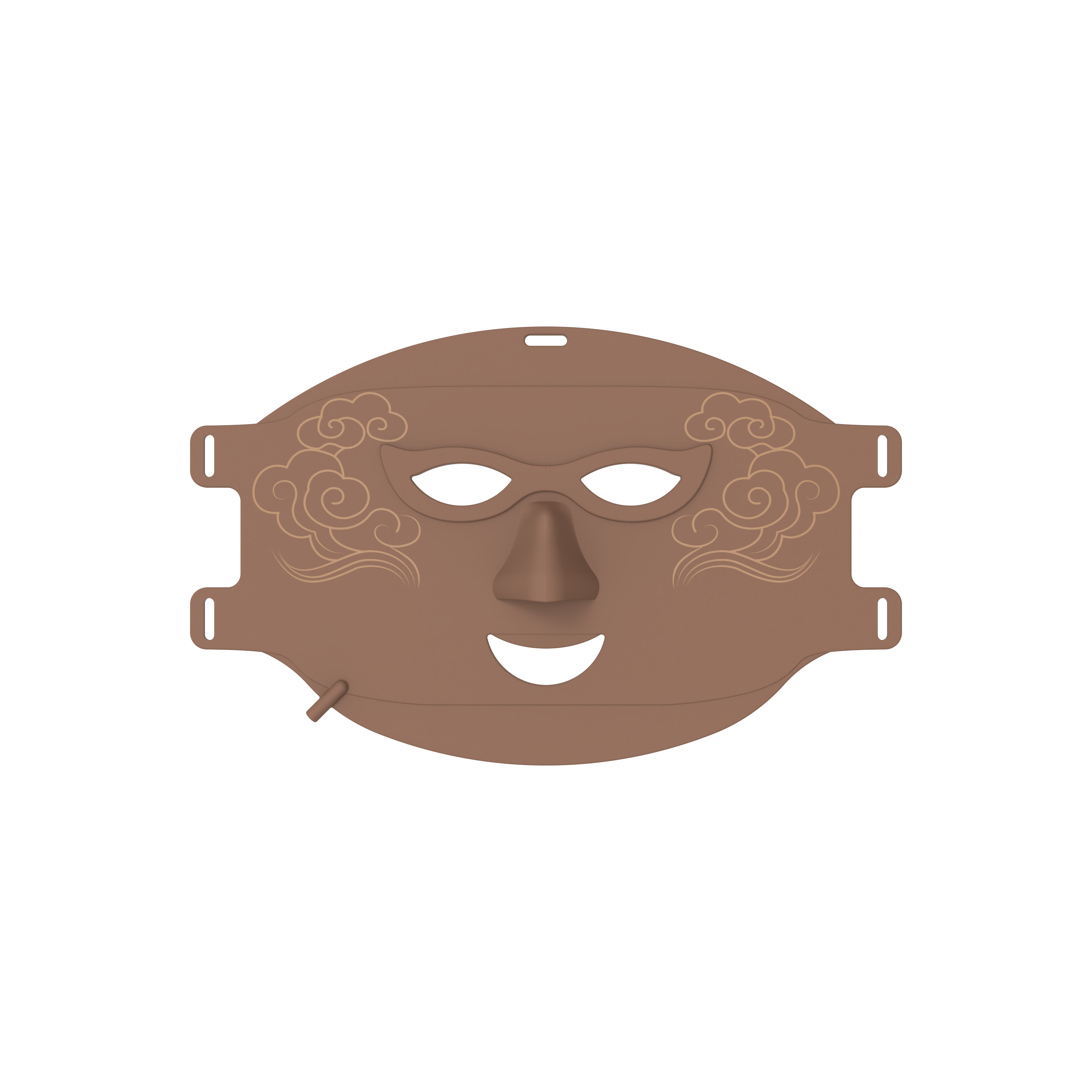
Choosing an LED face mask is easier when you start with the concern in the mirror, not the color on the control panel. As a skin-management professional, I encourage people to view a red light mask and a blue light mask as different tools with different jobs. Neither is a universal answer, and neither replaces medical care for a persistent or severe skin condition.
The short version is this: a red light mask is usually the more relevant setting when your priority is the appearance of fine lines, uneven-looking texture, dullness, or lingering redness. Blue light is more often considered when active, inflamed breakouts are the main issue. If you have both concerns, a mask with separate red and blue settings may be more practical than forcing one color to do everything.
LED skin devices use narrow bands of visible light. A red light mask commonly uses red wavelengths, sometimes alongside near-infrared light, while a blue light mask uses blue wavelengths. The exact wavelength, energy output, treatment time, and fit of the device all matter. That is why one mask’s settings should not be treated as interchangeable with another’s.
For a useful first decision, describe your dominant concern in plain language:
A red light mask can be part of a consistent cosmetic-care routine, but it is not a shortcut around sunscreen, gentle cleansing, adequate sleep, or clinician-guided treatment when those are needed.
Red light is commonly discussed for supporting the look of smoother, more even, and more resilient-looking skin. The American Academy of Dermatology notes that red-light therapy is often explored for visible signs of aging, while also emphasizing that individual results differ. In practice, the most suitable candidates are often people who can commit to a manufacturer-directed schedule and assess changes gradually rather than day by day.
Consider a red light mask first when your goal is to support:
Set a realistic baseline before you begin. Take photos in the same location and lighting, keep the rest of the routine stable, and give the process enough time to evaluate. A red light mask is better judged over several weeks of consistent use than after one session. Stop if you experience discomfort, persistent irritation, or an unexpected reaction.
Blue light is more closely associated with mild-to-moderate inflammatory acne because it can interact with compounds involved in acne-related bacterial activity. Reviews of light-based acne therapy report moderate evidence for blue light in inflammatory lesions, but the study protocols, treatment frequency, and devices vary. That nuance matters: blue light can be a supportive option, not a promise of rapid clearing.
A blue light mask may make more sense when active red breakouts are your primary frustration, especially if they are mild or moderate and you want a non-drug adjunct to a sensible acne routine. It is less likely to be the priority if your concern is mostly deep wrinkles, sagging, or pigmentation. It also does not replace a dermatologist’s plan for painful cysts, scarring acne, sudden adult acne, or breakouts that are not improving.
| Question | Red light | Blue light |
|---|---|---|
| Typical cosmetic focus | Visible aging concerns, texture, radiance, and the look of calm skin | Mild-to-moderate inflammatory breakouts |
| Typical expectation | Gradual support for skin appearance with consistent use | Support for an acne-focused routine, especially for inflamed lesions |
| What it is not | A replacement for sun protection or professional treatment | A complete solution for severe, scarring, or hormonally driven acne |
| Who should pause and ask first | People with photosensitivity, unexplained rashes, or medication concerns | People with photosensitivity, significant irritation, or persistent acne symptoms |
This is where a combined device can be more logical than choosing sides. Research on blue-and-red phototherapy has explored the two settings together for mild-to-moderate acne, but a study protocol is not the same as a guarantee from every consumer mask. Use the treatment schedule that comes with your specific device and avoid increasing time simply because more light seems better.
If you choose a multi-color mask, build a simple plan. Use the acne-oriented setting when inflammatory breakouts are active, then evaluate the red setting for broader appearance goals as your skin tolerates it. Do not layer multiple exfoliating products, retinoids, and a new LED routine all at once; otherwise, you will not know what is helping or causing irritation.
Choose a red light mask when your main aim is a gradual improvement in the visible signs of aging, texture, and overall radiance. Choose blue light when active inflammatory acne is the concern you most want to address. Choose a device with both settings only if you understand how each one fits your routine and you are willing to use it consistently and safely.
The most helpful LED choice is not the one with the longest list of colors. It is the one whose settings, instructions, and expectations match your actual skin concern. When in doubt, simplify the routine, track your response, and ask a qualified skin professional for advice tailored to your history.

2026/10/30
Discover why in-house mold development helps an RF beauty device manufacturer improve product consistency, iteration speed, tooling control, and production readiness.

2026/10/30
Learn how to verify an RF beauty device manufacturer's R&D and prototyping capabilities using practical engineering workflows and audit checklists.

2026/10/30
Learn what shapes MOQ when choosing an RF beauty device manufacturer and how to plan a lower-risk first order with balanced platform and customization.

2026/10/30
Use this RF beauty device manufacturer evaluation checklist to compare safety evidence, OEM and ODM capability, quality control, and launch readiness.

2026/10/30
See how technology makes beauty at home more guided, consistent, and informed—plus a practical checklist for choosing devices wisely.

2026/10/30
Explore how AI and smart devices shape the future of beauty with responsive routines, clear guidance, trustworthy design, and user-controlled care.

Ideal for daily facial care routines, providing easy-to-use beauty solutions at home.

Perfect for spas and salons’ frequent treatments, enhancing client experiences and results.

Supports dermatologists with advanced devices for professional skin therapy sessions.

Delivers innovative solutions for full-body massage and relaxation with home devices.

Features anti-aging technologies to help reduce wrinkles and stimulate skin vitality.

Specialized devices for safe and effective hair removal suitable for home or clinic use.

Our customers love the Perfect Idea beauty devices. Quality, packaging, and results are all outstanding. We saw increased repeat sales after adding their facial cleansers to our lineup. Their support team is responsive and reliable.

Perfect Idea brings innovation and reliability to home beauty appliances. Our collaboration introduced their massage tools to Japanese women, boosting customer satisfaction and growing our brand trust across the region.

We partnered with Shenzhen Perfect Idea Tech for their beauty equipment. The shipping was fast and every product matched our expectations. Their home-use massagers are especially popular with local salons and home users.

The stylish packaging and attractive design make Perfect Idea stand out. French consumers appreciate the easy instructions and visible results. Communication was efficient and orders always arrived on time.

Perfect Idea home use personal care devices have become a favorite with our clients. The beauty device line offers quality at a reasonable price, and technical training for our staff made onboarding easy.

We selected Perfect Idea for our beauty product portfolio and have seen very positive feedback from our customers. Products are easy to market online and the customer support is reliable and helpful.
