 EN
Home Skincare
Ideal for daily facial care routines, providing easy-to-use beauty solutions at home.

2026/10/05
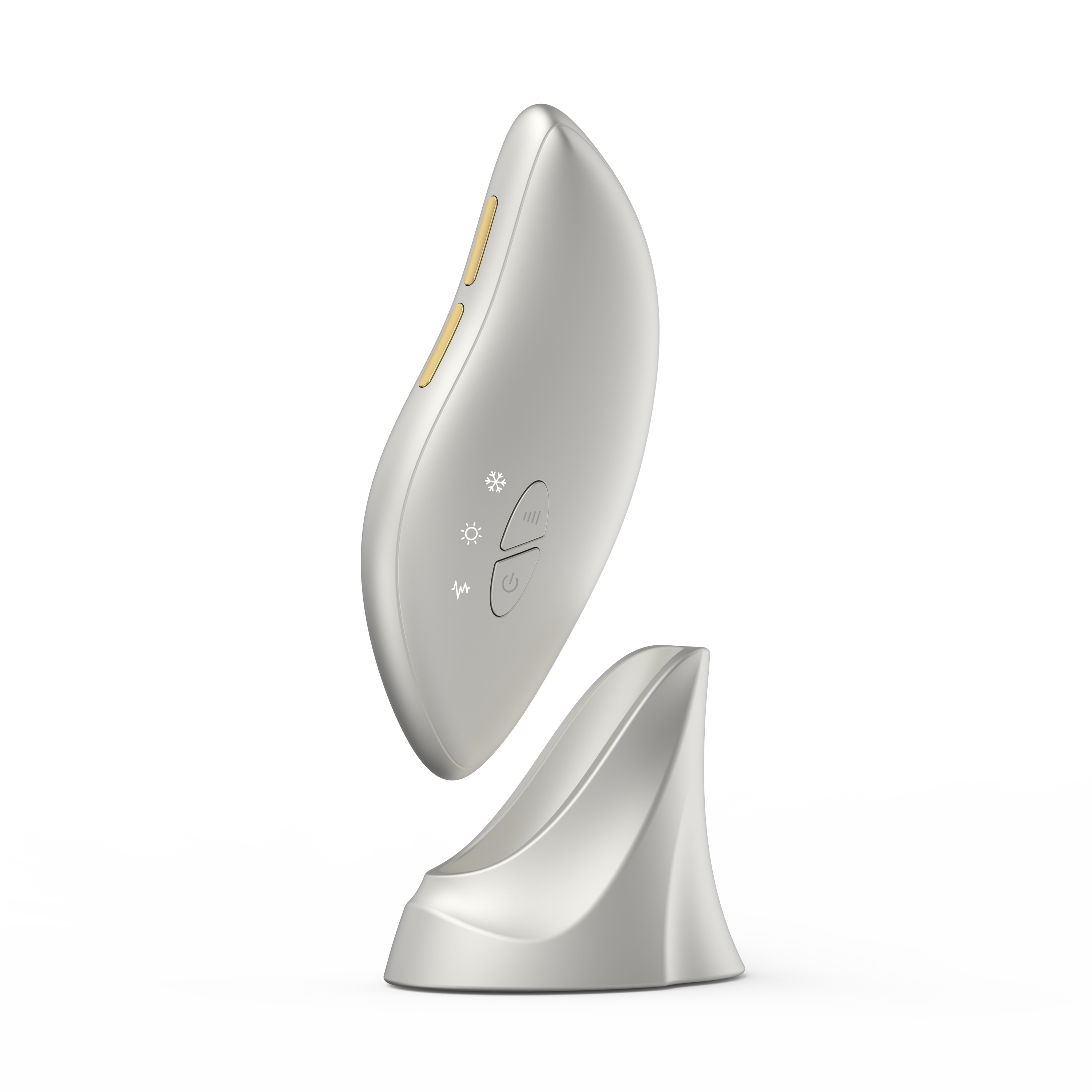
When shoppers compare a beauty device, the tempting answer is often “more functions must be better.” In practice, the better choice is the one that matches a routine people will actually keep. A multi-functional beauty device can make sense for someone building one streamlined at-home ritual. A single-function tool can be the smarter buy when one concern, one technology, and simple repeatable use matter most.
As a beauty-device selection advisor, I start with the goal rather than the feature list. It is easy to be drawn to a screen full of modes. But a device that spends most of its time in a drawer does not become more valuable because it has five extra settings.
Before choosing a beauty device, write down the one result you want to support in your regular routine. That might be a clearer cleansing step, a calming light-based session, or a gentle massage ritual. Keep the wording realistic: home tools can support a skincare routine, but they are not a substitute for professional diagnosis or treatment.
A single-function tool is designed around one job. That focus can make the purpose easier to understand, the instructions easier to follow, and the routine easier to repeat. A multi-functional beauty device combines two or more approaches in one unit, such as light, warmth, massage, microcurrent, or cleansing. The combination may reduce the number of tools on a vanity, but only if its individual modes fit the user’s needs.
A multi-functional beauty device is strongest when convenience is the real problem. Someone who wants a compact routine, travels often, or prefers to move through several non-conflicting steps with one device may value the consolidated format. For a brand or retailer, it can also offer a clearer “one device, several routine moments” story when the interface and instructions are genuinely simple.
There is a catch. More modes also create more decisions. If the controls are unclear, the session is too long, or the included functions feel unrelated, convenience turns into complexity. Many people initially assume that more features automatically mean more value. Later, they find that a focused routine they can maintain matters more than a long list of options they rarely use.
A single-function beauty device is often the better fit for a specific, stable priority. A person who only wants a dedicated cleansing brush, for example, may prefer a tool with one familiar operating pattern rather than a combined device that asks them to switch attachments and settings. This is not a lesser choice; it is a choice for clarity.
Focused tools can also make post-purchase feedback more meaningful. When there is one main function, it is easier for a user to describe what felt comfortable, what was inconvenient, and whether the tool was used consistently. That is useful information for both shoppers and product teams.
| Decision factor | Multi-functional beauty device | Single-function tool |
|---|---|---|
| Best for | People seeking a compact, flexible routine | People with one clear routine priority |
| Learning curve | Can be higher because modes and attachments need explanation | Usually lower because the task is narrowly defined |
| Daily consistency | Strong when the main modes are used regularly | Strong when the single task already fits an established habit |
| Perceived value | Depends on whether multiple functions are truly used | Depends on comfort, durability, and fit for the intended task |
| Product-selection risk | Buying features that look attractive but go unused | Buying a tool that later feels too limited for a changing routine |
This question exposes the core need. If one function carries almost all of the appeal, compare dedicated single-function tools first. If two or three functions would naturally be used in the same weekly routine, a multi-functional beauty device deserves a closer look.
If the answer requires a complicated sequence, the device may not suit a busy schedule. Clear instructions, care guidance, and sensible session timing matter more than a dramatic feature count. If skin is irritated, unusually sensitive, or under professional care, pause and seek appropriate advice before adding a new tool.
Read the instructions and marketing language closely. In the United States, FDA information distinguishes cosmetic regulation and claims from blanket assumptions about product approval; that does not tell you how to classify every beauty device. It does, however, reinforce a useful shopping habit: look for precise intended-use language instead of treating vague claims as proof of a particular outcome.
For a multi-functional beauty device, the winning design is not the one with the most modes. It is the one that makes the right modes easy to find, explains why they belong together, and avoids turning the routine into a manual-reading exercise. For a single-function tool, the priority is confidence in the essentials: intuitive handling, straightforward cleaning, consistent charging or power expectations, and a clear explanation of where it fits in the skincare routine.
Both formats benefit from honest boundaries. Avoid promising a universal result. Instead, show the intended routine, who may appreciate it, and the conditions under which users should slow down or choose another option. That approach is more useful than treating every feature as a reason to buy.
Neither format wins for everyone. Choose a multi-functional beauty device when its core modes solve real routine needs and you will use more than one of them consistently. Choose a single-function tool when one concern is dominant and simplicity will make regular use more likely.
A suitable beauty device is not necessarily the most complicated one or the most minimal one. It is the tool whose purpose, instructions, and place in the routine are clear enough to use with confidence week after week.

2026/10/30
Discover why in-house mold development helps an RF beauty device manufacturer improve product consistency, iteration speed, tooling control, and production readiness.

2026/10/30
Learn how to verify an RF beauty device manufacturer's R&D and prototyping capabilities using practical engineering workflows and audit checklists.

2026/10/30
Learn what shapes MOQ when choosing an RF beauty device manufacturer and how to plan a lower-risk first order with balanced platform and customization.

2026/10/30
Use this RF beauty device manufacturer evaluation checklist to compare safety evidence, OEM and ODM capability, quality control, and launch readiness.

2026/10/30
See how technology makes beauty at home more guided, consistent, and informed—plus a practical checklist for choosing devices wisely.

2026/10/30
Explore how AI and smart devices shape the future of beauty with responsive routines, clear guidance, trustworthy design, and user-controlled care.

Ideal for daily facial care routines, providing easy-to-use beauty solutions at home.

Perfect for spas and salons’ frequent treatments, enhancing client experiences and results.

Supports dermatologists with advanced devices for professional skin therapy sessions.

Delivers innovative solutions for full-body massage and relaxation with home devices.

Features anti-aging technologies to help reduce wrinkles and stimulate skin vitality.

Specialized devices for safe and effective hair removal suitable for home or clinic use.

Our customers love the Perfect Idea beauty devices. Quality, packaging, and results are all outstanding. We saw increased repeat sales after adding their facial cleansers to our lineup. Their support team is responsive and reliable.

Perfect Idea brings innovation and reliability to home beauty appliances. Our collaboration introduced their massage tools to Japanese women, boosting customer satisfaction and growing our brand trust across the region.

We partnered with Shenzhen Perfect Idea Tech for their beauty equipment. The shipping was fast and every product matched our expectations. Their home-use massagers are especially popular with local salons and home users.

The stylish packaging and attractive design make Perfect Idea stand out. French consumers appreciate the easy instructions and visible results. Communication was efficient and orders always arrived on time.

Perfect Idea home use personal care devices have become a favorite with our clients. The beauty device line offers quality at a reasonable price, and technical training for our staff made onboarding easy.

We selected Perfect Idea for our beauty product portfolio and have seen very positive feedback from our customers. Products are easy to market online and the customer support is reliable and helpful.
