 EN
Home Skincare
Ideal for daily facial care routines, providing easy-to-use beauty solutions at home.

2026/10/09
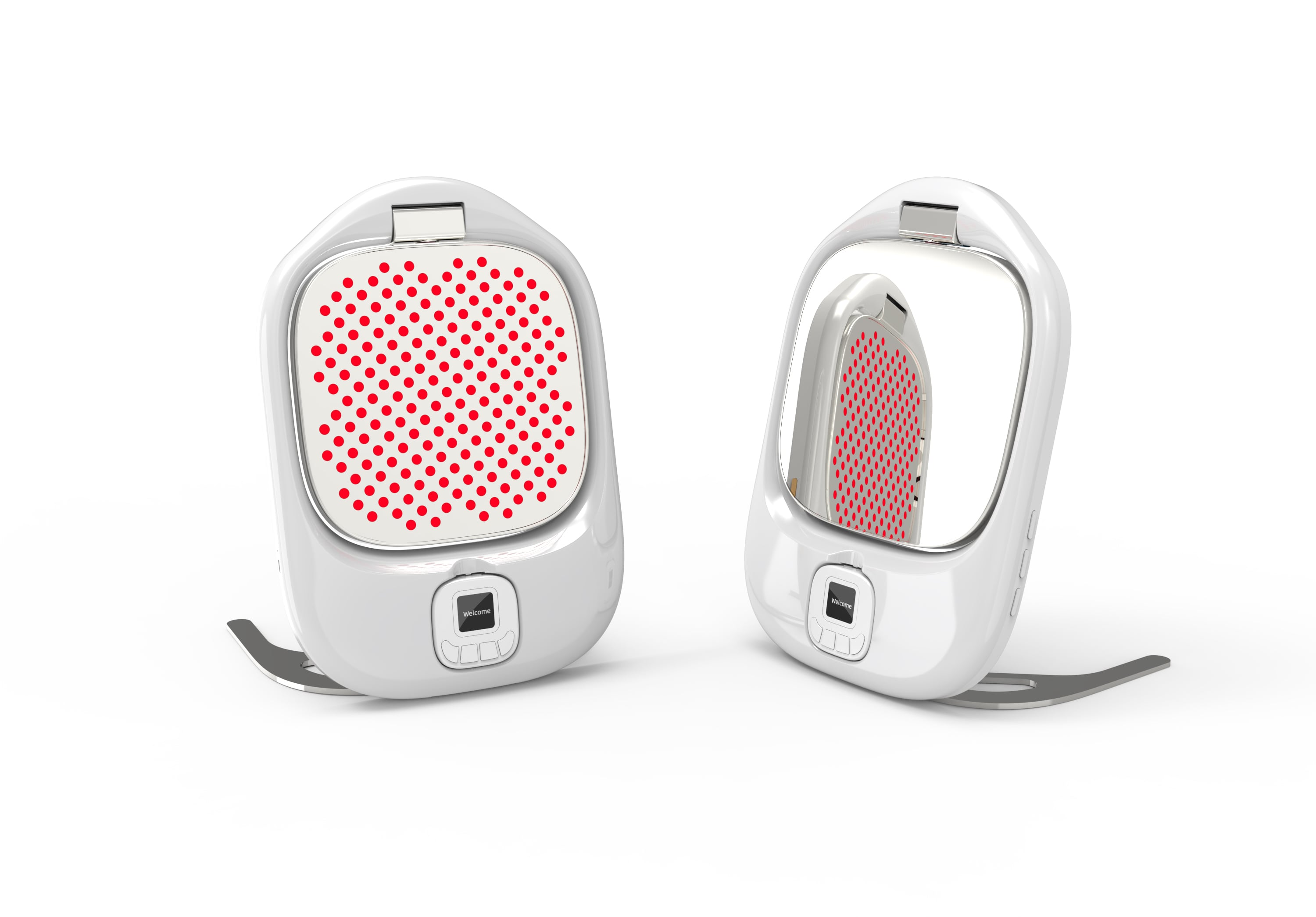
When people ask whether LED light therapy or laser treatment is better for skin rejuvenation, the useful answer is not “one wins.” They work in different ways, ask different things of your skin, and fit different goals. As a skin-care decision framework, the better choice depends on the concern you want to address, the downtime you can accept, your skin history, and whether you need an at-home maintenance routine or a clinician-led procedure.
LED light therapy is generally a non-thermal light-based approach. It is commonly used in clinics and home devices to support a skin-care routine aimed at concerns such as the visible signs of aging or occasional blemishes. Laser treatments use a more concentrated energy approach. Depending on the laser and treatment plan, a clinician may use that energy to target texture, pigment, scars, or more pronounced photoaging. That distinction matters more than a simple “stronger versus weaker” label.
If your goal is gentle, repeatable support with little or no recovery time, LED light therapy is often the more practical starting point. If your goal is a more targeted intervention for a defined concern such as deeper texture change, persistent pigment, or scars, a laser consultation may be more appropriate. Neither route promises a particular result, and neither replaces daily sun protection or professional medical advice.
| Question | LED light therapy | Laser treatment |
|---|---|---|
| How it is typically used | Repeated sessions or an at-home routine | Clinician-selected procedure plan |
| Energy approach | Usually non-thermal light exposure | More targeted laser energy; approach varies by device |
| Recovery expectation | Often minimal when used as directed | Can range from minimal to meaningful downtime |
| Key decision question | Can I be consistent with a gradual routine? | Is a professional assessment warranted for this concern? |
LED light therapy uses light-emitting diodes rather than a cutting or ablative mechanism. Red and near-infrared wavelengths are often discussed in relation to the appearance of fine lines and skin texture; other wavelengths are marketed for different concerns. Still, “color” alone is not a buying decision. Device design, treatment instructions, eye protection, consistency, and your individual skin condition all affect whether a routine is appropriate.
For many people, the appeal of LED light therapy is practical: it can fit around work, travel, and a simple home routine. It is not an instant resurfacing procedure. Think of it as low-frequency maintenance rather than a dramatic one-time reset. That framing helps avoid the common mistake of judging a device after two sessions or, at the other extreme, using it more often than its directions allow.
A realistic routine starts with clean, dry skin if the device instructions require it, follows the recommended timing, and leaves space to notice irritation or changes. If you have photosensitivity, take medications that affect light sensitivity, have an eye condition, or are managing an active skin condition, ask a qualified clinician before beginning LED light therapy.
“Laser” is a broad label, not one treatment. Some lasers are designed for superficial concerns, while others can be selected for pigment, vascular appearance, acne scars, or resurfacing goals. The clinician’s diagnosis, your skin tone, prior reactions, healing history, and willingness to follow aftercare are part of the treatment—not administrative details after the fact.
The potential trade-off is straightforward. A laser plan may offer a more focused way to address a specific concern, but it can also involve redness, sensitivity, a recovery period, and a greater need for aftercare. More intensity is not automatically better. For a person whose main goal is steady support for mild visible aging, a procedure with significant recovery may not be the sensible first step. Conversely, LED light therapy may feel too gradual when the concern needs a clinician’s targeted assessment.
For general maintenance, a temporary dull appearance, or an interest in a low-disruption routine, LED light therapy may align well with expectations. For established scars, pronounced texture change, or stubborn discoloration, begin with a dermatology or qualified laser-provider consultation. The point is not to self-diagnose; it is to choose a treatment category based on the problem you are trying to solve.
Low downtime does not mean no commitment. LED light therapy asks for consistency across sessions. Laser care may condense treatment into fewer appointments but can demand more planning around recovery, sun avoidance, and aftercare. Be honest about which commitment you can sustain. A manageable routine used correctly is more valuable than an impressive plan you abandon.
Both categories deserve care. Follow device instructions, protect your eyes as directed, avoid treating over a concern a clinician needs to examine, and do not combine active products or procedures casually. For laser treatment, choose a properly qualified provider and disclose your medical history, medications, pigment concerns, and history of scarring. For LED light therapy, check the intended use and do not turn a cosmetic device into a substitute for diagnosis.
Sometimes light-based support may be discussed as part of a broader professional plan, but timing is individual. Do not assume that an at-home device is automatically suitable immediately after a laser procedure. Your provider should determine when the skin barrier has recovered and whether LED light therapy fits your particular aftercare. This is especially important after more intensive resurfacing or if you experience unexpected redness, pain, blistering, or pigment change.
For everyday maintenance, LED light therapy is often the easier fit because its trade-off is consistency rather than recovery. For a targeted concern that merits a procedure, laser treatment may provide a more appropriate route under professional guidance. A sound result is not about picking the most powerful-looking technology. It is about selecting a plan your skin can tolerate, your schedule can support, and your qualified provider can explain clearly.
If you are considering an at-home device, use LED light therapy as a measured addition to a basic routine: gentle cleansing, moisturizing when appropriate, and daily sun protection. If you are considering a laser, bring photos, prior treatment history, and a clear description of your goal to the consultation. That preparation leads to a better conversation than asking which technology is universally superior.

2026/10/30
Discover why in-house mold development helps an RF beauty device manufacturer improve product consistency, iteration speed, tooling control, and production readiness.

2026/10/30
Learn how to verify an RF beauty device manufacturer's R&D and prototyping capabilities using practical engineering workflows and audit checklists.

2026/10/30
Learn what shapes MOQ when choosing an RF beauty device manufacturer and how to plan a lower-risk first order with balanced platform and customization.

2026/10/30
Use this RF beauty device manufacturer evaluation checklist to compare safety evidence, OEM and ODM capability, quality control, and launch readiness.

2026/10/30
See how technology makes beauty at home more guided, consistent, and informed—plus a practical checklist for choosing devices wisely.

2026/10/30
Explore how AI and smart devices shape the future of beauty with responsive routines, clear guidance, trustworthy design, and user-controlled care.

Ideal for daily facial care routines, providing easy-to-use beauty solutions at home.

Perfect for spas and salons’ frequent treatments, enhancing client experiences and results.

Supports dermatologists with advanced devices for professional skin therapy sessions.

Delivers innovative solutions for full-body massage and relaxation with home devices.

Features anti-aging technologies to help reduce wrinkles and stimulate skin vitality.

Specialized devices for safe and effective hair removal suitable for home or clinic use.

Our customers love the Perfect Idea beauty devices. Quality, packaging, and results are all outstanding. We saw increased repeat sales after adding their facial cleansers to our lineup. Their support team is responsive and reliable.

Perfect Idea brings innovation and reliability to home beauty appliances. Our collaboration introduced their massage tools to Japanese women, boosting customer satisfaction and growing our brand trust across the region.

We partnered with Shenzhen Perfect Idea Tech for their beauty equipment. The shipping was fast and every product matched our expectations. Their home-use massagers are especially popular with local salons and home users.

The stylish packaging and attractive design make Perfect Idea stand out. French consumers appreciate the easy instructions and visible results. Communication was efficient and orders always arrived on time.

Perfect Idea home use personal care devices have become a favorite with our clients. The beauty device line offers quality at a reasonable price, and technical training for our staff made onboarding easy.

We selected Perfect Idea for our beauty product portfolio and have seen very positive feedback from our customers. Products are easy to market online and the customer support is reliable and helpful.
