 EN
Home Skincare
Ideal for daily facial care routines, providing easy-to-use beauty solutions at home.

2026/09/28
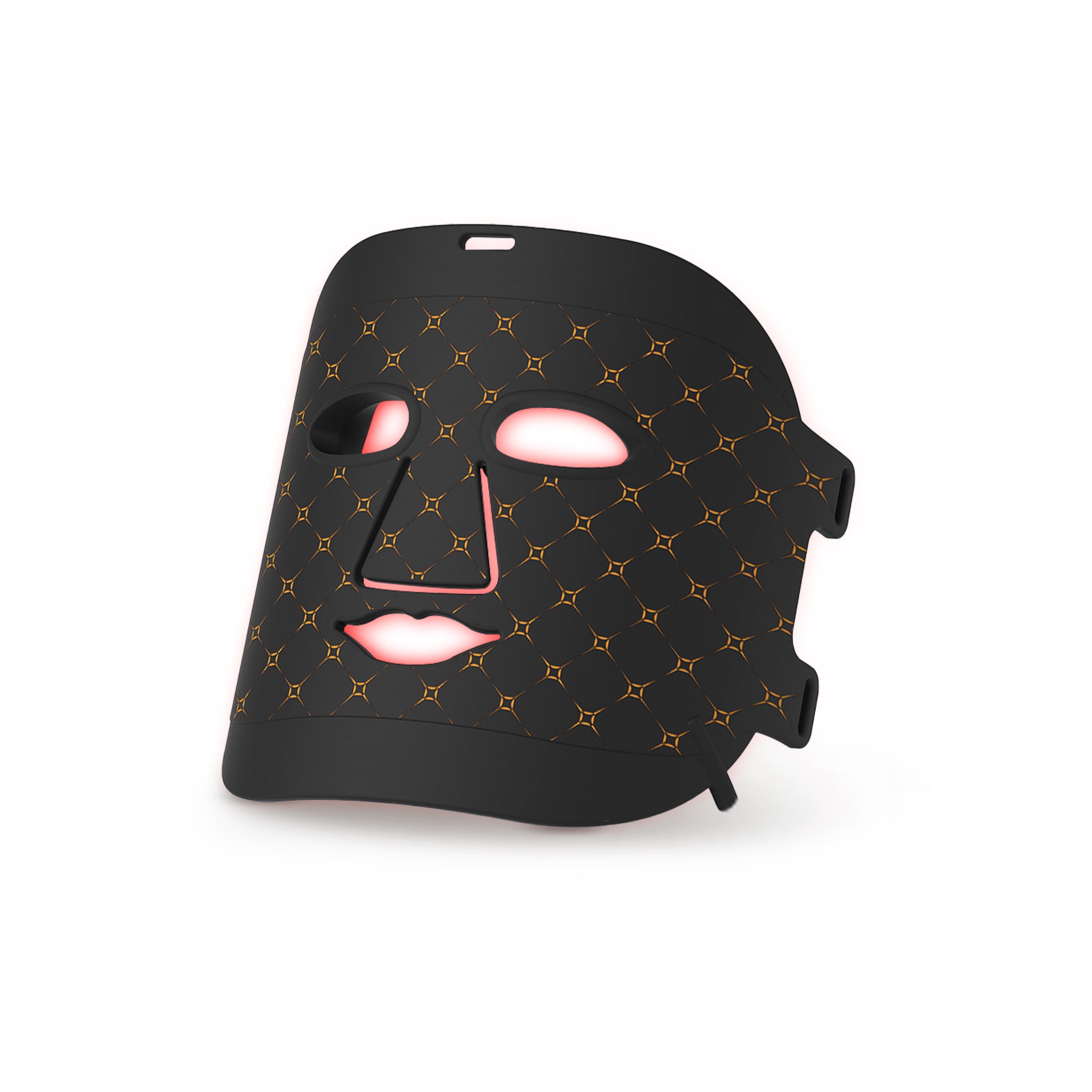
Hard training can leave muscles feeling heavy, stiff, or slow to settle. A red light therapy panel may be a useful recovery ritual, but it works when you treat it as one small part of a larger plan that includes sleep, food, hydration, and sensible training volume. It is not a shortcut around an injury or a substitute for medical advice.
As a home wellness-device advisor, I suggest starting with the routine rather than chasing a long feature list. The goal is simple: use a red light therapy panel consistently, at a comfortable distance, on the muscle group you trained, while following the manufacturer’s instructions.
These panels typically use red and near-infrared LEDs. Published photobiomodulation research has commonly examined red wavelengths in roughly the 630–660 nm range and near-infrared wavelengths around 808–950 nm. That background helps explain why many panels combine both light ranges. It does not mean every panel, dose, or workout produces the same result.
Research on light-based recovery has explored fatigue, discomfort, and recovery markers, but protocols vary widely. Think of a red light therapy panel as supportive care for normal post-exercise recovery, not a treatment for a tear, severe pain, unexplained swelling, or a loss of strength. If pain is sharp, worsening, or changes how you move, pause training and consult an appropriate clinician.
The most practical time to use a red light therapy panel is when you can be consistent—often after you cool down, shower, and rehydrate. There is no universal ideal minute after exercise. Following the device manual matters more than forcing an aggressive schedule.
Panel size and positioning influence convenience. For a large group such as the glutes or thighs, stand or sit so the target area faces the red light therapy panel without twisting. For calves, forearms, or one shoulder, a smaller coverage area may be easier to manage in sections. Repositioning is fine; keep the plan simple enough that you will repeat it.
Many people initially focus only on technical specifications. A more useful question is whether the panel’s coverage, timer, mounting options, and controls fit your recovery space. If your setup requires awkward balancing or constant adjustment, consistency usually drops.
A red light therapy panel should sit beside the fundamentals. After a demanding session, begin with a gradual cool-down, fluid intake, and a meal or snack appropriate for your needs. Prioritize sleep, because no device replaces it. Light walking, mobility work, or a low-intensity recovery day may also be more relevant than adding another passive tool.
Use a brief training note: session type, muscle area, panel setting, and how you feel the next morning. This is not a clinical test, but it can help you see whether the habit is helping your routine. If soreness repeatedly disrupts training, examine workload, technique, and recovery time first.
For a new user, choose a few post-workout sessions per week and use the lowest practical exposure permitted by the product instructions. Keep the setup identical for two weeks: same body area, similar position, same duration. Then decide whether the red light therapy panel deserves a place in your recovery routine. If your priority is convenience, look for a stable setup and clear controls; if your priority is broader coverage, make sure you can position the panel safely.
The balanced conclusion is straightforward: a red light therapy panel may complement healthy recovery habits, particularly when its use is comfortable, consistent, and manufacturer-guided. Manage expectations, protect your eyes, and let your actual training response—not marketing language—determine whether it is worth keeping.

2026/10/30
Discover why in-house mold development helps an RF beauty device manufacturer improve product consistency, iteration speed, tooling control, and production readiness.

2026/10/30
Learn how to verify an RF beauty device manufacturer's R&D and prototyping capabilities using practical engineering workflows and audit checklists.

2026/10/30
Learn what shapes MOQ when choosing an RF beauty device manufacturer and how to plan a lower-risk first order with balanced platform and customization.

2026/10/30
Use this RF beauty device manufacturer evaluation checklist to compare safety evidence, OEM and ODM capability, quality control, and launch readiness.

2026/10/30
See how technology makes beauty at home more guided, consistent, and informed—plus a practical checklist for choosing devices wisely.

2026/10/30
Explore how AI and smart devices shape the future of beauty with responsive routines, clear guidance, trustworthy design, and user-controlled care.

Ideal for daily facial care routines, providing easy-to-use beauty solutions at home.

Perfect for spas and salons’ frequent treatments, enhancing client experiences and results.

Supports dermatologists with advanced devices for professional skin therapy sessions.

Delivers innovative solutions for full-body massage and relaxation with home devices.

Features anti-aging technologies to help reduce wrinkles and stimulate skin vitality.

Specialized devices for safe and effective hair removal suitable for home or clinic use.

Our customers love the Perfect Idea beauty devices. Quality, packaging, and results are all outstanding. We saw increased repeat sales after adding their facial cleansers to our lineup. Their support team is responsive and reliable.

Perfect Idea brings innovation and reliability to home beauty appliances. Our collaboration introduced their massage tools to Japanese women, boosting customer satisfaction and growing our brand trust across the region.

We partnered with Shenzhen Perfect Idea Tech for their beauty equipment. The shipping was fast and every product matched our expectations. Their home-use massagers are especially popular with local salons and home users.

The stylish packaging and attractive design make Perfect Idea stand out. French consumers appreciate the easy instructions and visible results. Communication was efficient and orders always arrived on time.

Perfect Idea home use personal care devices have become a favorite with our clients. The beauty device line offers quality at a reasonable price, and technical training for our staff made onboarding easy.

We selected Perfect Idea for our beauty product portfolio and have seen very positive feedback from our customers. Products are easy to market online and the customer support is reliable and helpful.
