 EN
Home Skincare
Ideal for daily facial care routines, providing easy-to-use beauty solutions at home.

2026/10/22
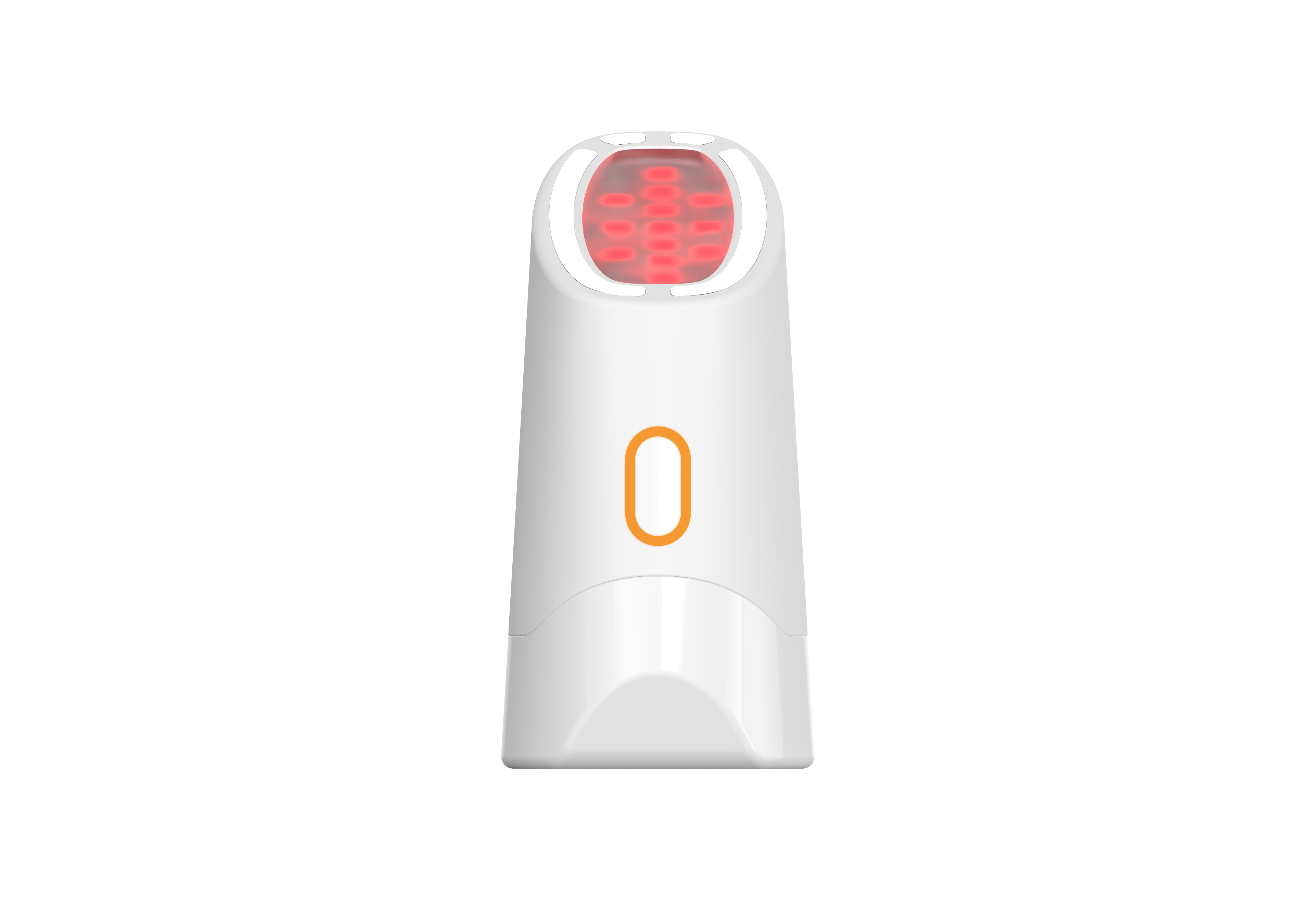
Using red light therapy for the face and body can be a simple part of a home-care routine, but the two areas should not be treated as interchangeable. Facial skin is usually more reactive and sits close to the eyes; body treatments often involve larger areas, a different stance or distance, and more time spent positioning the device. A practical routine starts with the device manual, clean dry skin, and a conservative schedule rather than the idea that more exposure must deliver better results.
From a skin-management perspective, the useful question is not “How long can I use red light therapy?” but “What is the shortest, most consistent routine that my device instructions support?” Product directions remain the authority for distance, session length, eye protection, and frequency. This guide offers a careful way to organize both treatments without making medical promises.
Before treating either area, check that the device is intended for home cosmetic use and read its instructions from start to finish. Red and near-infrared devices are commonly discussed in wavelength ranges around 630–660 nm and 830–850 nm, but those ranges alone do not define the right treatment plan. Irradiance, treatment distance, and timing vary by device, so copying a routine from another product can lead to an unsuitable dose.
People with light sensitivity, a history of photosensitive reactions, or medicines that can increase photosensitivity should speak with an appropriate healthcare professional before beginning. Red light therapy is not a replacement for medical evaluation of a skin concern.
For facial red light therapy, keep the routine deliberately simple. Start with the recommended distance and the shortest approved session setting. Position your face squarely toward the light so that the forehead, cheeks, and chin receive even coverage. Avoid moving repeatedly toward and away from the source: consistent distance makes a session more repeatable.
Facial skin can be a useful early indicator of whether a schedule is too ambitious. If you notice persistent irritation or dryness, pause and reassess rather than adding more sessions. In everyday use, steady moderate treatment is generally more sensible than stacking sessions to chase a quick change.
Body red light therapy is often easier with a larger panel because it can cover areas such as the neck, chest, arms, legs, or back without requiring awkward angles. Divide treatment into manageable zones. For example, treat the front of the legs, then reposition for the back only if the device directions support that total exposure. Large-area use should still follow the stated session limits.
Wear loose clothing or expose only the area you plan to treat, and keep the surface dry. For areas that are hard to reach, use a stable stand or ask for assistance rather than holding a device at an unsafe angle. A stable setup matters more than adding extra minutes; users often simplify the steps over time, and that can unintentionally change distance or coverage.
A simple sequence is face first, body second. Complete the facial session while you are seated and focused, then reposition the panel for the body area. Keep a brief note of the date, body zone, and settings used. That record can help you follow the device guidance consistently and notice when you have accidentally increased frequency.
| Routine element | Face | Body |
|---|---|---|
| Positioning | Centered, steady distance, eye protection as directed | Stable panel placement and supported posture |
| Coverage | Forehead, cheeks, chin with even orientation | One practical zone at a time |
| Timing | Use the device facial setting | Follow the device's total-area and session guidance |
| Aftercare | Return to a gentle established routine | Observe comfort and avoid heat or friction if skin feels sensitive |
The most common mistake with red light therapy is treating a longer session as automatically better. A stronger-looking specification, more frequent use, or a closer distance does not necessarily make a home routine more appropriate. Another mistake is using facial and body sessions with no attention to comfort, device instructions, or cumulative exposure.
Begin with the frequency and session length in your device manual. If it allows separate face and body use, schedule them at times you can repeat comfortably—for instance, a short face session followed by one body zone on designated routine days. Do not add a compensating double session because you missed a day. Consistency is about following appropriate directions over time, not making up for a missed treatment.
Review your setup every few weeks. Check the device surface, stand, cables, and eye protection; confirm that you are still using the intended distance; and reassess whether your skin remains comfortable. If you have questions about a health condition, medication, pregnancy, eye health, or a new skin reaction, stop and ask a qualified professional rather than guessing.
A practical way to use red light therapy for face and body treatments is to create two clear, device-guided routines: careful positioning and eye guidance for the face, stable zone-by-zone coverage for the body. Start conservatively, keep the setup repeatable, and let comfort and the manufacturer’s instructions set the boundaries. That approach supports a more manageable home routine without overpromising what red light therapy can do.

2026/10/30
Discover why in-house mold development helps an RF beauty device manufacturer improve product consistency, iteration speed, tooling control, and production readiness.

2026/10/30
Learn how to verify an RF beauty device manufacturer's R&D and prototyping capabilities using practical engineering workflows and audit checklists.

2026/10/30
Learn what shapes MOQ when choosing an RF beauty device manufacturer and how to plan a lower-risk first order with balanced platform and customization.

2026/10/30
Use this RF beauty device manufacturer evaluation checklist to compare safety evidence, OEM and ODM capability, quality control, and launch readiness.

2026/10/30
See how technology makes beauty at home more guided, consistent, and informed—plus a practical checklist for choosing devices wisely.

2026/10/30
Explore how AI and smart devices shape the future of beauty with responsive routines, clear guidance, trustworthy design, and user-controlled care.

Ideal for daily facial care routines, providing easy-to-use beauty solutions at home.

Perfect for spas and salons’ frequent treatments, enhancing client experiences and results.

Supports dermatologists with advanced devices for professional skin therapy sessions.

Delivers innovative solutions for full-body massage and relaxation with home devices.

Features anti-aging technologies to help reduce wrinkles and stimulate skin vitality.

Specialized devices for safe and effective hair removal suitable for home or clinic use.

Our customers love the Perfect Idea beauty devices. Quality, packaging, and results are all outstanding. We saw increased repeat sales after adding their facial cleansers to our lineup. Their support team is responsive and reliable.

Perfect Idea brings innovation and reliability to home beauty appliances. Our collaboration introduced their massage tools to Japanese women, boosting customer satisfaction and growing our brand trust across the region.

We partnered with Shenzhen Perfect Idea Tech for their beauty equipment. The shipping was fast and every product matched our expectations. Their home-use massagers are especially popular with local salons and home users.

The stylish packaging and attractive design make Perfect Idea stand out. French consumers appreciate the easy instructions and visible results. Communication was efficient and orders always arrived on time.

Perfect Idea home use personal care devices have become a favorite with our clients. The beauty device line offers quality at a reasonable price, and technical training for our staff made onboarding easy.

We selected Perfect Idea for our beauty product portfolio and have seen very positive feedback from our customers. Products are easy to market online and the customer support is reliable and helpful.
