 EN
Home Skincare
Ideal for daily facial care routines, providing easy-to-use beauty solutions at home.

2026/09/19
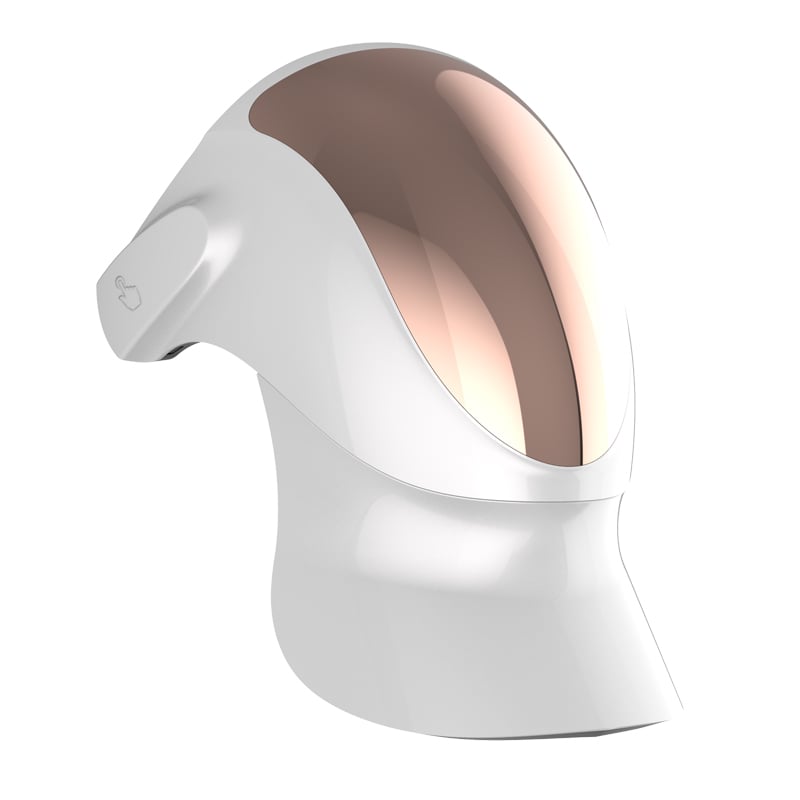
Using one light-based device for your face and scalp can sound efficient, but the useful question is not whether the two areas are identical. They are not. A sensible led therapy routine respects the different goals, the device instructions, and the limits of what at-home light can do. On the face, people often use red or near-infrared light as part of a skincare routine aimed at the visible signs of aging or temporary inflammation. On the scalp, low-level light is commonly discussed as a non-invasive option for certain forms of thinning, particularly hereditary hair loss.
From a skin-management perspective, the most repeatable routine is usually the least complicated one: choose a device intended for the area you plan to treat, use it consistently within its labeled schedule, and keep expectations realistic. If hair loss is sudden, patchy, painful, or accompanied by scalp changes, a light device is not the place to start. Ask a dermatologist for an assessment first.
The word led therapy covers a broad category of non-UV light treatments. That does not mean every color, attachment, or schedule applies equally to facial skin and the scalp. Facial use is generally framed around cosmetic skin concerns such as fine lines, uneven-looking tone, or blemish-related inflammation. Scalp use has a different target: supporting a hair-loss plan when the cause and the device indication make sense.
That distinction matters because hair follicles sit beneath hair and because a mask that sits evenly on the face may not deliver light to the scalp in the same way. Do not assume that a face mask automatically replaces a helmet, cap, comb, or panel designed to reach the scalp. Conversely, do not use a scalp device over the face unless its manufacturer explicitly permits that use and provides eye-safety instructions.
A practical approach is to give each area its own short session on the schedule specified for the device. Check the manual before combining sessions: treatment duration, distance from the skin, and recommended weekly frequency vary by product. More exposure is not automatically better. If your device has a timer, use it rather than extending the session because you missed a day.
There is no universal weekly schedule for led therapy; the device label is the controlling instruction. If the labeled plan allows treatment of both areas on the same day, it is reasonable to do the facial session and the scalp session separately, with a brief break for repositioning and cleaning. If the process feels too long, alternate days rather than doubling treatment time.
Here is a conservative way to make the habit sustainable: tie facial treatment to an existing evening skincare step, then use the scalp device on the days you already wash or style your hair. The aim is regular use, not a punishing ritual. Many people expect a dramatic change after a few sessions; a more useful mindset is to reassess after the full labeled trial period. Results, if any, vary by person and by the concern being treated.
For facial use, apply leave-on products after the session unless your device manual specifically says otherwise. This avoids transferring product to the device and makes it easier to notice whether a new serum, rather than the light session, is causing irritation. If you use prescription acne medication, retinoids, or photosensitizing products, ask the prescribing clinician or pharmacist about compatibility.
For the scalp, do not let a light routine replace a diagnosis or a prescribed treatment. Hair shedding can have many causes, including hereditary pattern loss, inflammation, medication effects, nutritional issues, or stress-related shedding. The American Academy of Dermatology notes that low-level light therapy may be a safe, non-invasive, potentially effective option for hereditary hair loss, but a dermatologist can help determine whether it belongs in your plan. That is a useful boundary: led therapy may support a routine; it cannot identify the cause of shedding.
The first mistake is treating a higher dose as a shortcut. It is tempting to add extra minutes when progress feels slow, but following the instructions is safer and makes your experience easier to evaluate. The second is using a facial device through a thick layer of hair and calling it scalp treatment. The third is changing every other part of your skincare and hair routine at once. If you add a new serum, a new shampoo, and led therapy in the same week, it becomes difficult to identify what is helping or irritating your skin.
Another common problem is skipping the medical conversation when the hair pattern is a warning sign. Rapid shedding, circular bald patches, scalp pain, scaling, or loss of eyebrows can need prompt evaluation. A device routine should not delay that care.
Before each led therapy session, confirm the device is intended for the treatment area, your skin is comfortable, and the timer is set to the labeled duration. During led therapy, keep the device position consistent and avoid looking directly at the light. After led therapy, clean the contact surface and note any irritation. This small led therapy checklist makes a shared face-and-scalp routine easier to follow without adding unnecessary exposure.
If you are unsure whether led therapy fits your hair concern, bring your device instructions and progress photos to a dermatologist. That conversation can help you use led therapy as one measured part of care rather than as a stand-alone answer. For facial goals, the same rule applies: led therapy is easier to evaluate when the routine remains gentle and consistent.
After the device’s recommended trial period, review the basics: Were you consistent? Did you use the appropriate device for each area? Was your skin comfortable? Are scalp photos comparable in lighting, part placement, and angle? For facial goals, look for gradual changes in how your skin looks and feels rather than an overnight transformation. For hair goals, focus on a clinician-guided plan and objective tracking rather than counting hairs day to day.
In short, you can use led therapy for facial skin and scalp hair concerns in the same overall routine when the device directions support both uses or when you use purpose-built tools. Keep sessions separate, protect your eyes, clean the equipment, and avoid turning light treatment into a substitute for diagnosis. A steady, safety-first routine is more valuable than an aggressive one.

2026/10/30
Discover why in-house mold development helps an RF beauty device manufacturer improve product consistency, iteration speed, tooling control, and production readiness.

2026/10/30
Learn how to verify an RF beauty device manufacturer's R&D and prototyping capabilities using practical engineering workflows and audit checklists.

2026/10/30
Learn what shapes MOQ when choosing an RF beauty device manufacturer and how to plan a lower-risk first order with balanced platform and customization.

2026/10/30
Use this RF beauty device manufacturer evaluation checklist to compare safety evidence, OEM and ODM capability, quality control, and launch readiness.

2026/10/30
See how technology makes beauty at home more guided, consistent, and informed—plus a practical checklist for choosing devices wisely.

2026/10/30
Explore how AI and smart devices shape the future of beauty with responsive routines, clear guidance, trustworthy design, and user-controlled care.

Ideal for daily facial care routines, providing easy-to-use beauty solutions at home.

Perfect for spas and salons’ frequent treatments, enhancing client experiences and results.

Supports dermatologists with advanced devices for professional skin therapy sessions.

Delivers innovative solutions for full-body massage and relaxation with home devices.

Features anti-aging technologies to help reduce wrinkles and stimulate skin vitality.

Specialized devices for safe and effective hair removal suitable for home or clinic use.

Our customers love the Perfect Idea beauty devices. Quality, packaging, and results are all outstanding. We saw increased repeat sales after adding their facial cleansers to our lineup. Their support team is responsive and reliable.

Perfect Idea brings innovation and reliability to home beauty appliances. Our collaboration introduced their massage tools to Japanese women, boosting customer satisfaction and growing our brand trust across the region.

We partnered with Shenzhen Perfect Idea Tech for their beauty equipment. The shipping was fast and every product matched our expectations. Their home-use massagers are especially popular with local salons and home users.

The stylish packaging and attractive design make Perfect Idea stand out. French consumers appreciate the easy instructions and visible results. Communication was efficient and orders always arrived on time.

Perfect Idea home use personal care devices have become a favorite with our clients. The beauty device line offers quality at a reasonable price, and technical training for our staff made onboarding easy.

We selected Perfect Idea for our beauty product portfolio and have seen very positive feedback from our customers. Products are easy to market online and the customer support is reliable and helpful.
