 EN
Home Skincare
Ideal for daily facial care routines, providing easy-to-use beauty solutions at home.

2026/10/07
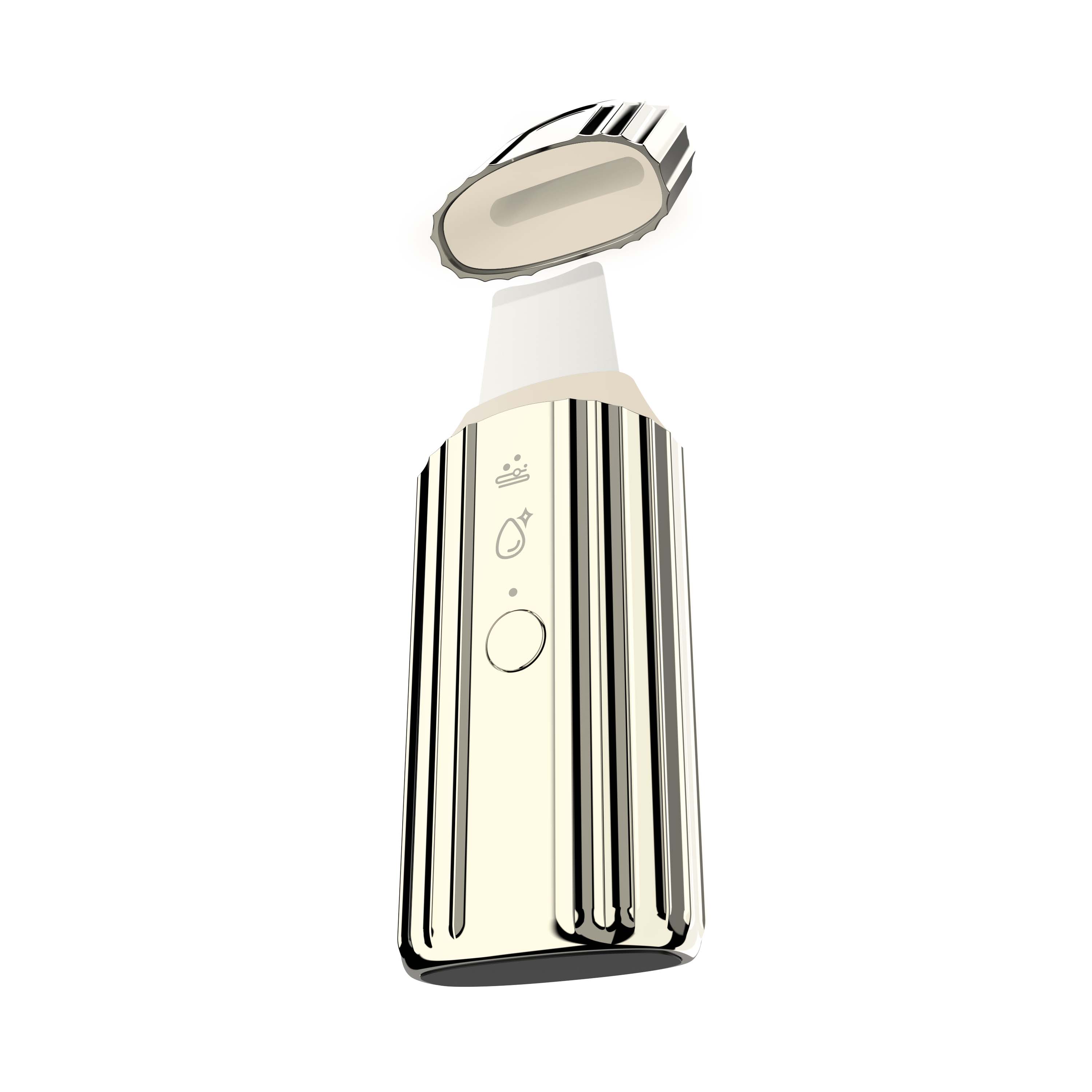
When your face looks puffy after a short night, a salty meal, or a long flight, it is tempting to reach for a tool and press harder. That is usually the wrong instinct. The most useful beauty tools for a simple at-home lymphatic-drainage routine are not about force, “detoxing,” or changing facial structure. They are a way to make a few minutes of light, comfortable massage easier to repeat.
In regular home-device routines, the useful lesson is usually less glamorous: a gentle technique you repeat beats a drawer full of gadgets. A roller, a smooth gua sha-style stone, or clean hands can all work. Choose the option that lets you keep pressure feather-light and follow the shape of your face without tugging your skin.
Lymphatic drainage massage is a light, gentle technique. In a cosmetic home routine, its most realistic role is temporary support for the look of morning puffiness and a more refreshed appearance. It is not a substitute for medical assessment, and it does not permanently sculpt your face, remove fat, or treat a lymphatic condition.
This distinction matters because beauty tools are often marketed with dramatic language. A cool roller may feel soothing; a smooth massage tool may help you slow down and use even strokes. Neither needs intense pressure to be useful. If your skin becomes red, sore, numb, or more swollen, stop rather than trying to “push through.”
For a short morning routine, beauty tools should make a gentle technique easier, not make it more intense. A simple, easy-to-clean shape is usually enough.
For this purpose, the most suitable beauty tools are uncomplicated. Pick one of these and learn its feel before adding anything else:
Skip any device that pinches, vibrates aggressively, heats the area, or encourages you to use hard pressure. More features do not automatically make beauty tools more effective for this narrow job. The right tool is the one that glides easily and does not turn your routine into a workout.
Before you begin, check that your beauty tools are clean, smooth, and comfortable to hold. If a tool catches, leave it out of the routine.
Start with clean hands and a clean tool. Apply a small amount of a familiar, non-irritating serum, facial oil, or moisturizer that gives slip. You should be able to move the tool without stretching the skin. If you have active irritation, a fresh peel, sunburn, broken skin, or a painful breakout, leave the area alone until it is calm.
It also helps to sit upright, relax your shoulders, and take a few unhurried breaths. Many people rush directly to the cheeks. A better approach is to begin lower down, where the neck meets the collarbone, then work upward in a light sequence. Think of the contact as guiding the surface of the skin, not compressing tissue underneath it.
Use the following routine for roughly three to five minutes. With any of these beauty tools, use minimal pressure—about the amount needed to move a thin layer of moisturizer. Repeat each pass three to five times, slowly.
It is easy to skip that final return. The point of the sequence is a calm, orderly routine, not an attempt to force fluid out of your face. If the tool skips, add a little more slip instead of pressing harder.
The safest beauty tools are the ones you can use lightly and consistently, without turning a skincare step into a forceful massage.
Hard scraping can leave temporary marks, irritation, or tenderness. High pressure is not evidence that beauty tools are working. Scale back until each stroke feels calming.
A less puffy look can be temporary and varies with sleep, allergies, hydration, and skin sensitivity. A practical routine supports comfort and appearance; it should not create a promise your skin cannot keep.
Not all facial swelling is ordinary morning puffiness. Persistent, one-sided, painful, sudden, or unexplained swelling deserves clinical advice. Do not use beauty tools to delay getting help for a problem that needs evaluation.
Even familiar beauty tools are not appropriate when symptoms point beyond routine cosmetic puffiness.
Do not treat this as medical lymphatic therapy. Pause and ask a qualified clinician before trying facial lymphatic massage if you have a diagnosed lymphatic condition, active infection or fever, unexplained swelling, a blood-clot history, significant heart or kidney concerns, recent surgery, or cancer treatment. The same applies if you have been given specific post-procedure instructions. For a healthy adult dealing with occasional cosmetic puffiness, the key is still a light touch, clean beauty tools, and sensible expectations.
Keep your chosen beauty tools where you will actually use them, then wash and dry them after each session.
Put one clean tool beside the products you already use in the morning. Two or three minutes a few times a week is more realistic than a complicated ritual you abandon after three days. Many people initially think a more expensive device must give a better result, but a comfortable technique and regular use are usually the more useful priorities.
Choose beauty tools that glide, keep each stroke soft, move from the neck across the face and then back down, and stop if anything feels wrong. That approach keeps an at-home routine firmly in the realm of gentle cosmetic self-care.

2026/10/30
Discover why in-house mold development helps an RF beauty device manufacturer improve product consistency, iteration speed, tooling control, and production readiness.

2026/10/30
Learn how to verify an RF beauty device manufacturer's R&D and prototyping capabilities using practical engineering workflows and audit checklists.

2026/10/30
Learn what shapes MOQ when choosing an RF beauty device manufacturer and how to plan a lower-risk first order with balanced platform and customization.

2026/10/30
Use this RF beauty device manufacturer evaluation checklist to compare safety evidence, OEM and ODM capability, quality control, and launch readiness.

2026/10/30
See how technology makes beauty at home more guided, consistent, and informed—plus a practical checklist for choosing devices wisely.

2026/10/30
Explore how AI and smart devices shape the future of beauty with responsive routines, clear guidance, trustworthy design, and user-controlled care.

Ideal for daily facial care routines, providing easy-to-use beauty solutions at home.

Perfect for spas and salons’ frequent treatments, enhancing client experiences and results.

Supports dermatologists with advanced devices for professional skin therapy sessions.

Delivers innovative solutions for full-body massage and relaxation with home devices.

Features anti-aging technologies to help reduce wrinkles and stimulate skin vitality.

Specialized devices for safe and effective hair removal suitable for home or clinic use.

Our customers love the Perfect Idea beauty devices. Quality, packaging, and results are all outstanding. We saw increased repeat sales after adding their facial cleansers to our lineup. Their support team is responsive and reliable.

Perfect Idea brings innovation and reliability to home beauty appliances. Our collaboration introduced their massage tools to Japanese women, boosting customer satisfaction and growing our brand trust across the region.

We partnered with Shenzhen Perfect Idea Tech for their beauty equipment. The shipping was fast and every product matched our expectations. Their home-use massagers are especially popular with local salons and home users.

The stylish packaging and attractive design make Perfect Idea stand out. French consumers appreciate the easy instructions and visible results. Communication was efficient and orders always arrived on time.

Perfect Idea home use personal care devices have become a favorite with our clients. The beauty device line offers quality at a reasonable price, and technical training for our staff made onboarding easy.

We selected Perfect Idea for our beauty product portfolio and have seen very positive feedback from our customers. Products are easy to market online and the customer support is reliable and helpful.
