 EN
Home Skincare
Ideal for daily facial care routines, providing easy-to-use beauty solutions at home.

2026/10/17
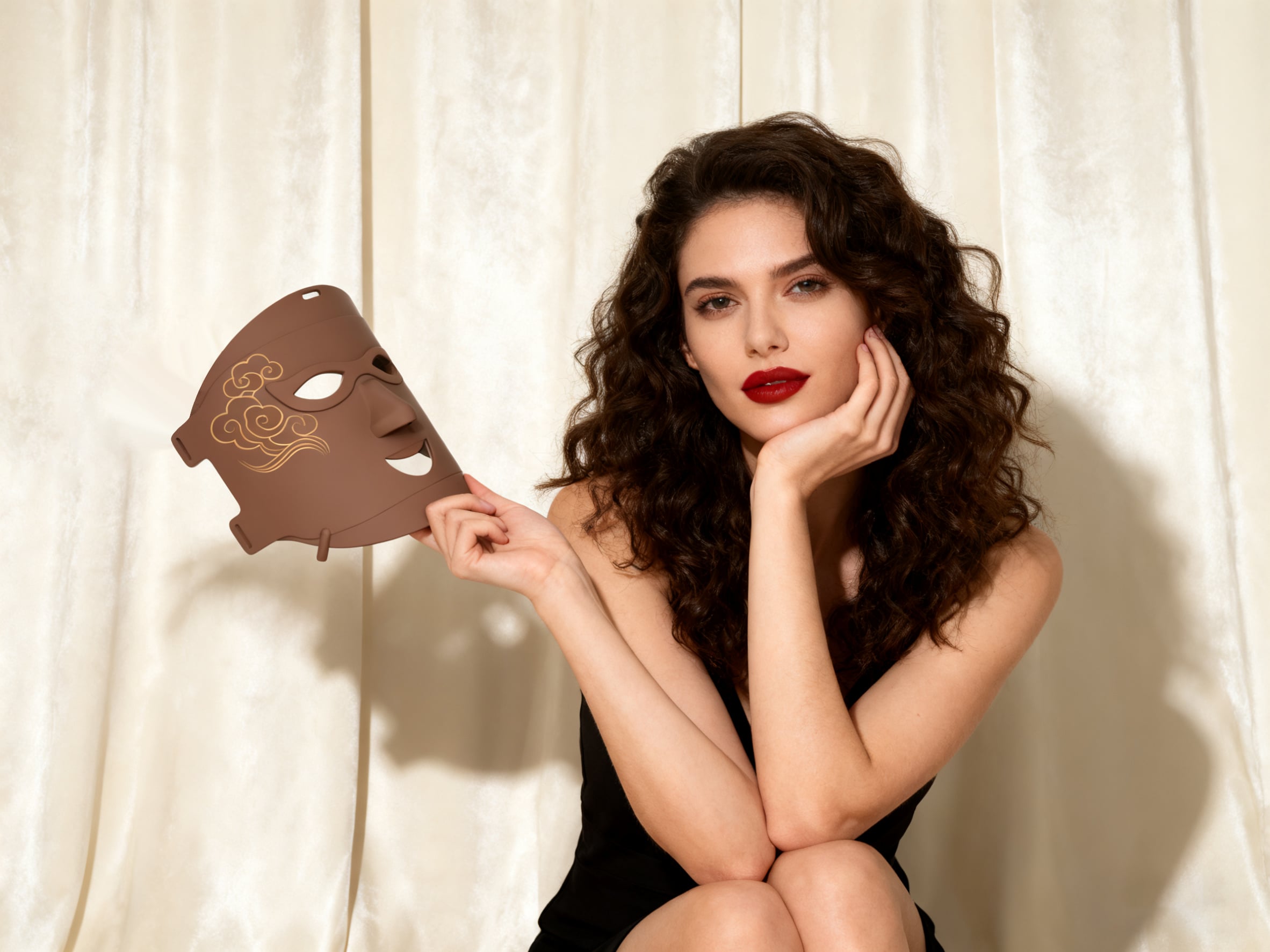
If your skin is dealing with breakouts and early signs of aging at the same time, the goal is not to find one aggressive face mask that promises to fix everything. It is to use a face mask as a targeted, occasional step in a routine that protects your skin barrier. Acne-prone skin can become more reactive when it is over-cleansed or over-exfoliated, while a comfortable, well-hydrated barrier helps skin look smoother and more even.
Think of a face mask as support, not as the foundation of treatment. Daily essentials—gentle cleansing, a suitable moisturizer, acne treatment when needed, and daytime sun protection—do the long-term work. A face mask can then address a short-term need: excess oil in the T-zone, temporary dehydration, dullness, or a desire for a calmer-looking complexion before an event.
Acne care and anti-aging care overlap in one important way: both benefit from avoiding unnecessary irritation. When skin is red, tight, flaky, or stinging, adding several strong products usually makes the routine harder to tolerate. Before choosing a face mask, decide what your skin needs that day.
Avoid treating a mask as a substitute for prescription acne care or a complete anti-aging plan. If acne is painful, widespread, scarring, or not improving with a consistent routine, a dermatologist can help determine the right treatment.
Read the label with your existing routine in mind. Acne products such as topical retinoids, benzoyl peroxide, and salicylic acid can be useful, but combining multiple potentially drying or exfoliating steps on the same evening can leave skin uncomfortable. The American Academy of Dermatology notes that unsuitable mask ingredients can contribute to irritation, dryness, or breakouts when the skin barrier is disrupted.
That does not mean you must avoid every active ingredient forever. It means you should introduce one change at a time. If you already use a retinoid at night, reserve a clarifying face mask for a different night, or choose a purely hydrating mask instead. If you use a salicylic acid cleanser, skip an acid-heavy peel mask unless a skincare professional has advised otherwise.
Most people do not need a face mask every day. Start with once a week, then assess how your skin behaves for several days afterward. This sample schedule keeps the high-impact steps simple.
| When | Routine focus | Mask decision |
|---|---|---|
| Morning | Gentle cleanse as needed, moisturizer, broad-spectrum sunscreen | No mask needed |
| Retinoid evening | Cleanse, allow skin to dry, use retinoid as directed, moisturize | Skip active masks; use a mild hydrating mask only if it is known to be compatible and non-irritating |
| One non-retinoid evening | Cleanse, targeted treatment if tolerated, moisturizer | Use one hydrating or selective clay face mask |
| After irritation, picking, or a new breakout flare | Keep the routine bland and protective | Skip masks until skin feels settled |
In the daytime, sunscreen matters more for visible aging than any mask. A broad-spectrum, water-resistant SPF 30 or higher is a practical baseline, especially if you use a retinoid or exfoliating acne treatment. Choose a non-comedogenic formula that you will use consistently.
The most common problem is stacking too many “treatment” steps: an exfoliating cleanser, a peel mask, a spot treatment, and a retinoid in one night. Another is using drying clay masks across the entire face when only the forehead, nose, and chin are oily. A third is chasing an instant glow while ignoring daily sun protection and gentle acne management.
Use your skin’s response as feedback. A face mask that leaves your complexion calmer, comfortable, and balanced may fit your routine. One that causes prolonged redness, tightness, new irritation, or more breakouts is not the right match or is being used too often. Step back to a simple routine and seek professional advice if reactions persist.
A face mask can support both acne-prone and aging-concerned skin when you choose the format for the day’s need, limit frequency, and avoid combining it with every other active in your cabinet. Hydration, barrier care, consistent acne treatment when appropriate, and daily sunscreen create the routine; the mask is the thoughtful extra. Keep expectations realistic, introduce products slowly, and prioritize comfort over intensity.

2026/10/30
Discover why in-house mold development helps an RF beauty device manufacturer improve product consistency, iteration speed, tooling control, and production readiness.

2026/10/30
Learn how to verify an RF beauty device manufacturer's R&D and prototyping capabilities using practical engineering workflows and audit checklists.

2026/10/30
Learn what shapes MOQ when choosing an RF beauty device manufacturer and how to plan a lower-risk first order with balanced platform and customization.

2026/10/30
Use this RF beauty device manufacturer evaluation checklist to compare safety evidence, OEM and ODM capability, quality control, and launch readiness.

2026/10/30
See how technology makes beauty at home more guided, consistent, and informed—plus a practical checklist for choosing devices wisely.

2026/10/30
Explore how AI and smart devices shape the future of beauty with responsive routines, clear guidance, trustworthy design, and user-controlled care.

Ideal for daily facial care routines, providing easy-to-use beauty solutions at home.

Perfect for spas and salons’ frequent treatments, enhancing client experiences and results.

Supports dermatologists with advanced devices for professional skin therapy sessions.

Delivers innovative solutions for full-body massage and relaxation with home devices.

Features anti-aging technologies to help reduce wrinkles and stimulate skin vitality.

Specialized devices for safe and effective hair removal suitable for home or clinic use.

Our customers love the Perfect Idea beauty devices. Quality, packaging, and results are all outstanding. We saw increased repeat sales after adding their facial cleansers to our lineup. Their support team is responsive and reliable.

Perfect Idea brings innovation and reliability to home beauty appliances. Our collaboration introduced their massage tools to Japanese women, boosting customer satisfaction and growing our brand trust across the region.

We partnered with Shenzhen Perfect Idea Tech for their beauty equipment. The shipping was fast and every product matched our expectations. Their home-use massagers are especially popular with local salons and home users.

The stylish packaging and attractive design make Perfect Idea stand out. French consumers appreciate the easy instructions and visible results. Communication was efficient and orders always arrived on time.

Perfect Idea home use personal care devices have become a favorite with our clients. The beauty device line offers quality at a reasonable price, and technical training for our staff made onboarding easy.

We selected Perfect Idea for our beauty product portfolio and have seen very positive feedback from our customers. Products are easy to market online and the customer support is reliable and helpful.
