 EN
Home Skincare
Ideal for daily facial care routines, providing easy-to-use beauty solutions at home.

2026/09/23
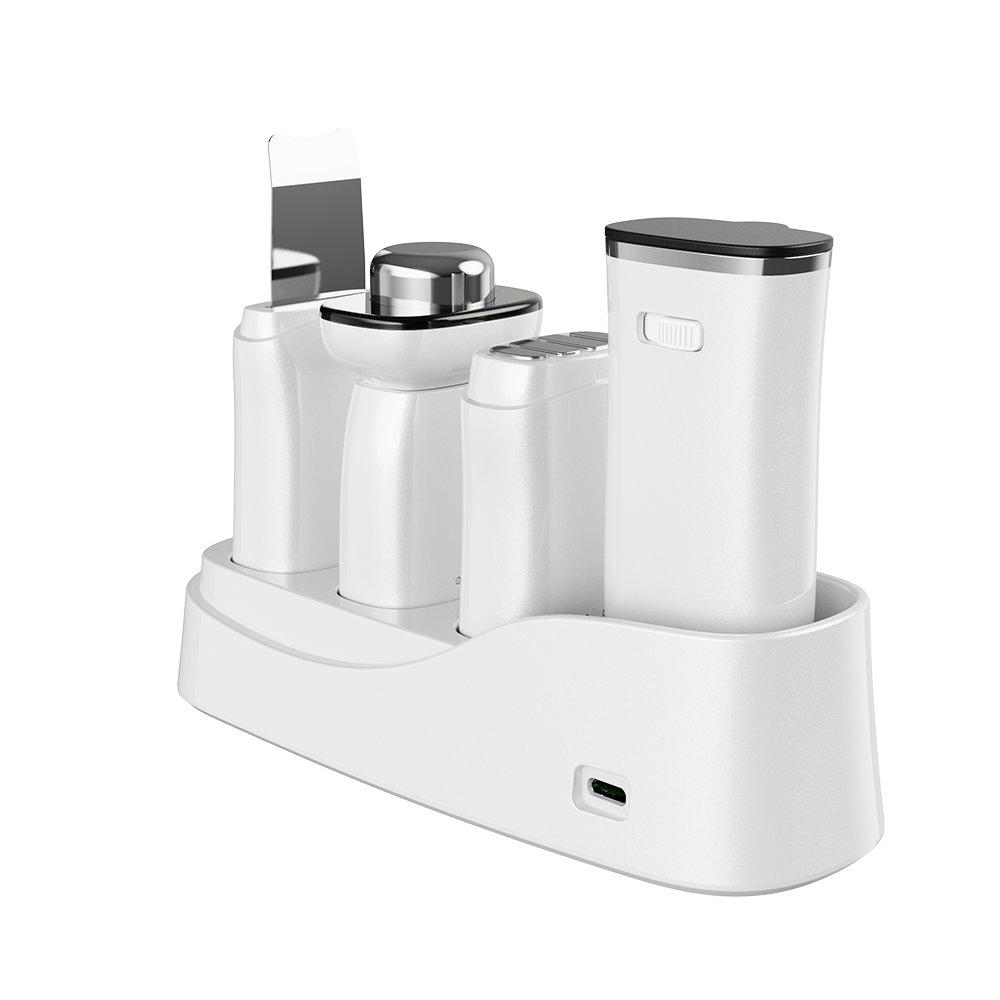
A home device can make a face care routine feel more intentional, but it is not a shortcut around the basics. As a skin-management professional, I encourage people to begin with a simpler question: can you use the device consistently, safely, and alongside the routine you already tolerate? The strongest realistic anti-aging support usually comes from steady habits, not from pushing a device harder or longer than its instructions allow.
That distinction matters. A device may support the appearance of smoother-looking skin, a more refreshed complexion, or a relaxing massage step, depending on its technology and the individual. It cannot promise a lift, erase wrinkles, or replace medical care. The practical goal of face care is to protect the skin barrier, use your device correctly, and give any routine enough time to show whether it suits you.
Before adding a device, keep the routine underneath it reliable: gentle cleansing, appropriate moisturization, and daytime sun protection. The American Academy of Dermatology recommends broad-spectrum, water-resistant sunscreen with SPF 30 or higher, and notes that sun protection can reduce premature aging changes such as wrinkles and sagging. In other words, even an excellent device routine has a weak foundation if daily UV protection is inconsistent.
Many people initially assume that a more expensive tool must deliver better face care. In practice, the more important factor is whether the tool fits your skin, schedule, and tolerance. A five-minute routine you can follow calmly is more useful than a complicated one that gets abandoned after a week.
Read the manual before the first session and identify the device category. LED devices, microcurrent tools, warming tools, cleansing brushes, and massage devices do not work in the same way, so they should not share the same settings or frequency. Use only the mode, treatment time, and conductive or skincare medium specified by the manufacturer. Do not assume that more intensity equals better anti-aging results.
If the instructions are unclear, pause rather than improvising. This is especially important around the eyes, over irritated skin, or when a device is designed for a specific facial zone. A reputable device should also provide clear safety directions, contraindications, cleaning guidance, and a way to contact the supplier. For brands developing home devices, skin-contact materials and sensible intensity options are practical safety priorities, not just marketing features.
During face care, move the device at the pace and direction its manual describes. Avoid pressing hard or repeatedly treating one spot because it looks like a “problem area.” I often ask readers to imagine a calm, even routine rather than a spot-treatment battle: cheeks, jawline, forehead, then stop when the timer ends.
Keep the device moving where required, and avoid broken skin, active rashes, painful breakouts, or areas that feel hot or tender. If you feel burning, sharp discomfort, dizziness, or a worsening reaction, stop the session, remove any product, and seek professional advice if symptoms do not settle. Mild warmth or temporary redness may be expected with some technologies, but the manufacturer’s instructions and your own response set the boundary.
Consistency beats intensity. Follow the stated schedule rather than adding extra sessions to chase quicker anti-aging benefits. A helpful face care log can record the date, mode, session length, products used, and any reaction. After two to four weeks, review whether your skin feels comfortable and whether the routine is realistic. If not, reduce frequency or simplify the surrounding products.
Be careful when introducing prescription treatments, exfoliating acids, retinoids, or other potentially irritating actives. Their compatibility depends on both the product and the device. You may need to separate them into different evenings or ask a dermatologist or qualified clinician for tailored advice. Sensitive, recently treated, or compromised skin deserves an even slower approach.
For many people, face care is often easier to sustain when the device is assigned to specific evenings rather than used whenever motivation strikes. Keep the rest of your face care routine stable for the first several sessions. That makes it easier to tell whether the device, the treatment medium, or another face care product is behind a reaction.
Before each session, check your skin in good light. If face care has left you stinging, flaky, unusually tight, or inflamed, take a break. Resume face care only when the skin feels settled and the manufacturer’s directions allow it. This cautious approach is not a setback; it protects your ability to use face care consistently over time.
A useful rhythm is to cleanse, complete the prescribed device step, moisturize, and stop. In the morning, follow face care with sunscreen. Do not turn one face care session into a test of several new serums, masks, and exfoliants. Simplifying face care is often the clearest way to learn what your skin tolerates.
Track the result in ordinary terms: comfort during face care, any redness the next morning, and whether the schedule fits your week. Photos taken in the same light can be more helpful than chasing a day-to-day impression. If face care feels stressful or produces recurring irritation, lower the frequency or consult a professional.
Finish with uncomplicated face care: a gentle moisturizer and, in the morning, sunscreen. Skip aggressive exfoliation immediately afterward unless the device maker and your clinician specifically say it is appropriate. This is one place where less can genuinely be more. A comfortable barrier is more likely to support long-term routine adherence than a cycle of irritation and recovery.
Talk with a dermatologist or qualified healthcare professional before use if you have a diagnosed skin condition, are healing from a procedure, use medications that affect light sensitivity, have an implanted medical device, are pregnant, or have any medical concern listed in the device warning section. Professional advice is also appropriate when anti-aging concerns are accompanied by changing lesions, pain, persistent inflammation, or sudden pigment changes.
Maximum anti-aging benefits from a face care device come from correct use, not aggressive use. Choose a technology with transparent instructions, prepare skin properly, follow the recommended schedule, protect skin from the sun every day, and stop when your skin signals that something is wrong. With that approach, a device becomes a supportive part of face care rather than the entire plan.

2026/10/30
Discover why in-house mold development helps an RF beauty device manufacturer improve product consistency, iteration speed, tooling control, and production readiness.

2026/10/30
Learn how to verify an RF beauty device manufacturer's R&D and prototyping capabilities using practical engineering workflows and audit checklists.

2026/10/30
Learn what shapes MOQ when choosing an RF beauty device manufacturer and how to plan a lower-risk first order with balanced platform and customization.

2026/10/30
Use this RF beauty device manufacturer evaluation checklist to compare safety evidence, OEM and ODM capability, quality control, and launch readiness.

2026/10/30
See how technology makes beauty at home more guided, consistent, and informed—plus a practical checklist for choosing devices wisely.

2026/10/30
Explore how AI and smart devices shape the future of beauty with responsive routines, clear guidance, trustworthy design, and user-controlled care.

Ideal for daily facial care routines, providing easy-to-use beauty solutions at home.

Perfect for spas and salons’ frequent treatments, enhancing client experiences and results.

Supports dermatologists with advanced devices for professional skin therapy sessions.

Delivers innovative solutions for full-body massage and relaxation with home devices.

Features anti-aging technologies to help reduce wrinkles and stimulate skin vitality.

Specialized devices for safe and effective hair removal suitable for home or clinic use.

Our customers love the Perfect Idea beauty devices. Quality, packaging, and results are all outstanding. We saw increased repeat sales after adding their facial cleansers to our lineup. Their support team is responsive and reliable.

Perfect Idea brings innovation and reliability to home beauty appliances. Our collaboration introduced their massage tools to Japanese women, boosting customer satisfaction and growing our brand trust across the region.

We partnered with Shenzhen Perfect Idea Tech for their beauty equipment. The shipping was fast and every product matched our expectations. Their home-use massagers are especially popular with local salons and home users.

The stylish packaging and attractive design make Perfect Idea stand out. French consumers appreciate the easy instructions and visible results. Communication was efficient and orders always arrived on time.

Perfect Idea home use personal care devices have become a favorite with our clients. The beauty device line offers quality at a reasonable price, and technical training for our staff made onboarding easy.

We selected Perfect Idea for our beauty product portfolio and have seen very positive feedback from our customers. Products are easy to market online and the customer support is reliable and helpful.
