 EN
Home Skincare
Ideal for daily facial care routines, providing easy-to-use beauty solutions at home.

2026/09/22
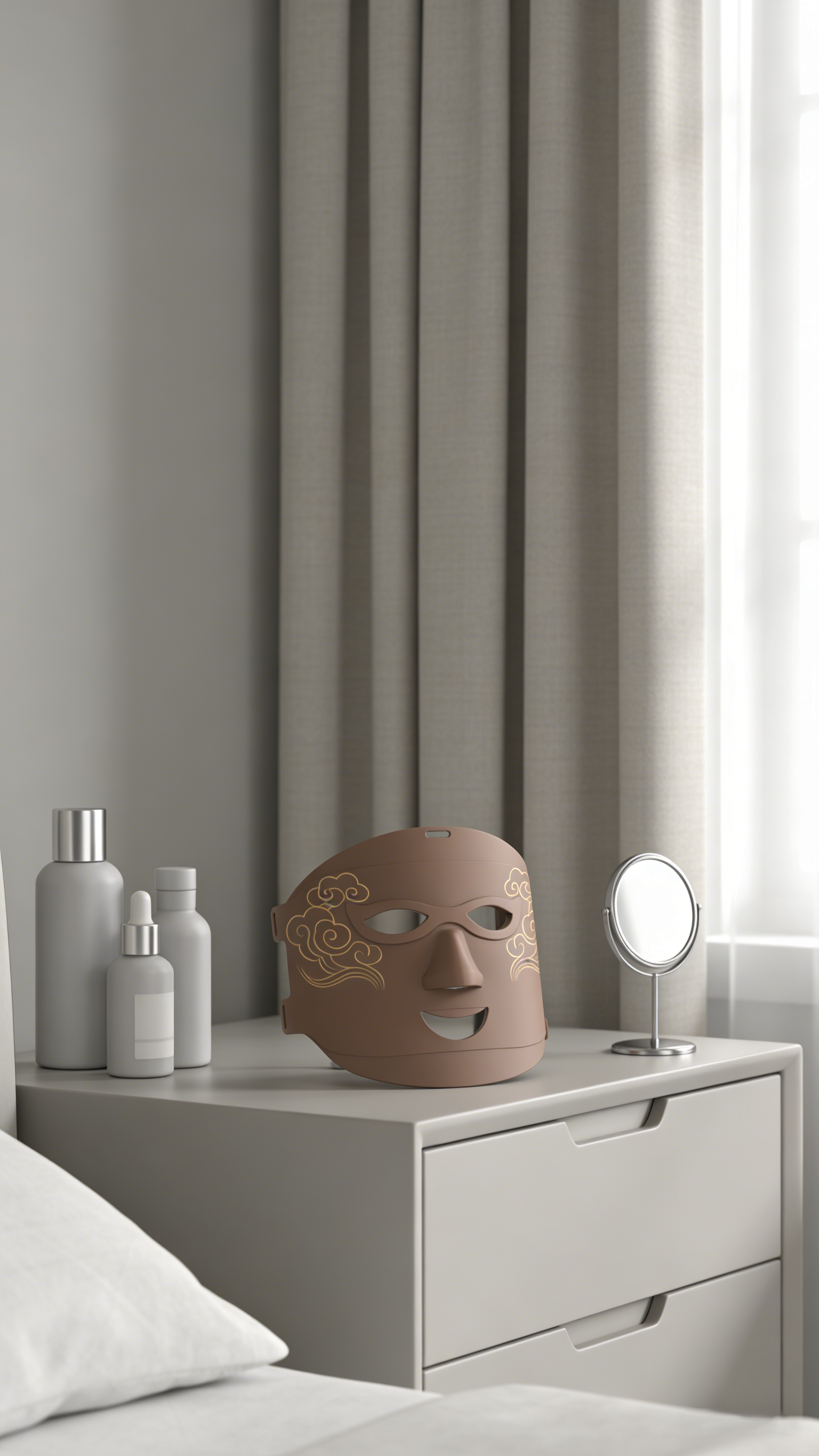
Building an at-home beauty-device routine is less about collecting every new tool and more about giving each device a clear job. A calm routine can support cleansing, hydration, visible skin texture goals, or relaxation without turning your bathroom counter into a treatment room. Start with your skin’s current condition, the time you can realistically commit, and the instructions supplied with each device.
The most useful at-home device routine has three parts: preparation, one focused device session, and recovery. That sequence keeps product layering simple and makes it easier to tell what your skin tolerates. If you have a diagnosed skin condition, are pregnant, take photosensitizing medication, or are unsure about a device’s intended use, consult a qualified clinician before adding it.
Write the phrase home use beauty equipment at the top of your plan as a reminder to prioritize products made and instructed for at-home use, rather than copying a clinic-style routine.
Before choosing devices for home care, write down one or two goals. Examples include removing daily buildup more thoroughly, making a massage step more consistent, or creating a regular light-based skincare session. Avoid trying to address every concern in one week. A single primary goal helps you select a device category and decide how often it belongs in your schedule.
Separate devices into three groups: preparation tools, treatment tools, and comfort tools. Preparation might mean a gentle cleansing device. Treatment may include a light-based mask, an ultrasonic skincare tool, or a device intended for a specific cosmetic routine. Comfort tools include a cooling, warming, or massage step. This map prevents two high-intensity steps from competing on the same evening.
Every at-home device plan needs a low-friction base: cleanse, use the device according to its instructions, then finish with products your skin already accepts. Wash and dry the device head or mask as the manufacturer directs before and after use. Keep charging cables, storage cases, and manuals together so the routine is easy to repeat.
Use a simple patch or tolerance approach for new combinations. Introduce one change, keep the rest of your skincare familiar, and note redness, tightness, heat, or discomfort. Stop the session if a device causes pain or an unexpected reaction. Consistency comes from a routine that feels manageable, not from extending session time.
A practical weekly device schedule gives each session enough space. For example, reserve two or three evenings for your chosen light-based device if its instructions allow that frequency, and use a gentle cleansing or massage step on separate days. Follow the supplied timing rather than assuming that a longer session will improve results.
Research on home-based dermatology devices has reviewed several light-based and energy-based categories, but that does not make every product suitable for every person or concern. Treat general evidence as a reason to check intended use, instructions, and safety information—not as a promise of a particular outcome. For light-based tools used at home, eye protection requirements and contraindications deserve special attention.
Keep formulas uncomplicated around home use beauty equipment. A gentle cleanser and a familiar moisturizer are often enough for a first month. If a tool needs a conductive gel or a water-based slip product, use the type specified by its maker. Do not substitute strong exfoliants, fragranced oils, or thick occlusive layers just because they are on hand.
On an evening with an exfoliating product, retinoid, or other potentially irritating active, consider making the device step a rest day unless the directions clearly support that pairing. This is especially useful when you are learning how your device routine fits with your existing routine. A short diary can reveal whether dryness follows a product combination, a device schedule, or both.
When comparing home use beauty equipment, keep the manual and intended-use statement beside your weekly plan; they are more useful than a generic online schedule.
Safe at-home device use starts with the exact manual for the model you own. Check the intended-use statement, charging instructions, cleaning method, session duration, and situations in which use should be avoided. For electrically powered products, inspect cords, charging ports, and housings before use. Do not use a damaged device, and do not share components that contact skin unless they can be cleaned as instructed.
For buyers comparing devices, documentation matters. Regulatory status, where applicable, should be described accurately; registration, clearance, certification, and approval are not interchangeable terms. A reliable supplier conversation should cover intended use, user instructions, packaging, local-market requirements, and after-sales support rather than making sweeping performance claims.
After several weeks, assess your at-home routine with practical questions. Did you follow it comfortably? Did one step feel unnecessary? Is your skin calmer when sessions are spaced farther apart? Keep what is easy to maintain and remove what adds complexity without a clear purpose. This approach also helps brands and retailers explain device categories responsibly: a routine is a guided sequence, not a collection of promises.
The manufacturer works across home beauty devices, massage devices, and personal-care appliances for brand partners. For an at-home beauty-device range, clear instructions, thoughtful device selection, and a realistic usage rhythm can make the end-user experience easier to understand and repeat.
Start with one main device session. Add another category only when you understand the instructions for both products and your skin tolerates the schedule. Avoid combining treatments merely to make a routine feel more advanced.
Follow the cleaning guidance for the exact device. As a general routine habit, clean any skin-contact surface after use, let it dry fully, and store it in a clean, dry place.
Pause device sessions if you experience pain, persistent irritation, unusual heat, or an unexpected skin response. Seek professional advice when symptoms persist or when you have a health concern that may affect device use.

2026/10/30
Discover why in-house mold development helps an RF beauty device manufacturer improve product consistency, iteration speed, tooling control, and production readiness.

2026/10/30
Learn how to verify an RF beauty device manufacturer's R&D and prototyping capabilities using practical engineering workflows and audit checklists.

2026/10/30
Learn what shapes MOQ when choosing an RF beauty device manufacturer and how to plan a lower-risk first order with balanced platform and customization.

2026/10/30
Use this RF beauty device manufacturer evaluation checklist to compare safety evidence, OEM and ODM capability, quality control, and launch readiness.

2026/10/30
See how technology makes beauty at home more guided, consistent, and informed—plus a practical checklist for choosing devices wisely.

2026/10/30
Explore how AI and smart devices shape the future of beauty with responsive routines, clear guidance, trustworthy design, and user-controlled care.

Ideal for daily facial care routines, providing easy-to-use beauty solutions at home.

Perfect for spas and salons’ frequent treatments, enhancing client experiences and results.

Supports dermatologists with advanced devices for professional skin therapy sessions.

Delivers innovative solutions for full-body massage and relaxation with home devices.

Features anti-aging technologies to help reduce wrinkles and stimulate skin vitality.

Specialized devices for safe and effective hair removal suitable for home or clinic use.

Our customers love the Perfect Idea beauty devices. Quality, packaging, and results are all outstanding. We saw increased repeat sales after adding their facial cleansers to our lineup. Their support team is responsive and reliable.

Perfect Idea brings innovation and reliability to home beauty appliances. Our collaboration introduced their massage tools to Japanese women, boosting customer satisfaction and growing our brand trust across the region.

We partnered with Shenzhen Perfect Idea Tech for their beauty equipment. The shipping was fast and every product matched our expectations. Their home-use massagers are especially popular with local salons and home users.

The stylish packaging and attractive design make Perfect Idea stand out. French consumers appreciate the easy instructions and visible results. Communication was efficient and orders always arrived on time.

Perfect Idea home use personal care devices have become a favorite with our clients. The beauty device line offers quality at a reasonable price, and technical training for our staff made onboarding easy.

We selected Perfect Idea for our beauty product portfolio and have seen very positive feedback from our customers. Products are easy to market online and the customer support is reliable and helpful.
