 EN
Home Skincare
Ideal for daily facial care routines, providing easy-to-use beauty solutions at home.

2026/10/20
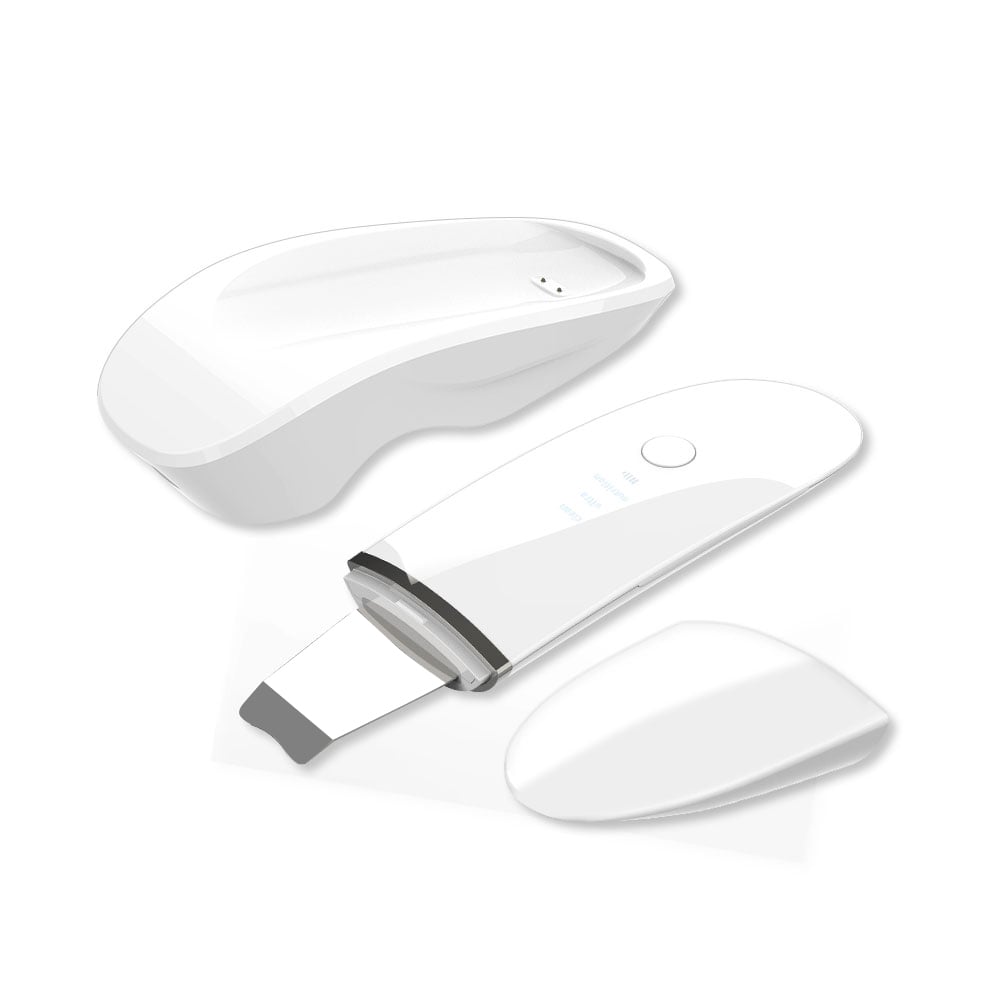
A short routine can be useful, but only when it is repeatable. The most reliable way to get more from home use beauty equipment is not to stack every setting, serum, and attachment into one session. It is to choose one appropriate device, prepare the skin correctly, and use the exact sequence often enough to learn how your skin responds. As a skin-management professional, I would start with that boring-sounding foundation because it prevents the two mistakes that waste the most time: using a device on the wrong skin condition and changing too many variables at once.
Ten minutes is enough for a focused maintenance session with many home devices, provided that the manufacturer’s instructions allow it. Read the supplied directions first: timing, treatment areas, frequency, required conductive medium, eye protection, and contraindications vary by technology. If a device causes pain, persistent heat, marked redness, or irritation, stop rather than trying to “push through” for a faster result.
Many people buy home use beauty equipment with a burst of motivation, use it for several long sessions, then leave it in a drawer. The more useful target is a routine you can repeat calmly. A facial device is an addition to basic care, not a substitute for gentle cleansing, appropriate moisturising, daytime sun protection, or clinical advice when a concern needs it.
More intensity is not automatically more effective. A longer session, a higher setting, or daily use can be the wrong choice if the instructions specify otherwise. Think of your device plan as a small experiment: keep the device, skin-prep products, and schedule stable long enough to judge comfort and visible changes. That approach makes your home use beauty equipment easier to use safely and easier to evaluate honestly.
Start with a single, observable goal: maintaining a clearer-looking complexion, supporting a more even-looking tone, improving the appearance of temporary puffiness, or adding a relaxing step to an established routine. Then match the goal to the device category and its official intended use. LED, microcurrent, RF, ultrasonic, cleansing, and massage devices do not work in the same way and should not share a universal schedule.
Check the label and manual rather than relying on marketing language alone. In the United States, an aesthetic product may fall under medical-device regulation depending on its intended use and whether it is meant to affect body structure or function. That is one reason to verify the claims, instructions, and market-specific information for the exact product you own. If you have an implanted electronic device, are pregnant, use photosensitising medication, have a diagnosed skin condition, or recently had a procedure, ask a qualified clinician whether your planned device is appropriate before use.
This is a timing framework, not a replacement for the manual. Adjust or shorten it to match your device’s approved instructions.
| Device category | Ten-minute focus | Key caution |
|---|---|---|
| LED light device | Set up eye protection, complete the instructed exposure, and stay within the stated schedule. | Do not treat timing or wavelength claims as interchangeable between devices. |
| Microcurrent device | Use the required conductive medium and smooth, light passes on the approved zones. | Review contraindications carefully, especially for implanted electronic devices. |
| RF or warming device | Keep the device moving as instructed and use only the approved setting and medium. | Do not chase heat; stop if discomfort or prolonged redness occurs. |
| Cleansing or ultrasonic device | Use a gentle pass on clean, suitably damp skin if directed. | Avoid over-cleansing or treating compromised, irritated skin. |
A home use beauty equipment routine should feel manageable, not like a laboratory protocol. If you have several devices, rotate them according to each manual instead of compressing them all into the same ten minutes. Stable skin often benefits more from sensible pacing than from feature overload.
Use the stated frequency for the exact device. Home-use technology is designed around a particular protocol; changing the schedule on your own can make irritation more likely and make your results harder to interpret. Give a comfortable routine time before deciding whether it belongs in your long-term plan.
On device days, avoid introducing several new actives at once. If you use prescription products, exfoliating acids, retinoids, or sensitising treatments, check the device manual and ask your clinician or dermatologist how to sequence them. Clean, simple prep is usually easier to repeat than an elaborate product cocktail.
Take occasional photos in the same lighting, note any sensitivity, and assess changes over weeks rather than minutes. Immediate glow or temporary plumping can be pleasant, but it is not the same as a durable change. This small record helps you decide whether your home use beauty equipment is comfortable, practical, and worth continuing.
Skip the session on broken, infected, sunburned, or actively irritated skin unless a qualified professional specifically advises otherwise. Stop and seek medical advice for a significant reaction, worsening symptoms, or uncertainty about a condition or medication. Likewise, if your concern is persistent acne, pigment change, hair loss, or a changing lesion, a device routine should not delay clinical assessment.
A sensible way to maximise results with home use beauty equipment is modest: one goal, one suitable device, clean preparation, instruction-led treatment, and a consistent schedule. Treat the ten minutes as a careful maintenance habit rather than a shortcut to dramatic change. When the routine remains comfortable and easy to repeat, you give both your skin and the device a fair chance to show what they can realistically do.

2026/10/30
Discover why in-house mold development helps an RF beauty device manufacturer improve product consistency, iteration speed, tooling control, and production readiness.

2026/10/30
Learn how to verify an RF beauty device manufacturer's R&D and prototyping capabilities using practical engineering workflows and audit checklists.

2026/10/30
Learn what shapes MOQ when choosing an RF beauty device manufacturer and how to plan a lower-risk first order with balanced platform and customization.

2026/10/30
Use this RF beauty device manufacturer evaluation checklist to compare safety evidence, OEM and ODM capability, quality control, and launch readiness.

2026/10/30
See how technology makes beauty at home more guided, consistent, and informed—plus a practical checklist for choosing devices wisely.

2026/10/30
Explore how AI and smart devices shape the future of beauty with responsive routines, clear guidance, trustworthy design, and user-controlled care.

Ideal for daily facial care routines, providing easy-to-use beauty solutions at home.

Perfect for spas and salons’ frequent treatments, enhancing client experiences and results.

Supports dermatologists with advanced devices for professional skin therapy sessions.

Delivers innovative solutions for full-body massage and relaxation with home devices.

Features anti-aging technologies to help reduce wrinkles and stimulate skin vitality.

Specialized devices for safe and effective hair removal suitable for home or clinic use.

Our customers love the Perfect Idea beauty devices. Quality, packaging, and results are all outstanding. We saw increased repeat sales after adding their facial cleansers to our lineup. Their support team is responsive and reliable.

Perfect Idea brings innovation and reliability to home beauty appliances. Our collaboration introduced their massage tools to Japanese women, boosting customer satisfaction and growing our brand trust across the region.

We partnered with Shenzhen Perfect Idea Tech for their beauty equipment. The shipping was fast and every product matched our expectations. Their home-use massagers are especially popular with local salons and home users.

The stylish packaging and attractive design make Perfect Idea stand out. French consumers appreciate the easy instructions and visible results. Communication was efficient and orders always arrived on time.

Perfect Idea home use personal care devices have become a favorite with our clients. The beauty device line offers quality at a reasonable price, and technical training for our staff made onboarding easy.

We selected Perfect Idea for our beauty product portfolio and have seen very positive feedback from our customers. Products are easy to market online and the customer support is reliable and helpful.
