 EN
Home Skincare
Ideal for daily facial care routines, providing easy-to-use beauty solutions at home.

2026/09/19
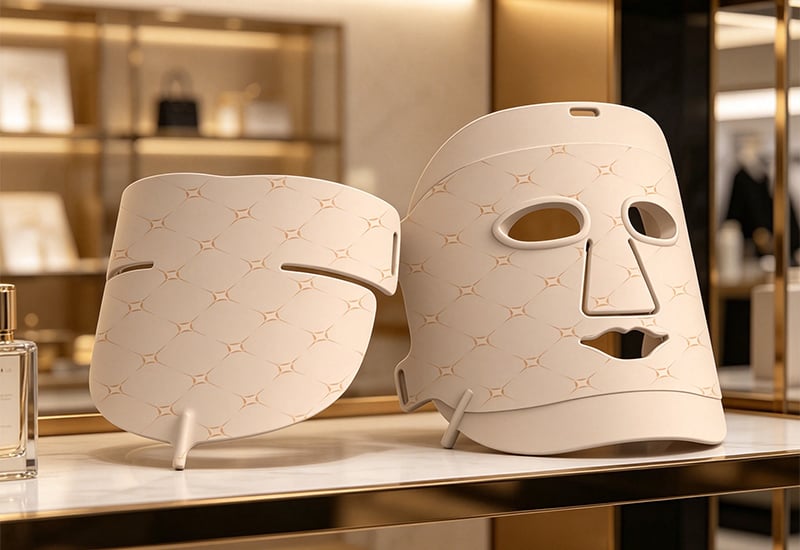
An LED face mask is easiest to care for when maintenance is treated as part of the treatment routine, not an afterthought. The goal is not to “boost” the light with home fixes. It is to keep the mask clean, dry, protected from impact, and used exactly as its manufacturer intended. That gives the light-emitting components, controls, straps, and face-contact surfaces a stronger chance of performing consistently over time.
As a beauty-device technical adviser, I suggest starting with a simple rule: a steady routine matters more than complicated maintenance. A clean mask that is stored correctly and checked regularly is less likely to develop avoidable problems. If your manual gives instructions that differ from the guidance below, follow the manual for your specific LED face mask.
Before putting on your LED face mask, look over the face-contact surface, eye protection, straps, cable, and controller. Make sure the mask is dry and that no skincare residue, dust, or lint is sitting over the light panels. Check for cracks, loose fittings, exposed wiring, unusual discoloration, or a control that feels hot before use. A small inspection takes less than a minute and can prevent you from using a device that needs professional support.
Do not judge output by staring into the LEDs or by trying to compare brightness with another model. Different wavelengths and designs can look different to the eye. Instead, confirm that the device starts normally, completes its intended cycle, and shows no new flickering, dark areas, error messages, or heat changes. If one section no longer illuminates as it normally does, stop using the mask and contact the manufacturer or authorized service channel.
Skin oils, sunscreen, makeup, and leftover skincare can build up on the surface that touches your face. Cleaning after each session helps keep that contact area comfortable and hygienic. First switch the device off and disconnect it from power if the model uses a cable or separate controller. Do not clean a mask while it is charging or operating.
Use a soft, clean, non-abrasive cloth. For many devices, a lightly dampened cloth is enough for the face-contact surface; some manuals permit a small amount of mild, fragrance-free soap on the cloth. The important part is moderation: the cloth should be damp, not wet, and keep liquid away from seams, ports, buttons, and light components. Wipe gently rather than scrubbing. Then allow the LED face mask to air-dry completely before charging, storing, or using it again.
That last point matters because materials vary. A cleaner that seems harmless on a hard plastic shell may affect a flexible mask, coating, adhesive, or strap. If your skin barrier is irritated or you have been using rich skincare, take a little extra care to remove residue from the contact surface without over-wetting it.
Most avoidable care mistakes come down to moisture in the wrong place. After cleaning, inspect charging contacts, connectors, and the controller area. If you see moisture, let the device dry naturally in a well-ventilated room before reconnecting it. Do not use a hair dryer, radiator, microwave, or direct strong heat to speed the process. Heat can warp materials and may create a different problem from the one you were trying to solve.
Use the charger and cable supplied or approved for the LED face mask. A damaged cable, bent connector, or improvised power source is not a maintenance shortcut. Replace accessories through the manufacturer when possible, and do not open the controller or attempt to repair internal parts yourself.
Once dry, store the LED face mask in its case or in a clean, padded drawer where it will not be bent, compressed, or exposed to direct sunlight. Avoid bathrooms with constant steam, window ledges, cars, and places where the mask can be knocked onto a hard floor. If the mask is flexible, do not fold it more tightly than the manufacturer allows. A device that looks fine after being crushed in a travel bag may still have stressed connectors or light panels.
Keep the controller and cable loosely arranged rather than tightly wrapped around the mask. This is a small habit, but it reduces strain at connection points. Before travel, make sure the mask is fully dry, use its protective case, and pack it where heavy objects cannot rest on it.
A practical schedule keeps care simple. After each use, power down, wipe the face-contact surface, and let everything dry. Once a week, inspect straps, cable ends, ports, and the overall shape. Once a month, compare the mask’s normal startup and treatment cycle with what you remember from regular use. You are looking for changes, not chasing an exact visual brightness test.
Many people initially focus on features or settings, but a repeatable routine is usually more valuable than a complicated checklist. Consistent light output depends on consistent device condition: clean surfaces, correct charging, dry connections, safe storage, and prompt attention to abnormalities.
Stop using the LED face mask and ask the manufacturer for guidance if you notice flickering that persists after a normal restart, dark LED sections, overheating, swelling, cracking, a damaged cable, unusual odor, liquid exposure, or a change in the treatment timer. Do not tape over damage, pry open the mask, replace internal LEDs, or use a device after it has been dropped into water. More cleaning will not solve an electrical or structural fault.
With gentle cleaning, dry storage, approved charging, and regular visual checks, your LED face mask can stay in a condition that supports dependable use. Keep the manual with the device, follow its model-specific care rules, and let qualified support handle anything that goes beyond routine maintenance.

2026/10/30
Discover why in-house mold development helps an RF beauty device manufacturer improve product consistency, iteration speed, tooling control, and production readiness.

2026/10/30
Learn how to verify an RF beauty device manufacturer's R&D and prototyping capabilities using practical engineering workflows and audit checklists.

2026/10/30
Learn what shapes MOQ when choosing an RF beauty device manufacturer and how to plan a lower-risk first order with balanced platform and customization.

2026/10/30
Use this RF beauty device manufacturer evaluation checklist to compare safety evidence, OEM and ODM capability, quality control, and launch readiness.

2026/10/30
See how technology makes beauty at home more guided, consistent, and informed—plus a practical checklist for choosing devices wisely.

2026/10/30
Explore how AI and smart devices shape the future of beauty with responsive routines, clear guidance, trustworthy design, and user-controlled care.

Ideal for daily facial care routines, providing easy-to-use beauty solutions at home.

Perfect for spas and salons’ frequent treatments, enhancing client experiences and results.

Supports dermatologists with advanced devices for professional skin therapy sessions.

Delivers innovative solutions for full-body massage and relaxation with home devices.

Features anti-aging technologies to help reduce wrinkles and stimulate skin vitality.

Specialized devices for safe and effective hair removal suitable for home or clinic use.

Our customers love the Perfect Idea beauty devices. Quality, packaging, and results are all outstanding. We saw increased repeat sales after adding their facial cleansers to our lineup. Their support team is responsive and reliable.

Perfect Idea brings innovation and reliability to home beauty appliances. Our collaboration introduced their massage tools to Japanese women, boosting customer satisfaction and growing our brand trust across the region.

We partnered with Shenzhen Perfect Idea Tech for their beauty equipment. The shipping was fast and every product matched our expectations. Their home-use massagers are especially popular with local salons and home users.

The stylish packaging and attractive design make Perfect Idea stand out. French consumers appreciate the easy instructions and visible results. Communication was efficient and orders always arrived on time.

Perfect Idea home use personal care devices have become a favorite with our clients. The beauty device line offers quality at a reasonable price, and technical training for our staff made onboarding easy.

We selected Perfect Idea for our beauty product portfolio and have seen very positive feedback from our customers. Products are easy to market online and the customer support is reliable and helpful.
