 EN
Home Skincare
Ideal for daily facial care routines, providing easy-to-use beauty solutions at home.

2026/10/20
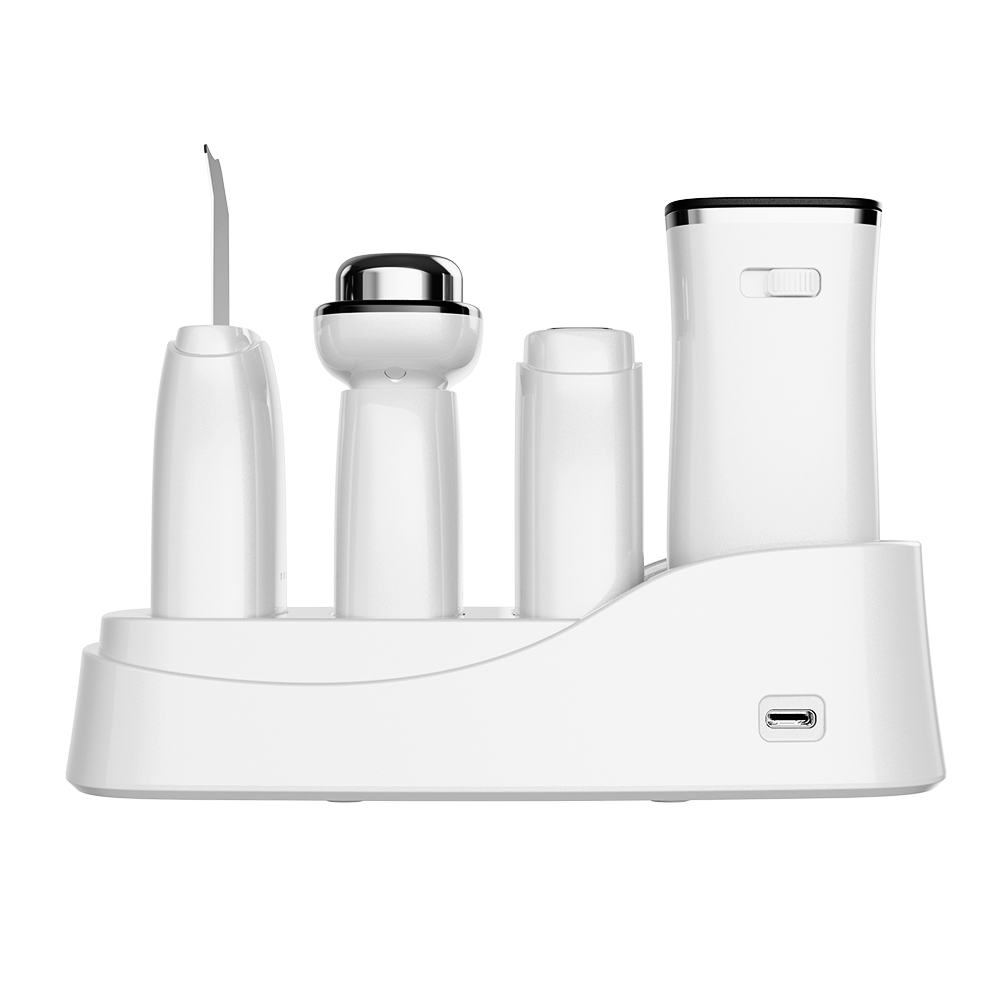
A good skin care routine does not need to become a laboratory experiment just because you bring in a device. A practical approach is simpler: build a steady baseline of cleansing, moisturizing, and daytime sun protection, then give one tool a clear job in that routine. Whether you use an LED skincare device, a cleansing tool, or a microcurrent-style tool, the device should support your habits rather than turn them into a long list of steps you cannot keep.
From a practical skin-management perspective, the first question is not “Which device has the most modes?” It is “What can I use consistently without irritating my skin or skipping the basics?” A home skincare device can be a helpful addition, but it is not a substitute for gentle cleansing, appropriate moisturizer, and sunscreen. The American Academy of Dermatology’s everyday-care guidance emphasizes those foundations, which makes them a sensible place to anchor any device step.
Before adding a device, make your regular skin care steps easy to repeat. In the morning, many people can keep it to a gentle cleanse or rinse as needed, a leave-on product that suits their skin, moisturizer when needed, and broad-spectrum sunscreen. In the evening, cleanse away makeup, sunscreen, and daily buildup; then use treatment products and moisturizer as tolerated.
That baseline matters because devices are most useful as a planned part of a skincare routine, not as an emergency fix for every concern. If your skin is stinging, peeling, newly broken out, or reacting to a product, adding extra friction, heat, current, or light is usually not the first move. Simplify first, let the skin settle, and consider professional guidance for persistent symptoms.
Trying to use every tool every day is one of the fastest ways to make skin care feel complicated. Instead, decide what role a device has before it reaches your bathroom shelf:
This one-job rule keeps expectations realistic. More features do not automatically mean better daily skin care; a device you understand and use within its instructions is more valuable than a complicated tool that stays in a drawer.
Sequence depends on the device, so the instruction manual takes priority. Still, this framework helps you avoid the most common clashes between tools and products.
| Device type | Typical place in the routine | Practical reminder |
|---|---|---|
| Cleansing brush or silicone cleanser | During your evening or morning cleanse | Use gentle pressure; do not combine with a harsh scrub in the same session. |
| LED skincare device | After cleansing; follow device-specific directions for dry or prepared skin | Do not assume that more sessions or longer sessions produce better results. |
| Microcurrent-style home skincare device | After cleansing, with the approved conductive medium | Remove remaining medium if directed, then continue with leave-on products. |
| Cooling or massage tool | After a serum, moisturizer, or mask that provides slip | Keep strokes light and clean the tool after use. |
One detail is easy to overlook: active products can change how your skin feels. If you use exfoliating acids, retinoids, or a strong acne treatment, avoid introducing a demanding device session at the same time. Separate the steps or use the device on a simpler night. This is not a universal ban; it is a conservative way to notice what your skin tolerates.
A useful skin care habit is to start below the maximum frequency in the manual and increase only if your skin is comfortable. A cleansing tool may be appropriate for some people a few times a week rather than at every wash. An LED skincare device should be used according to its specified schedule, rather than extended casually because it feels gentle. The point is to give your skin and your calendar time to show whether the step is sustainable.
Ask yourself a practical question: can this fit into your real evening routine in five to ten minutes without causing you to rush cleansing or skip moisturizer? If the answer is no, shorten the session plan. Consistency is more useful than occasional intensive sessions, and irritation is a sign to pause rather than push harder.
Device hygiene belongs in skin care, not as an afterthought. Wash your hands before starting. Clean removable heads, contact surfaces, and reusable accessories exactly as the manufacturer directs, then let them dry fully before storage. Do not share devices that contact skin unless the product is designed for safe shared use and can be properly cleaned. FDA information on aesthetic devices and microneedling also underscores why intended use, cleaning directions, and appropriate training matter,especially for any tool that is invasive or not clearly designed for ordinary at-home use.
Avoid using a device over open skin, a fresh sunburn, an active rash, or an area that is painful or infected. If you have a diagnosed skin condition, a history of light sensitivity, implanted electronic equipment, or you are unsure whether a device is appropriate for you, check with a qualified clinician before making it part of your regimen.
You do not need a different gadget for every day. Here is a flexible way to organize a skincare routine while you learn what works for you:
This kind of schedule leaves room for observation. If redness, discomfort, or dryness increases after a device session, stop using the device and return to your basic routine. A change in frequency is often more useful than layering another product on top of a stressed barrier.
A sound way to integrate devices is to make them feel like one calm, repeatable step,not a performance. Choose one purpose, read the instructions, start gradually, keep the tool clean, and protect the basic structure of your skin care routine. An LED skincare device or another home skincare device may have a place in your regimen when it is used thoughtfully, but your skin will benefit most from steady care, realistic expectations, and a willingness to pause when something does not feel right.

2026/10/30
Discover why in-house mold development helps an RF beauty device manufacturer improve product consistency, iteration speed, tooling control, and production readiness.

2026/10/30
Learn how to verify an RF beauty device manufacturer's R&D and prototyping capabilities using practical engineering workflows and audit checklists.

2026/10/30
Learn what shapes MOQ when choosing an RF beauty device manufacturer and how to plan a lower-risk first order with balanced platform and customization.

2026/10/30
Use this RF beauty device manufacturer evaluation checklist to compare safety evidence, OEM and ODM capability, quality control, and launch readiness.

2026/10/30
See how technology makes beauty at home more guided, consistent, and informed—plus a practical checklist for choosing devices wisely.

2026/10/30
Explore how AI and smart devices shape the future of beauty with responsive routines, clear guidance, trustworthy design, and user-controlled care.

Ideal for daily facial care routines, providing easy-to-use beauty solutions at home.

Perfect for spas and salons’ frequent treatments, enhancing client experiences and results.

Supports dermatologists with advanced devices for professional skin therapy sessions.

Delivers innovative solutions for full-body massage and relaxation with home devices.

Features anti-aging technologies to help reduce wrinkles and stimulate skin vitality.

Specialized devices for safe and effective hair removal suitable for home or clinic use.

Our customers love the Perfect Idea beauty devices. Quality, packaging, and results are all outstanding. We saw increased repeat sales after adding their facial cleansers to our lineup. Their support team is responsive and reliable.

Perfect Idea brings innovation and reliability to home beauty appliances. Our collaboration introduced their massage tools to Japanese women, boosting customer satisfaction and growing our brand trust across the region.

We partnered with Shenzhen Perfect Idea Tech for their beauty equipment. The shipping was fast and every product matched our expectations. Their home-use massagers are especially popular with local salons and home users.

The stylish packaging and attractive design make Perfect Idea stand out. French consumers appreciate the easy instructions and visible results. Communication was efficient and orders always arrived on time.

Perfect Idea home use personal care devices have become a favorite with our clients. The beauty device line offers quality at a reasonable price, and technical training for our staff made onboarding easy.

We selected Perfect Idea for our beauty product portfolio and have seen very positive feedback from our customers. Products are easy to market online and the customer support is reliable and helpful.
