 EN
Home Skincare
Ideal for daily facial care routines, providing easy-to-use beauty solutions at home.

2026/10/08
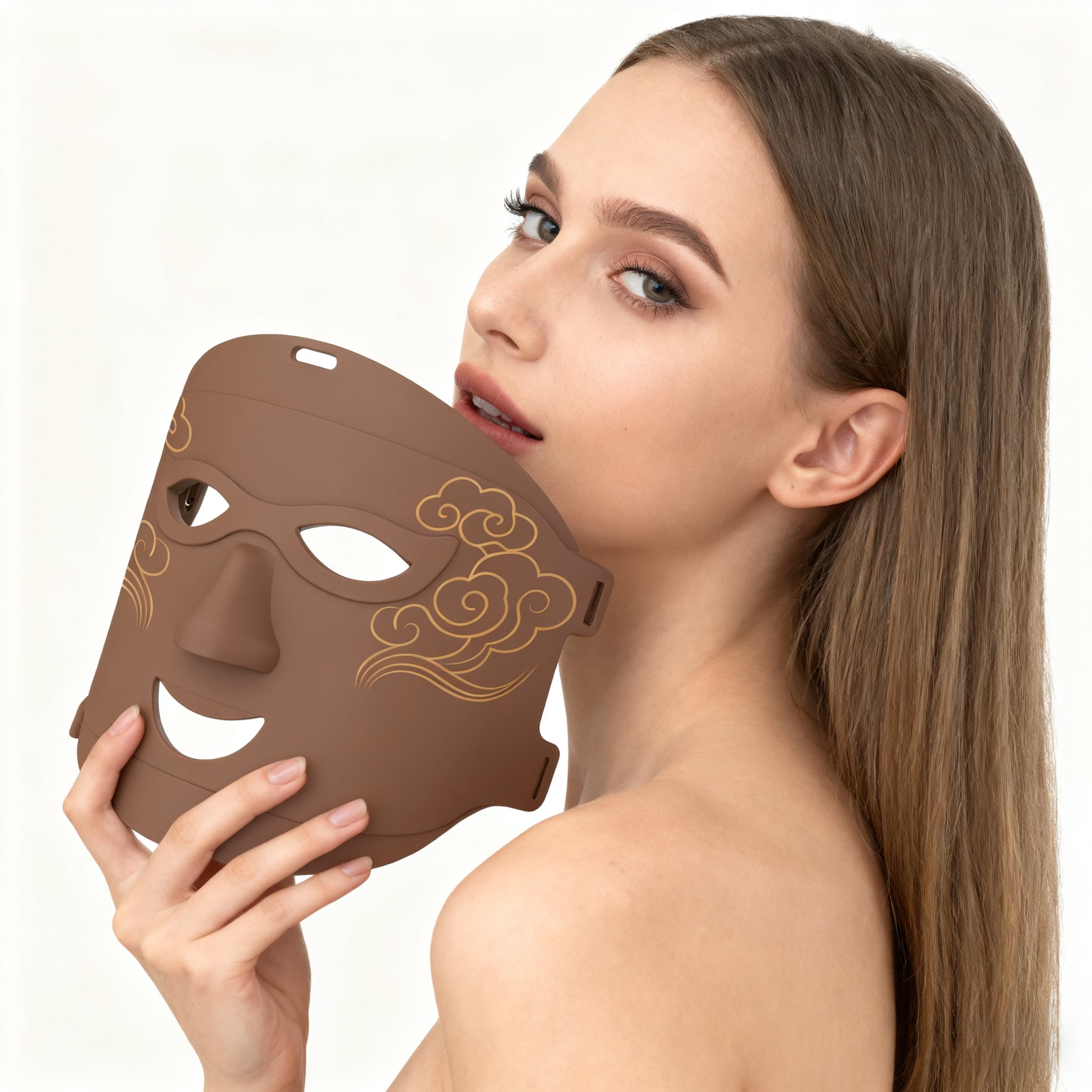
An LED face device can be easy to overthink. The useful question is not whether it can replace every skincare step; it is whether you can give it a consistent, comfortable place in the routine you already keep. For most people, the simplest answer is early in the evening routine: after cleansing, before leave-on products, and according to the device’s own instructions.
From a skin-management perspective, an LED face routine often works well when it is deliberately simple: clean skin, a predictable schedule, and no pressure to chase an overnight change. At-home LED light therapy is often described as generally well tolerated, but temporary irritation can occur. Personal conditions, medications, and the specific device manual still matter.
“Nightly” does not automatically mean every night. An LED face mask, panel, or handheld tool may have different light settings, treatment times, eye-protection requirements, and frequency guidance. Read those instructions before fitting the device into your evening. If the manual gives a schedule, let that schedule lead; do not extend a session because a longer session feels more productive.
If you have a history of light sensitivity, are taking medicines that may increase photosensitivity, have an active skin flare, or are under treatment for a skin condition, ask a qualified clinician before beginning. This is not a formality. It helps you decide whether an LED face device belongs in your routine at all and what precautions are appropriate for you.
A practical sequence keeps the treatment step separate from products that may feel occlusive, sting, or leave residue on the device. If your product manual says otherwise, follow that manual. Otherwise, this is a sensible framework to discuss with your skincare professional:
That order is a starting point, not a universal prescription. Some LED face devices are designed for use with a particular serum or conductive product, while others specify clean, dry skin only. The device documentation wins whenever it differs from this general framework.
Many people place an LED face session immediately after cleansing because it creates a clear cue: cleanse, treat, moisturize. Choose a time that is realistic. If your evenings often become rushed, use the device earlier—after dinner, while you read, or before you begin the rest of your wind-down routine—rather than waiting until you are too tired to use it properly.
Start with the manufacturer’s recommended cadence and track comfort, not just appearance. A brief note can be enough: date, setting, duration, and whether your skin felt normal, warm, dry, or irritated afterward. The point is not to create a complicated diary. It is to notice patterns before adding more frequency. Consistency over several weeks is more meaningful than doing an LED face treatment intensely for a few days and then stopping.
One common mistake is changing everything at once: a new LED face device, a new exfoliant, a new retinoid, and a richer night cream. If your skin becomes uncomfortable, you will not know what caused it. Keep the rest of the routine stable when you start. If you already use active ingredients, follow their instructions and consider alternating nights or simplifying the routine if your skin feels stressed.
Do not assume that a product is compatible simply because it is popular. Your device maker may give specific exclusions or cleaning guidance. When in doubt, use the simplest routine around an LED face session and introduce changes one at a time. That approach is less exciting, but it is much easier to sustain.
It is also worth correcting a small misconception: “gentle” does not mean “right for everyone every night.” A comfortable response and adherence to the manual are better indicators than a dramatic sensation during treatment.
| Routine moment | What to do | What to watch |
|---|---|---|
| First week | Use the LED face device only as frequently and as long as the manual recommends. | New sensitivity, tightness, or discomfort. |
| Following weeks | Keep the same placement after cleansing and before your usual simple leave-on care. | Whether the routine remains comfortable and practical. |
| When skin is unsettled | Pause and return to a basic routine; seek advice if symptoms persist or are significant. | Whether an active flare or product change is the more likely issue. |
A sustainable nightly routine does not have to be the longest one. It is the one you can follow safely and consistently. Keep your LED face device where you cleanse or moisturize, charge it before you need it, clean it as directed, and avoid making a single session carry all your skincare expectations.
If your skin is healthy and the device instructions suit your situation, a regular LED face step can sit neatly between cleansing and the rest of your evening care. If there is uncertainty—especially around sensitivity, medications, or a diagnosed condition—pause the experiment and ask a dermatologist or other qualified clinician. A calmer routine is generally a more sensible foundation than pushing through discomfort.

2026/10/30
Discover why in-house mold development helps an RF beauty device manufacturer improve product consistency, iteration speed, tooling control, and production readiness.

2026/10/30
Learn how to verify an RF beauty device manufacturer's R&D and prototyping capabilities using practical engineering workflows and audit checklists.

2026/10/30
Learn what shapes MOQ when choosing an RF beauty device manufacturer and how to plan a lower-risk first order with balanced platform and customization.

2026/10/30
Use this RF beauty device manufacturer evaluation checklist to compare safety evidence, OEM and ODM capability, quality control, and launch readiness.

2026/10/30
See how technology makes beauty at home more guided, consistent, and informed—plus a practical checklist for choosing devices wisely.

2026/10/30
Explore how AI and smart devices shape the future of beauty with responsive routines, clear guidance, trustworthy design, and user-controlled care.

Ideal for daily facial care routines, providing easy-to-use beauty solutions at home.

Perfect for spas and salons’ frequent treatments, enhancing client experiences and results.

Supports dermatologists with advanced devices for professional skin therapy sessions.

Delivers innovative solutions for full-body massage and relaxation with home devices.

Features anti-aging technologies to help reduce wrinkles and stimulate skin vitality.

Specialized devices for safe and effective hair removal suitable for home or clinic use.

Our customers love the Perfect Idea beauty devices. Quality, packaging, and results are all outstanding. We saw increased repeat sales after adding their facial cleansers to our lineup. Their support team is responsive and reliable.

Perfect Idea brings innovation and reliability to home beauty appliances. Our collaboration introduced their massage tools to Japanese women, boosting customer satisfaction and growing our brand trust across the region.

We partnered with Shenzhen Perfect Idea Tech for their beauty equipment. The shipping was fast and every product matched our expectations. Their home-use massagers are especially popular with local salons and home users.

The stylish packaging and attractive design make Perfect Idea stand out. French consumers appreciate the easy instructions and visible results. Communication was efficient and orders always arrived on time.

Perfect Idea home use personal care devices have become a favorite with our clients. The beauty device line offers quality at a reasonable price, and technical training for our staff made onboarding easy.

We selected Perfect Idea for our beauty product portfolio and have seen very positive feedback from our customers. Products are easy to market online and the customer support is reliable and helpful.
