 EN
Home Skincare
Ideal for daily facial care routines, providing easy-to-use beauty solutions at home.

2026/09/29
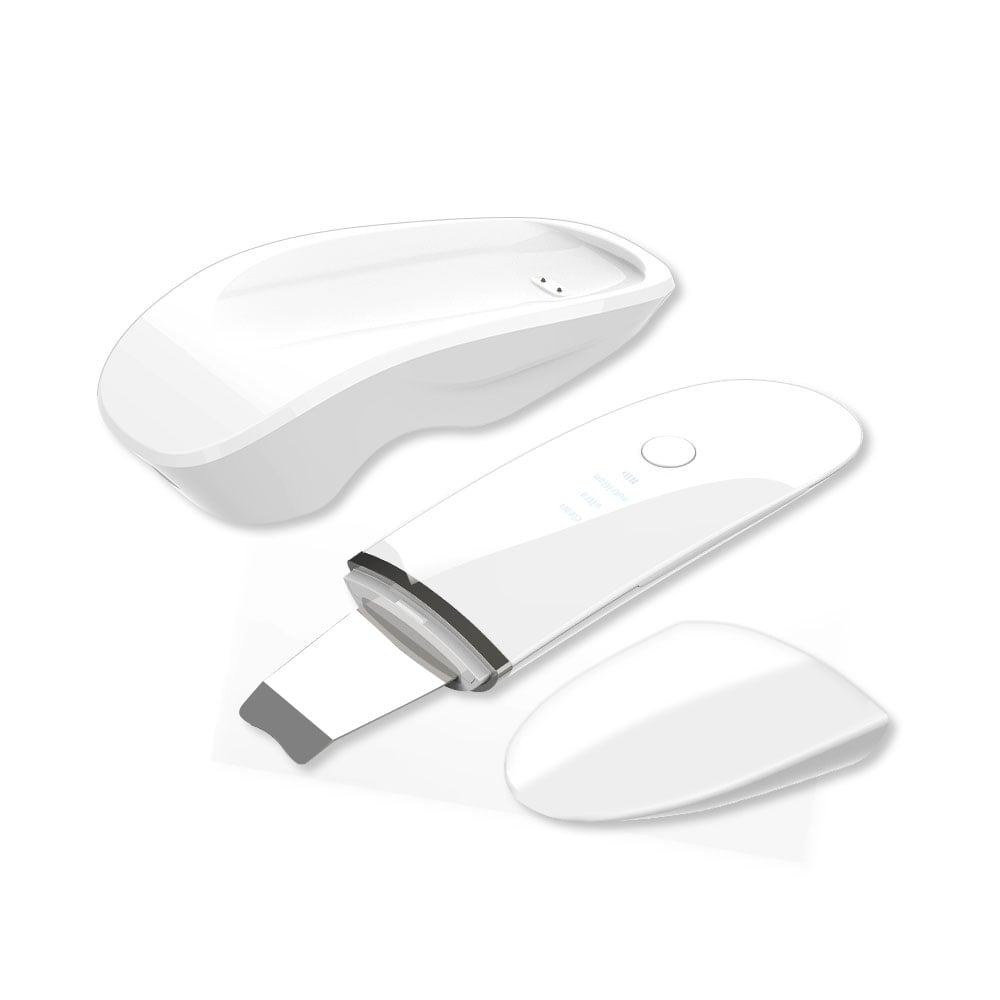
Choosing beauty products for a skincare line is not a matter of picking attractive jars or following the loudest trend. For a brand buyer, quality is a repeatable system: a clear product brief, evidence behind the formula, practical packaging choices, controlled samples, and a supplier that can communicate consistently. A useful beauty assortment should be safe and understandable for its intended market, while still giving customers a reason to return.
This guide gives private-label teams a buyer-first way to screen beauty products before they become expensive inventory. It focuses on questions you can ask, documents you can review, and sample tests you can run before making claims or committing to a launch.
The strongest beauty sourcing decisions begin with boundaries. Define the customer, use occasion, price position, format, texture expectations, fragrance direction, and target markets. Decide whether the product is meant to support cleansing, hydration, soothing, a routine step, or a device-led ritual. That brief keeps a beauty supplier conversation focused on fit rather than on a long list of disconnected stock formulas.
Write down the claims you hope to make, but treat them as questions until they are substantiated. “Gentle,” “brightening,” “suitable for sensitive skin,” and similar language can mean different things in different markets. A high-quality beauty product is one whose formula, documentation, label language, and customer promise all agree.
You do not need to be a chemist to ask disciplined questions about a beauty formula. Request the ingredient list, intended use directions, storage guidance, batch information, and any available safety or stability documentation. Ask the supplier to explain the purpose of the key ingredients in plain language. If an answer changes from sample to sample, that is a warning sign for a beauty line that needs predictable repeat orders.
Avoid treating a fashionable ingredient as proof of quality. In beauty sourcing, the complete formula experience matters: how it spreads, how it layers with adjacent products, how it looks after storage, and whether the promised experience can be repeated.
Documentation is where a promising beauty concept becomes a manageable commercial product. Ask what technical, safety, manufacturing, and labeling materials the supplier can provide for the product and the markets you serve. The exact package varies by product and destination, so do not assume that one document proves every claim or market requirement.
Build a simple review folder for each beauty SKU. Include the current ingredient information, sample approval record, artwork version, supplier contacts, batch traceability details, and notes from your own evaluation. This creates a decision trail when packaging changes, the formula is updated, or a customer question reaches your team months after launch.
A sample is not only for approving scent or color. Test each beauty product in the same situation your customer will face. Use it with the suggested quantity, observe its texture at application, note pilling or residue with neighboring routine steps, and compare a fresh sample with one held under the storage conditions recommended by the supplier. Keep observations specific rather than relying on a general “looks good.”
For a device-oriented skincare range, test the full routine: cleansing, product application, the device interaction where relevant, and the feel afterward. The goal is not to make a medical claim. It is to confirm that the beauty experience is coherent, easy to explain, and unlikely to create avoidable customer confusion.
| Area | What to record | Why it matters |
|---|---|---|
| Appearance | Color, clarity, fill level, visible changes | Supports consistent beauty presentation |
| Application | Spread, absorption, residue, fragrance impression | Tests the daily customer experience |
| Packaging | Dispensing, closure, leakage, label legibility | Checks whether the beauty product travels and stores well |
| Records | Batch, date received, reviewer comments | Creates a traceable approval decision |
Packaging can protect or undermine a beauty formula. Confirm that the dispenser matches the product’s viscosity and that the closure is practical for normal use. Review whether the label has room for required directions, cautions, ingredients, and market-specific information. A premium-looking beauty package that leaks, dispenses too much, or obscures instructions is not a premium customer experience.
Ask for a filled sample when possible. Empty component samples are useful for design, but they cannot show how the beauty product behaves after filling, shipping, opening, and repeated use. Photograph the sample, record the component version, and make any approval conditional on the final production configuration.
High-quality beauty products depend on high-quality communication. During sampling, notice whether the supplier answers precisely, names limitations, tracks revisions, and documents what was sent. A partner who can say “we need to verify that” is often more reliable than one who promises every outcome immediately.
Use a small pilot order to test the working relationship before scaling a beauty launch. Review how the supplier handles sample feedback, artwork corrections, production timing, packing instructions, and batch identification. This does not guarantee future performance, but it reveals whether their process supports the level of control your brand needs.
Claim discipline protects the brand and helps customers understand what a beauty product is for. Match every marketing statement to the product information and support you actually have. Prefer clear usage-led language over dramatic promises. Explain texture, routine placement, and intended feel; avoid turning ordinary skincare language into a promise that the product cannot support.
Before approving a page or label, ask: Would a customer understand how to use this beauty product? Can our team explain the claim using the product file? Does the wording stay consistent across the carton, website, and campaign? If the answer is unclear, revise before launch.
A simple approval gate makes beauty product selection more scalable. Require sign-off on the brief, supplier documents, final filled sample, packaging check, claim wording, and pilot-order observations. Keep the same gate for every SKU, even when a product looks easy. Consistency prevents a fast-moving beauty assortment from accumulating undocumented exceptions.
At each handoff, pause the beauty review and ask the same questions: is this the approved formula version, is the filled beauty sample traceable, does the package work with the actual product, and does the customer-facing copy stay within the available evidence? Repeating this beauty checklist turns individual opinions into a usable approval standard.
Keep the checklist with the product file, not only in email. When a beauty supplier proposes a small adjustment, compare it against the approved sample and records before accepting it. This is especially useful when a line includes several textures, accessories, or routine steps that must feel consistent together.
Finally, give your commercial and customer-service teams a short beauty product brief. They should know the intended user, how the product fits a routine, the approved usage language, and the version they are describing. Clear internal guidance helps the beauty promise remain stable after launch. A consistent beauty review also makes it easier to train new team members, compare future beauty samples, and protect the intended beauty experience across channels.
The most dependable beauty products for a skincare line are not simply the most novel items in a catalog. They are products your team can evaluate, document, explain, package, and reorder with confidence. By combining a defined brief, evidence-led review, realistic sample testing, packaging checks, and a disciplined supplier process, you can build a beauty range that feels considered from the first customer use through the next production run.

2026/10/30
Discover why in-house mold development helps an RF beauty device manufacturer improve product consistency, iteration speed, tooling control, and production readiness.

2026/10/30
Learn how to verify an RF beauty device manufacturer's R&D and prototyping capabilities using practical engineering workflows and audit checklists.

2026/10/30
Learn what shapes MOQ when choosing an RF beauty device manufacturer and how to plan a lower-risk first order with balanced platform and customization.

2026/10/30
Use this RF beauty device manufacturer evaluation checklist to compare safety evidence, OEM and ODM capability, quality control, and launch readiness.

2026/10/30
See how technology makes beauty at home more guided, consistent, and informed—plus a practical checklist for choosing devices wisely.

2026/10/30
Explore how AI and smart devices shape the future of beauty with responsive routines, clear guidance, trustworthy design, and user-controlled care.

Ideal for daily facial care routines, providing easy-to-use beauty solutions at home.

Perfect for spas and salons’ frequent treatments, enhancing client experiences and results.

Supports dermatologists with advanced devices for professional skin therapy sessions.

Delivers innovative solutions for full-body massage and relaxation with home devices.

Features anti-aging technologies to help reduce wrinkles and stimulate skin vitality.

Specialized devices for safe and effective hair removal suitable for home or clinic use.

Our customers love the Perfect Idea beauty devices. Quality, packaging, and results are all outstanding. We saw increased repeat sales after adding their facial cleansers to our lineup. Their support team is responsive and reliable.

Perfect Idea brings innovation and reliability to home beauty appliances. Our collaboration introduced their massage tools to Japanese women, boosting customer satisfaction and growing our brand trust across the region.

We partnered with Shenzhen Perfect Idea Tech for their beauty equipment. The shipping was fast and every product matched our expectations. Their home-use massagers are especially popular with local salons and home users.

The stylish packaging and attractive design make Perfect Idea stand out. French consumers appreciate the easy instructions and visible results. Communication was efficient and orders always arrived on time.

Perfect Idea home use personal care devices have become a favorite with our clients. The beauty device line offers quality at a reasonable price, and technical training for our staff made onboarding easy.

We selected Perfect Idea for our beauty product portfolio and have seen very positive feedback from our customers. Products are easy to market online and the customer support is reliable and helpful.
