 EN
Home Skincare
Ideal for daily facial care routines, providing easy-to-use beauty solutions at home.

2026/09/29
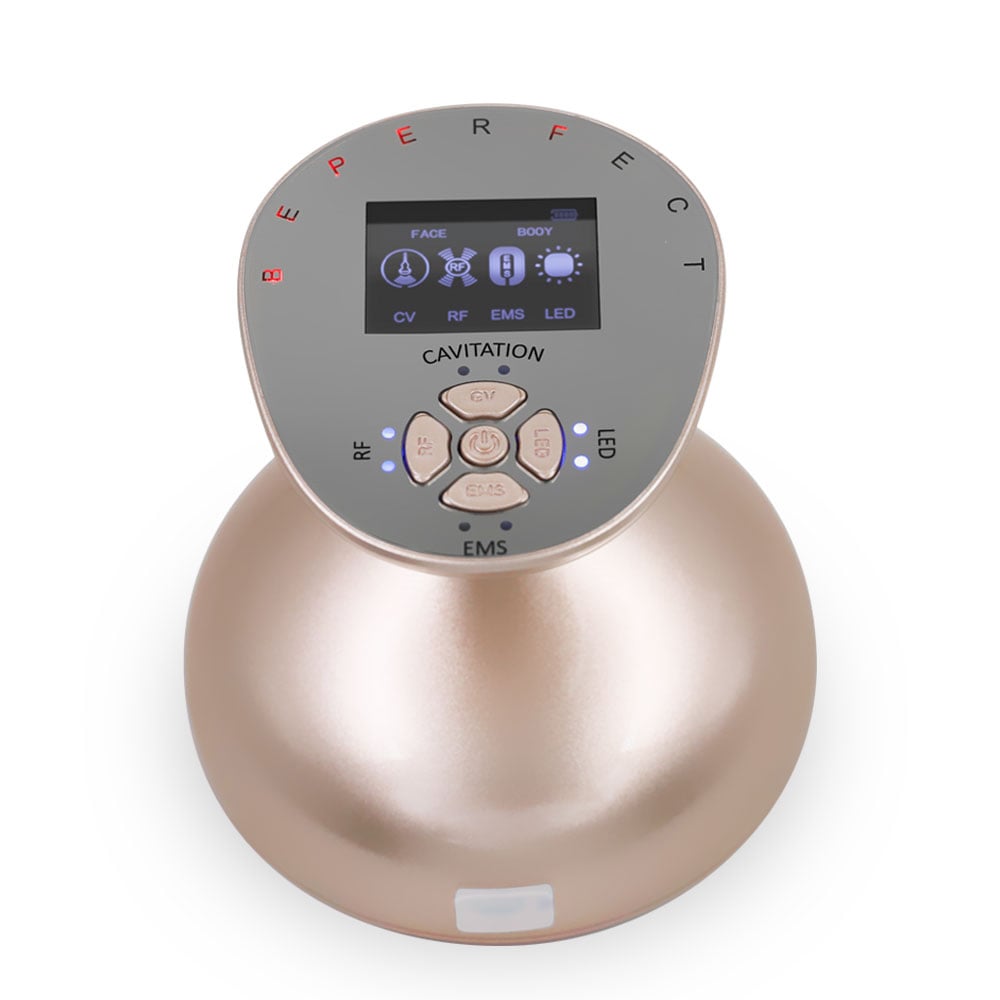
A Custom beauty device project succeeds or fails long before the first production run. For a brand owner, a specification is not a wish list of features. It is the controlled agreement that turns a customer promise into an engineered, testable, manufacturable product. From an international buyer’s perspective, the most useful Custom beauty device brief connects the target user, treatment experience, safety boundary, industrial design, claims, and factory acceptance criteria.
Start with the customer problem, then work toward the hardware. That order matters. A feature-rich Custom beauty device that is awkward to charge, hard to clean, or difficult to explain on packaging can create more return risk than a simpler product with a clear routine. The goal is not to specify every detail on day one; it is to identify the decisions that must be stable before tooling and the decisions that can stay open while samples are evaluated.
Give the Custom beauty device project a one-page commercial brief. Define the intended user, the routine it fits into, the primary skin-care objective, expected session length, sales channels, target markets, price positioning, and brand personality. Be precise about what the device should help users do, but do not turn an intended cosmetic benefit into an unsubstantiated medical claim.
For example, “a compact evening skincare tool for users who want a guided at-home routine” is more actionable than “an innovative facial device.” It guides choices about ergonomics, size, charging, modes, accessories, and instructions. It also tells the development team what should be tested with users. A Custom beauty device may use LED, microcurrent, RF, ultrasonic, or another approach, but the technology should serve the routine rather than lead it.
Separate requirements into four levels: must-have, should-have, optional, and future version. A Custom beauty device needs a short list of non-negotiables, such as intended use, device category, target market, charging method, core treatment mode, basic safety protections, and packaging language. These are the items that drive architecture, sourcing, testing, and cost.
Should-have requirements can include a particular handle finish, app connectivity, a travel pouch, or an additional operating mode. Optional requirements are valuable ideas that should not delay an initial launch. Future-version items belong in a roadmap, not in the first tooling decision. This hierarchy protects the project from feature creep and gives the OEM or ODM team a practical basis for trade-off discussions.
A Custom beauty device specification should describe the complete treatment system: treatment area, contact method, mode logic, session flow, user feedback, cleaning method, power management, and stop conditions. If LED is under consideration, define the intended coverage area, light modes, timer behavior, fit, eye-safety approach, and how the user knows a session is complete. If thermal, RF, EMS, or microcurrent functions are considered, document the intensity range concept, comfort controls, contact expectations, temperature management, and automatic shutoff expectations.
Do not invent numerical performance targets simply because they appear technical. Ask the development team which parameters can be validated at the proposed design stage and which must be finalized after prototype testing. The key question is not “what is the largest number we can print?” but “what setting produces a consistent, comfortable, repeatable user experience within the device’s safety controls?”
Many teams first focus on appearance. In practice, a Custom beauty device needs an industrial-design brief that makes usability observable. Specify the intended grip, hand positions, weight expectation, wet or dry operating context, button feedback, display readability, storage, cleaning access, and charging connection. Describe color, logo location, surface finish, and packaging separately from the underlying mechanical requirements.
A helpful acceptance criterion is behavioral: a new user should be able to identify the correct mode, complete a session, clean the contact area, and return the device to charging without referring repeatedly to the manual. This is more useful than a vague instruction to make the product “premium.” When evaluating samples, record where users hesitate, apply too much force, or misunderstand an indicator. Those observations belong in the next specification revision.
For a Custom beauty device, compliance cannot be a final checklist added after industrial design is frozen. List the intended selling regions, labeling languages, plug or charging requirements, documentation needs, battery transport considerations, and the evidence expected for product safety and the planned claims. The required route depends on the product’s intended use and market, so regulatory and test decisions should be verified with qualified specialists and the manufacturing partner before commitments are made.
BEPERFECT’s merchant profile describes experience supplying home beauty devices for global buyers and supporting OEM/ODM development. That does not remove the brand owner’s responsibility to define its own target-market requirements. Instead, use the supplier conversation to surface testability, component traceability, incoming-quality controls, cosmetic inspection standards, and corrective-action expectations. A Custom beauty device spec should state what will be checked, when it will be checked, and what result counts as acceptable.
Before mass production, agree on a sequence of approvals: concept confirmation, appearance sample, functional prototype, pilot sample, packaging proof, and pre-shipment inspection. For every gate, identify the owner, sample quantity, review criteria, response deadline, and change-control process. A Custom beauty device project becomes easier to manage when design changes are recorded against the requirement they affect, rather than approved in scattered messages.
At pilot stage, evaluate function consistency, assembly fit, cosmetic quality, charging behavior, packaging protection, instructions, and the full unboxing routine. If a change alters safety, performance, materials, or claims, assess whether it also changes testing or documentation needs. This is where a clear specification saves time: it lets both sides distinguish a real nonconformance from a preference change.
The strongest Custom beauty device specifications do not try to predict every engineering detail. They define the intended experience, the boundaries that cannot move, and the evidence required before each decision is approved. Begin with the user and market, turn priorities into testable requirements, and reserve room to learn from prototypes. That approach gives a brand a clearer development conversation and gives the factory a more reliable path from concept to repeatable production.

2026/10/30
Discover why in-house mold development helps an RF beauty device manufacturer improve product consistency, iteration speed, tooling control, and production readiness.

2026/10/30
Learn how to verify an RF beauty device manufacturer's R&D and prototyping capabilities using practical engineering workflows and audit checklists.

2026/10/30
Learn what shapes MOQ when choosing an RF beauty device manufacturer and how to plan a lower-risk first order with balanced platform and customization.

2026/10/30
Use this RF beauty device manufacturer evaluation checklist to compare safety evidence, OEM and ODM capability, quality control, and launch readiness.

2026/10/30
See how technology makes beauty at home more guided, consistent, and informed—plus a practical checklist for choosing devices wisely.

2026/10/30
Explore how AI and smart devices shape the future of beauty with responsive routines, clear guidance, trustworthy design, and user-controlled care.

Ideal for daily facial care routines, providing easy-to-use beauty solutions at home.

Perfect for spas and salons’ frequent treatments, enhancing client experiences and results.

Supports dermatologists with advanced devices for professional skin therapy sessions.

Delivers innovative solutions for full-body massage and relaxation with home devices.

Features anti-aging technologies to help reduce wrinkles and stimulate skin vitality.

Specialized devices for safe and effective hair removal suitable for home or clinic use.

Our customers love the Perfect Idea beauty devices. Quality, packaging, and results are all outstanding. We saw increased repeat sales after adding their facial cleansers to our lineup. Their support team is responsive and reliable.

Perfect Idea brings innovation and reliability to home beauty appliances. Our collaboration introduced their massage tools to Japanese women, boosting customer satisfaction and growing our brand trust across the region.

We partnered with Shenzhen Perfect Idea Tech for their beauty equipment. The shipping was fast and every product matched our expectations. Their home-use massagers are especially popular with local salons and home users.

The stylish packaging and attractive design make Perfect Idea stand out. French consumers appreciate the easy instructions and visible results. Communication was efficient and orders always arrived on time.

Perfect Idea home use personal care devices have become a favorite with our clients. The beauty device line offers quality at a reasonable price, and technical training for our staff made onboarding easy.

We selected Perfect Idea for our beauty product portfolio and have seen very positive feedback from our customers. Products are easy to market online and the customer support is reliable and helpful.
