 EN
Home Skincare
Ideal for daily facial care routines, providing easy-to-use beauty solutions at home.

2026/10/10
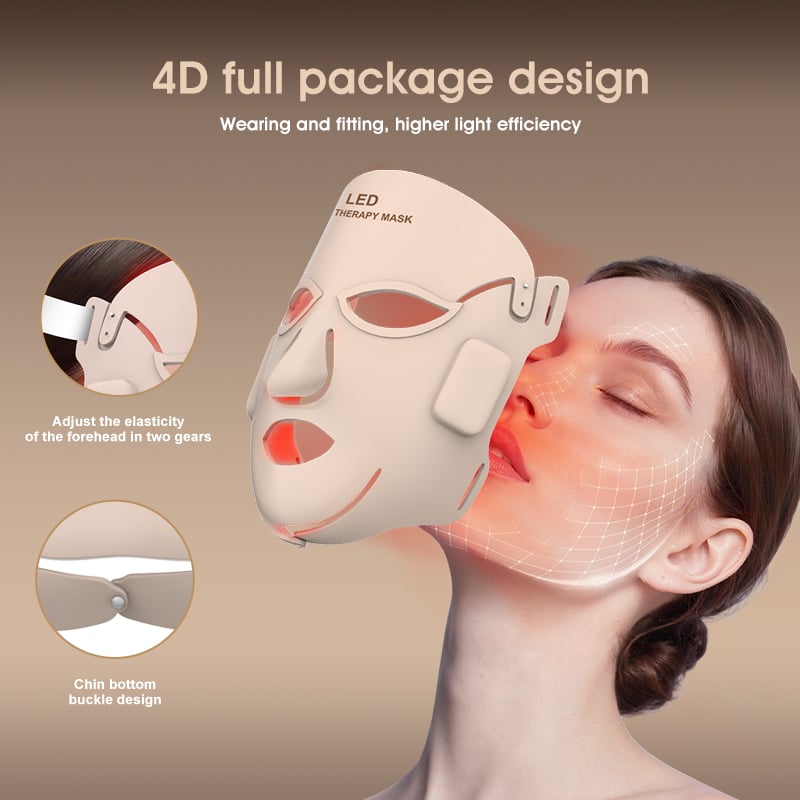
Using red light therapy face care with microcurrent lifting can make a home routine feel more deliberate, but the soundest result is a routine you can use consistently and safely. These are different modalities: LED light is typically used as a skin-focused step, while microcurrent is a contact-based treatment commonly used around facial contours. They do not need to be pushed to their highest settings or stacked carelessly to belong in the same week.
As a beauty-device technical adviser, I suggest starting with the manufacturer directions for both devices. That may sound obvious, yet it resolves the biggest practical question: whether the device is intended for clean, dry skin, whether a conductive gel is required, and how many sessions the brand recommends. A red light therapy face routine should complement those instructions, not replace them.
A red light therapy face session is usually a hands-free LED step. At-home LED devices vary in design, wavelengths, exposure time, eye protection, and recommended frequency, so their own guide is the controlling document. Dermatology guidance for home red-light devices consistently emphasizes using an appropriate device and following its directions rather than extending treatment simply because more time feels more intensive.
Microcurrent lifting, by contrast, usually needs a water-based conductive gel so the device can glide and maintain even contact. It is often used with slow upward strokes along areas such as the jawline and cheeks. Think of microcurrent as a controlled technique step, not a reason to press hard or repeatedly trace the same area. The practical goal is comfortable, even contact and a routine you can repeat without irritating your skin.
For many people, the easiest same-day sequence is red light therapy face first, then microcurrent. Begin with clean, dry skin if that is what the LED device calls for. Run the LED session for the stated duration. Afterward, apply the conductive gel required by the microcurrent device and complete a gentle lifting pass. Finish by removing excess gel if needed and applying a simple moisturizer.
This order has a practical advantage: it preserves the clean, dry-skin setup commonly requested for LED use. It also avoids putting a layer of conductive gel between the light device and the skin unless that specific LED manufacturer says the product is compatible. If your LED device explicitly permits a particular serum or gel, its instructions take priority.
You do not have to combine the two methods in every session. A red light therapy face plan on one set of days and microcurrent on alternate days can be easier for new users, people with reactive skin, or anyone introducing a new device. This approach makes it easier to notice whether a product, gel, device setting, or frequency is causing discomfort.
A useful first week is modest: use the LED device only as often as its guide allows, and add microcurrent on separate days at a comfortable setting. If the skin remains calm, you can decide whether the same-day sequence is worthwhile. Avoid treating a calendar as a challenge. High-frequency use is not automatically better, and a routine that leaves skin irritated is not a productive lifting routine.
On a red light therapy face and microcurrent day, keep active products simple. It is usually sensible to avoid introducing a strong exfoliating acid, retinoid, or unfamiliar treatment at the same time you test a new device combination. That is not because LED or microcurrent inevitably conflicts with every active ingredient; it is because a simpler routine makes a reaction easier to identify and manage.
Hydration matters in a practical way. Use the conductive medium specified for the microcurrent device, and do not substitute an oil or a heavy cream if the manufacturer requires a water-based gel. Reapply gel when glide decreases. Dragging the device over nearly dry skin is a common user error and can turn a careful microcurrent step into an uncomfortable one.
Before beginning a red light therapy face routine with microcurrent, review both instruction manuals and pause if their guidance conflicts. Redness, warmth, stinging, headache, or eye discomfort are reasons to stop and reassess rather than increase use. Do not use a damaged device, and do not improvise with settings, chargers, or treatment time.
Microcurrent devices may not be appropriate for everyone. If you have a pacemaker or other implanted electronic device, a seizure condition, are pregnant, have a concerning skin condition, or are unsure whether a treatment is suitable, ask a qualified clinician before use. Seek individualized advice as well after a recent procedure or when taking medication that affects light sensitivity. Your device manual may list additional exclusions, and those exclusions should be followed.
Red light therapy face care is more realistically viewed as one supportive element in a wider skin routine. It is not a replacement for medical evaluation, sun protection, sleep, or a consistent basic regimen. Microcurrent may create a temporary refreshed or more defined look for some users, but it should not be presented as permanent structural lifting. Results, comfort, and suitability vary with the device, skin condition, technique, and consistency.
Take a baseline photo in the same lighting, then review your routine after several weeks rather than judging it after one session. Note the device setting, session length, gel used, and any skin response. That small record helps you identify the lowest comfortable routine that you can maintain.
If your skin is calm and both manuals allow it, use the LED session first and microcurrent second. If your skin feels sensitized, if you are testing a new device, or if you cannot tell what caused a reaction, separate the modalities across different days. The safest red light therapy face routine is not the longest or most complicated one; it is the one that respects device instructions, uses conservative settings, and leaves room to adjust.
In short, cleanse, perform the LED step on dry skin when directed, add the correct conductive gel, use gentle microcurrent passes, and finish with uncomplicated hydration. That sequence provides a clear way to combine two home-care tools without making promises they cannot support.

2026/10/30
Discover why in-house mold development helps an RF beauty device manufacturer improve product consistency, iteration speed, tooling control, and production readiness.

2026/10/30
Learn how to verify an RF beauty device manufacturer's R&D and prototyping capabilities using practical engineering workflows and audit checklists.

2026/10/30
Learn what shapes MOQ when choosing an RF beauty device manufacturer and how to plan a lower-risk first order with balanced platform and customization.

2026/10/30
Use this RF beauty device manufacturer evaluation checklist to compare safety evidence, OEM and ODM capability, quality control, and launch readiness.

2026/10/30
See how technology makes beauty at home more guided, consistent, and informed—plus a practical checklist for choosing devices wisely.

2026/10/30
Explore how AI and smart devices shape the future of beauty with responsive routines, clear guidance, trustworthy design, and user-controlled care.

Ideal for daily facial care routines, providing easy-to-use beauty solutions at home.

Perfect for spas and salons’ frequent treatments, enhancing client experiences and results.

Supports dermatologists with advanced devices for professional skin therapy sessions.

Delivers innovative solutions for full-body massage and relaxation with home devices.

Features anti-aging technologies to help reduce wrinkles and stimulate skin vitality.

Specialized devices for safe and effective hair removal suitable for home or clinic use.

Our customers love the Perfect Idea beauty devices. Quality, packaging, and results are all outstanding. We saw increased repeat sales after adding their facial cleansers to our lineup. Their support team is responsive and reliable.

Perfect Idea brings innovation and reliability to home beauty appliances. Our collaboration introduced their massage tools to Japanese women, boosting customer satisfaction and growing our brand trust across the region.

We partnered with Shenzhen Perfect Idea Tech for their beauty equipment. The shipping was fast and every product matched our expectations. Their home-use massagers are especially popular with local salons and home users.

The stylish packaging and attractive design make Perfect Idea stand out. French consumers appreciate the easy instructions and visible results. Communication was efficient and orders always arrived on time.

Perfect Idea home use personal care devices have become a favorite with our clients. The beauty device line offers quality at a reasonable price, and technical training for our staff made onboarding easy.

We selected Perfect Idea for our beauty product portfolio and have seen very positive feedback from our customers. Products are easy to market online and the customer support is reliable and helpful.
