 EN
Home Skincare
Ideal for daily facial care routines, providing easy-to-use beauty solutions at home.

2026/10/09
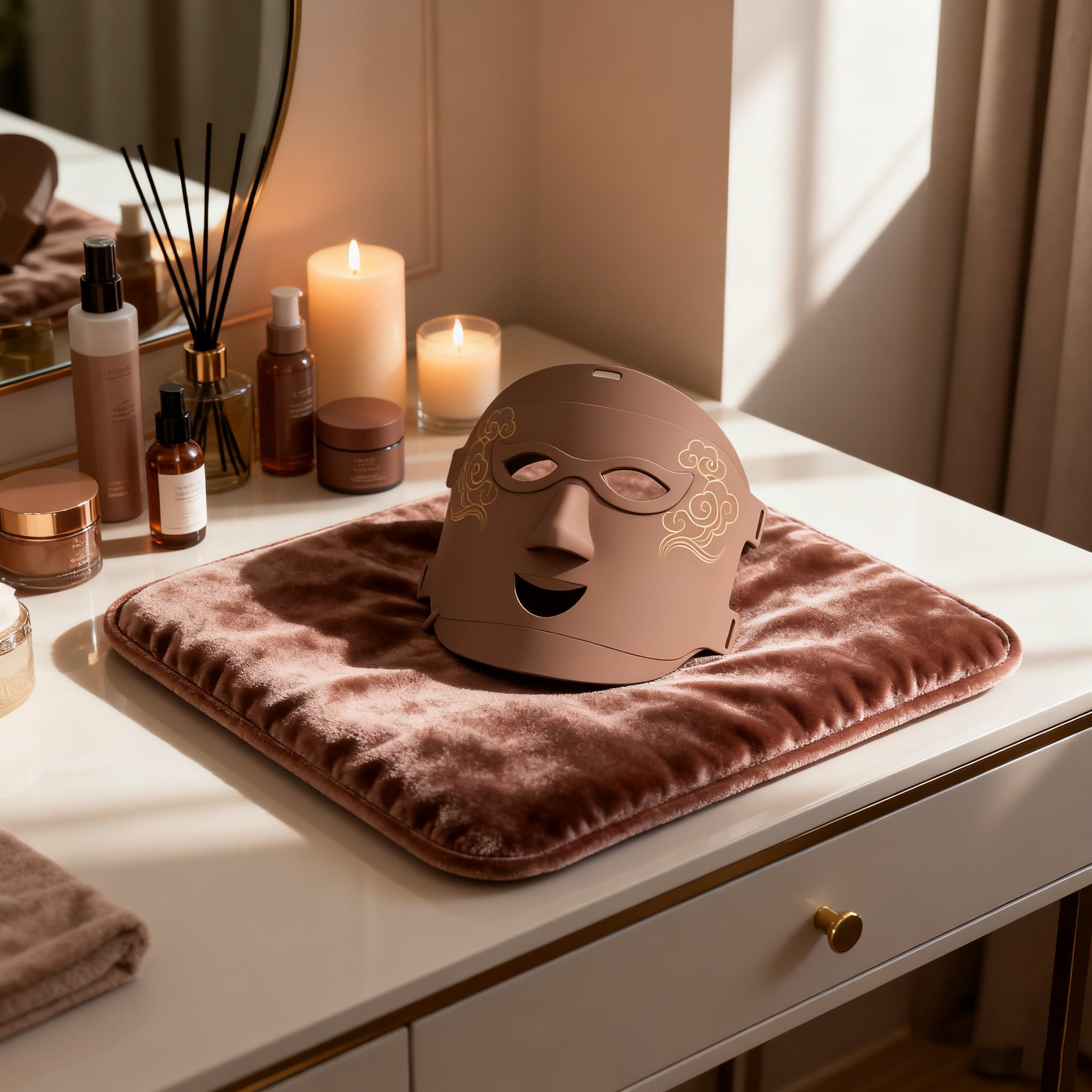
LED light therapy is often easiest to use when it is treated as one calm step in a broader skin plan, not as an add-on to every treatment you can fit into a week. From a skin-management perspective, the useful question is not “What can I stack?” but “What is my skin recovering from, and what does my clinician or device protocol say next?” That distinction matters when combining LED light therapy with active skincare, facials, microneedling, peels, injectables, or energy-based procedures.
LED light therapy uses non-thermal light at selected wavelengths. It is commonly discussed for concerns such as the appearance of blemishes, redness, and signs of photoaging, but it is not a substitute for diagnosis or prescribed care. A practical routine respects skin tolerance, product directions, and professional aftercare first.
When two treatments are planned together, let the more invasive or irritating one set the timetable. A gentle at-home light session may fit around a simple skincare routine. A medium-depth peel, resurfacing procedure, microneedling appointment, or injectable treatment is different: the provider’s instructions should govern when any device, light exposure, makeup, exfoliant, massage, or heat can return.
A useful rule is to avoid adding variables during a recovery window. If your skin is warm, swollen, broken, unusually sensitive, crusting, or more reactive than usual, do not use LED light therapy merely because it feels gentle. Contact the treating clinician if symptoms are unexpected or worsening.
For an uncomplicated home routine, use the device on clean, dry skin unless the device manufacturer specifically allows a compatible serum. Heavy creams, oils, sunscreen, and makeup can make the session less straightforward and may not be appropriate for the device surface. Afterward, choose a bland moisturizer and daytime sun protection as needed.
The goal is not to build the longest routine. Many people learn that consistency and skin comfort matter more than layering every available feature into one evening.
After a basic hydrating facial, an LED light therapy session may be part of the provider’s service protocol. At home, however, do not copy a salon sequence without knowing which exfoliants, extractions, peels, or devices were used. If the facial left your skin flushed or tender, simplify your routine and wait until it feels settled.
For chemical peels and stronger exfoliation, follow the peel provider’s aftercare rather than a generic timetable. The same caution applies to scrubs and at-home exfoliating devices. Stacking irritation is a common planning error: each step may seem mild alone, while the combination becomes uncomfortable.
Professional practices may use light-based modalities as part of a controlled protocol, but that does not make every home LED light therapy device appropriate immediately before or after a procedure. Microneedling, ablative or non-ablative laser treatments, radiofrequency, and similar services can have procedure-specific restrictions based on depth, skin condition, treatment area, and the settings used.
Before scheduling LED light therapy around one of these procedures, ask the provider four specific questions:
Written aftercare beats a one-size-fits-all internet schedule. This is particularly important for darker skin tones, a history of post-inflammatory hyperpigmentation, rosacea flares, cold sores, or conditions managed with prescription medication.
After botulinum toxin or dermal filler, do not add LED light therapy, massage, pressure, heat, or a new device routine until the injector has given you a clear answer. Recommendations vary with the product, injection sites, technique, and your individual history. Keep the appointment’s aftercare sheet and use it as the deciding document.
If a provider approves LED light therapy, still avoid pressing a mask or handheld device into tender injection areas. A comfortable, uneventful recovery is more valuable than squeezing in an extra session.
| Situation | Best next step | Why |
|---|---|---|
| Normal, calm skin and a familiar home routine | Use LED light therapy according to the device instructions, then keep skincare gentle. | Fewer changes make tolerance easier to monitor. |
| New active product or medication | Check the label and ask a clinician or pharmacist about sensitivity before combining treatments. | Some ingredients and medicines need individualized guidance. |
| Recent professional peel, microneedling, laser, radiofrequency, or injectable | Follow the treating provider’s written aftercare before restarting LED light therapy. | Recovery requirements depend on the procedure and your skin. |
| Burning, swelling, rash, broken skin, or unusual pain | Pause devices and seek professional advice. | More treatment is not the answer to an adverse reaction. |
Read your LED light therapy device manual and keep eye protection requirements in mind. Review medication and skincare labels for photosensitivity language. People with a light-sensitive condition, a history of reactions to light, active infection, unexplained rash, or a treatment plan from a dermatologist should get individualized advice first. Pregnancy, recent surgery, and eye conditions are also reasons to discuss device use with an appropriate clinician rather than relying on a general guide.
Keep a short log of treatment dates, products, skin responses, and any professional aftercare. That practical record makes it easier to spot whether irritation followed a new active ingredient, a procedure, or a change in LED light therapy frequency.
LED light therapy can be a manageable part of an aesthetic routine when the skin is stable and the device is used as directed. Combine it conservatively: keep everyday routines simple, do not stack irritation, and let the clinician who performed an invasive treatment determine when to restart it. That approach supports a more comfortable routine without making promises that any one device or treatment cannot responsibly make.

2026/10/30
Discover why in-house mold development helps an RF beauty device manufacturer improve product consistency, iteration speed, tooling control, and production readiness.

2026/10/30
Learn how to verify an RF beauty device manufacturer's R&D and prototyping capabilities using practical engineering workflows and audit checklists.

2026/10/30
Learn what shapes MOQ when choosing an RF beauty device manufacturer and how to plan a lower-risk first order with balanced platform and customization.

2026/10/30
Use this RF beauty device manufacturer evaluation checklist to compare safety evidence, OEM and ODM capability, quality control, and launch readiness.

2026/10/30
See how technology makes beauty at home more guided, consistent, and informed—plus a practical checklist for choosing devices wisely.

2026/10/30
Explore how AI and smart devices shape the future of beauty with responsive routines, clear guidance, trustworthy design, and user-controlled care.

Ideal for daily facial care routines, providing easy-to-use beauty solutions at home.

Perfect for spas and salons’ frequent treatments, enhancing client experiences and results.

Supports dermatologists with advanced devices for professional skin therapy sessions.

Delivers innovative solutions for full-body massage and relaxation with home devices.

Features anti-aging technologies to help reduce wrinkles and stimulate skin vitality.

Specialized devices for safe and effective hair removal suitable for home or clinic use.

Our customers love the Perfect Idea beauty devices. Quality, packaging, and results are all outstanding. We saw increased repeat sales after adding their facial cleansers to our lineup. Their support team is responsive and reliable.

Perfect Idea brings innovation and reliability to home beauty appliances. Our collaboration introduced their massage tools to Japanese women, boosting customer satisfaction and growing our brand trust across the region.

We partnered with Shenzhen Perfect Idea Tech for their beauty equipment. The shipping was fast and every product matched our expectations. Their home-use massagers are especially popular with local salons and home users.

The stylish packaging and attractive design make Perfect Idea stand out. French consumers appreciate the easy instructions and visible results. Communication was efficient and orders always arrived on time.

Perfect Idea home use personal care devices have become a favorite with our clients. The beauty device line offers quality at a reasonable price, and technical training for our staff made onboarding easy.

We selected Perfect Idea for our beauty product portfolio and have seen very positive feedback from our customers. Products are easy to market online and the customer support is reliable and helpful.
