 EN
Home Skincare
Ideal for daily facial care routines, providing easy-to-use beauty solutions at home.

2026/09/27
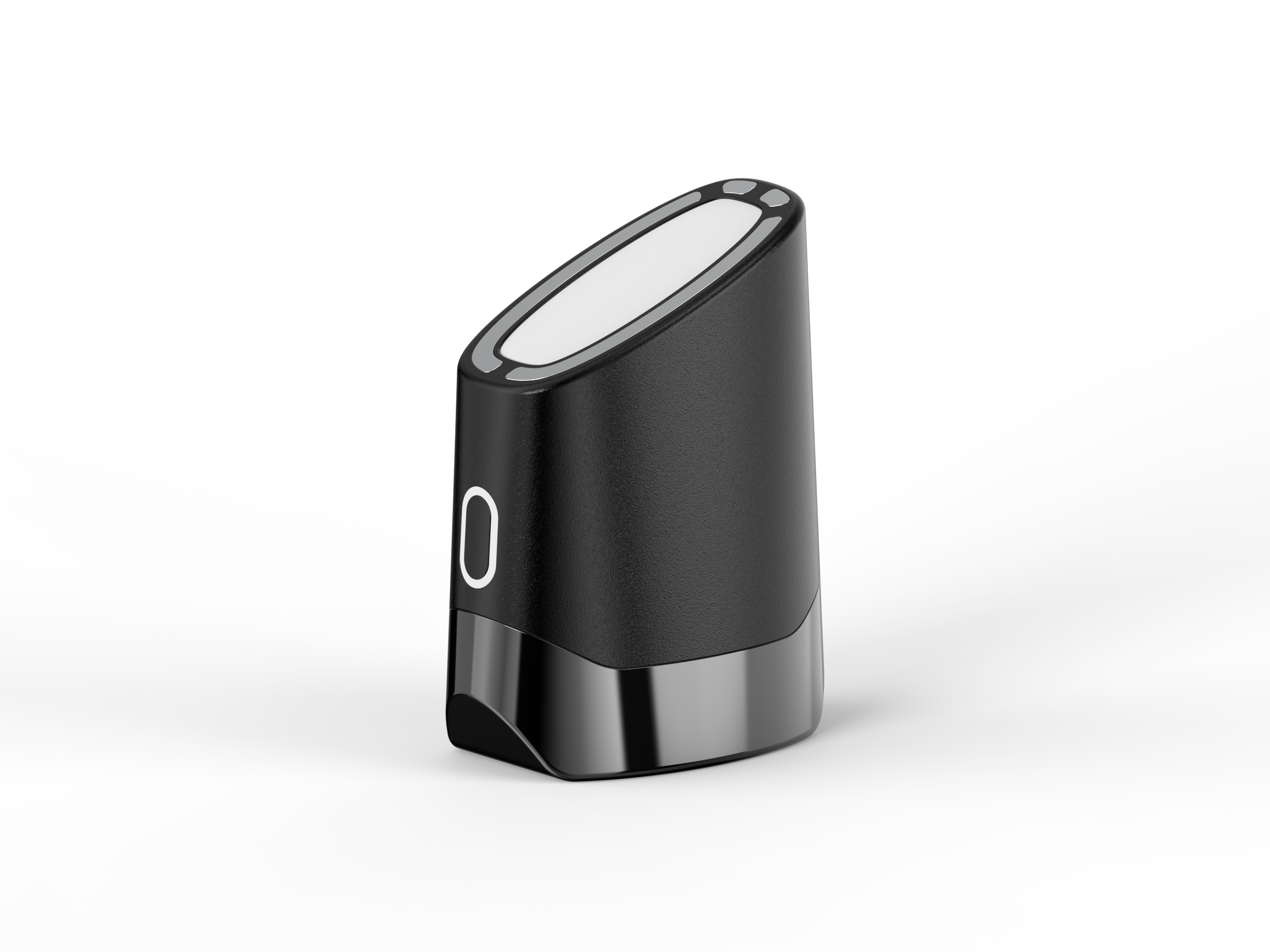
Using an EMS face device and red light therapy in one routine can be a sensible way to make skincare time more intentional. The important word is “can.” These are two different technologies, and pairing them does not turn either one into a medical treatment or guarantee a lifted, younger-looking result. A good combined routine is built around clean skin, tolerable settings, consistent use, and the instructions that came with each device.
As a practical rule, use your EMS face device for the muscle-stimulation session it is designed to provide, and use red light therapy as a separate light session. Start slowly enough that you can tell how your skin responds. That approach is more useful than trying to make every session longer or more intense.
An EMS face device delivers small electrical impulses intended to create a facial-muscle stimulation experience. Red light therapy devices expose the skin to specified wavelengths of visible red or near-infrared light, depending on the model. Because the mechanisms are different, a sensible way to combine them is not to assume their effects “stack” automatically. Think of the routine as two controlled steps with a skin-comfort check between them.
For many home users, the real benefit of combining steps is routine consistency: a short, repeatable self-care appointment that does not require guessing which device comes next. Your device manuals remain the authority on session duration, conductive gel, eye protection, and contraindications.
A conservative starting sequence is red light therapy first, then the EMS face session. Begin with freshly cleansed, completely dry skin for the light session unless the red light device specifically says otherwise. Afterward, apply the conductive medium required by the EMS device and complete the stimulation step. This order can be practical because conductive gel is not left on the skin during the light portion.
That said, device directions override any generic sequence. Some systems are designed around their own serum, mask, or combined-mode instructions. If one manual says to use a particular product or to avoid combining modalities in the same session, follow that label. Do not improvise a combined routine around a device with unclear directions.
With an EMS face device, comfortable contact matters more than chasing a strong sensation. Use the amount of conductive gel specified for your EMS face device, choose a low setting at first, and follow the recommended treatment path. If one side of the face feels noticeably sharper than the other, reduce the setting or stop to check placement. An EMS face session should feel controlled, not painful.
It is also reasonable to reserve an EMS face session for days when your skin is calm. After a strong exfoliant, a sunburn, or a new product reaction, let the skin settle rather than treating the device routine as a test of tolerance.
When two technologies are new to you, begin by using each one on the lower end of its recommended frequency. You might introduce red light therapy on its labeled schedule and add the EMS face step only after several comfortable sessions. If your skin stays calm, follow the maintenance frequency in each manufacturer’s guide. More sessions are not automatically better; they can make it harder to identify what caused irritation or discomfort.
Keeping a brief note after each session helps. Record the settings, approximate duration, products used, and any next-day response. This is especially helpful if you tend to change several skincare products at once.
For the first month, note whether you used red light therapy, your EMS face device, or both. Include the setting, duration, conductive medium, and how your skin looked the next day. This is not about obsessing over results; it is a practical way to separate an EMS face response from a reaction to a new skincare product.
Pause the routine on irritated, sunburned, broken, or actively inflamed skin. Do not use an EMS face device if its contraindications apply to you, including any restrictions related to implanted electronic devices, certain medical conditions, or recent procedures. Red light therapy also has device-specific precautions, particularly for people with photosensitivity or who use medicines that increase light sensitivity.
If you are pregnant, have a diagnosed skin condition, use prescription skincare, have had facial surgery or injectables recently, or are unsure whether electrical stimulation or light exposure is appropriate for you, ask a qualified clinician before starting. A clinician can advise based on your own history; an online routine cannot.
For an EMS face and red light therapy routine, better results should mean a routine that feels comfortable, fits the official instructions, and supports your broader skincare habits. It should not mean making unsupported promises about lifting, collagen, or treating a medical concern. Sleep, sun protection, gentle cleansing, and a well-tolerated moisturizer still matter.
Take a measured approach: introduce one change at a time, keep both devices within their labeled use, and reassess if your skin becomes reactive. That makes it easier to keep the parts of the routine that work for you and drop the parts that do not.
Often, a same-day routine may be possible when both device manuals allow it and your skin is tolerating each step. Start conservatively and separate the steps so you can follow the preparation directions for each device.
Red light therapy first and EMS afterward is a practical default because it keeps conductive gel out of the light session. Use a different order only when your specific device directions say to do so.
Stop if you notice pain, persistent redness, swelling, burning, or a worsening skin reaction. Resume only when the skin has recovered and consider using one modality at a time or seeking clinical guidance.

2026/10/30
Discover why in-house mold development helps an RF beauty device manufacturer improve product consistency, iteration speed, tooling control, and production readiness.

2026/10/30
Learn how to verify an RF beauty device manufacturer's R&D and prototyping capabilities using practical engineering workflows and audit checklists.

2026/10/30
Learn what shapes MOQ when choosing an RF beauty device manufacturer and how to plan a lower-risk first order with balanced platform and customization.

2026/10/30
Use this RF beauty device manufacturer evaluation checklist to compare safety evidence, OEM and ODM capability, quality control, and launch readiness.

2026/10/30
See how technology makes beauty at home more guided, consistent, and informed—plus a practical checklist for choosing devices wisely.

2026/10/30
Explore how AI and smart devices shape the future of beauty with responsive routines, clear guidance, trustworthy design, and user-controlled care.

Ideal for daily facial care routines, providing easy-to-use beauty solutions at home.

Perfect for spas and salons’ frequent treatments, enhancing client experiences and results.

Supports dermatologists with advanced devices for professional skin therapy sessions.

Delivers innovative solutions for full-body massage and relaxation with home devices.

Features anti-aging technologies to help reduce wrinkles and stimulate skin vitality.

Specialized devices for safe and effective hair removal suitable for home or clinic use.

Our customers love the Perfect Idea beauty devices. Quality, packaging, and results are all outstanding. We saw increased repeat sales after adding their facial cleansers to our lineup. Their support team is responsive and reliable.

Perfect Idea brings innovation and reliability to home beauty appliances. Our collaboration introduced their massage tools to Japanese women, boosting customer satisfaction and growing our brand trust across the region.

We partnered with Shenzhen Perfect Idea Tech for their beauty equipment. The shipping was fast and every product matched our expectations. Their home-use massagers are especially popular with local salons and home users.

The stylish packaging and attractive design make Perfect Idea stand out. French consumers appreciate the easy instructions and visible results. Communication was efficient and orders always arrived on time.

Perfect Idea home use personal care devices have become a favorite with our clients. The beauty device line offers quality at a reasonable price, and technical training for our staff made onboarding easy.

We selected Perfect Idea for our beauty product portfolio and have seen very positive feedback from our customers. Products are easy to market online and the customer support is reliable and helpful.
