 EN
Home Skincare
Ideal for daily facial care routines, providing easy-to-use beauty solutions at home.

2026/09/29
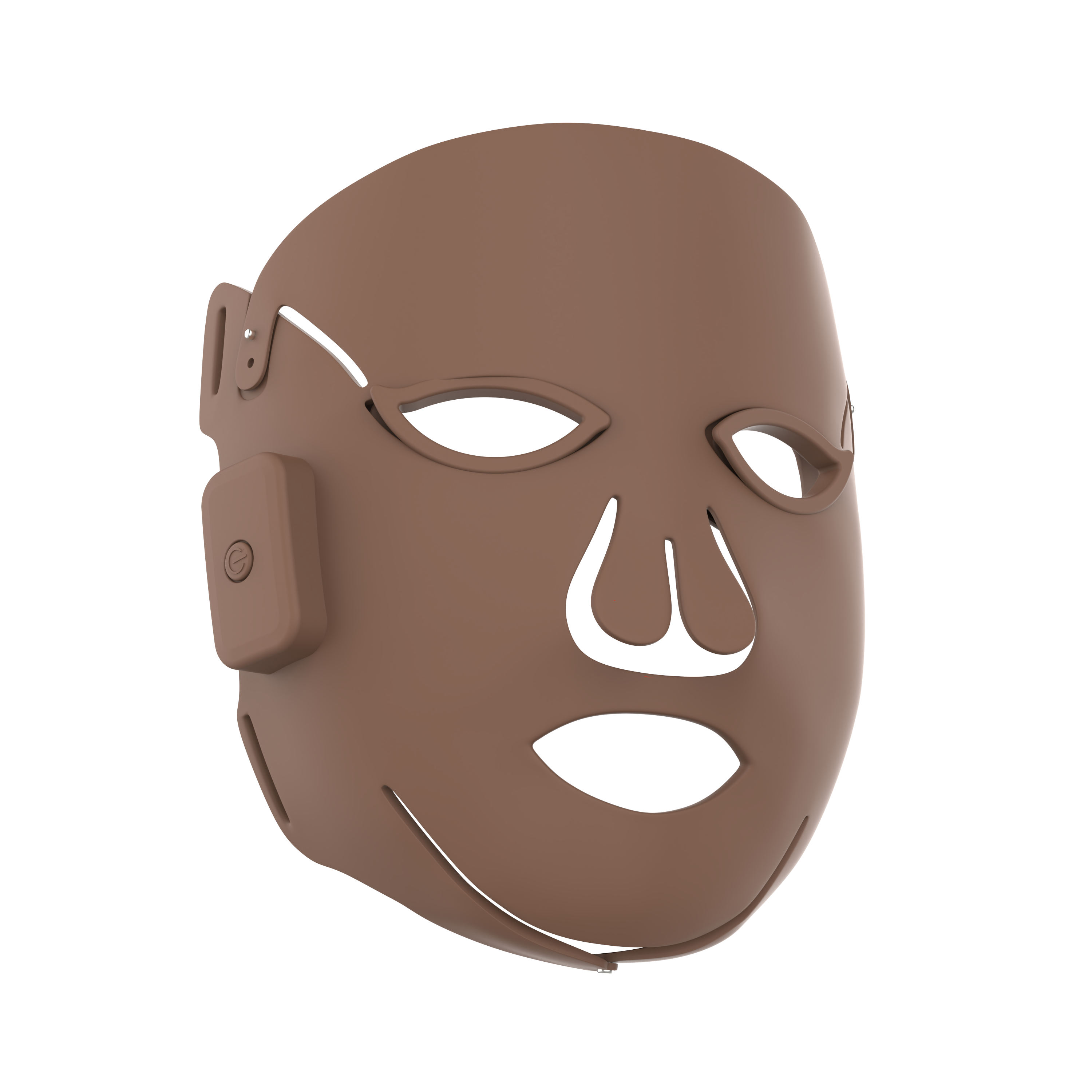
A flexible silicone LED mask sits directly against skin, so it can collect facial oil, sunscreen, makeup transfer, and residue from serums. A quick wipe after use is not just about appearance: it helps keep the face-contact surface comfortable and makes it easier to notice wear before it becomes a bigger problem. The safest routine is simple, but it must follow the instructions for your exact device.
As a practical rule, treat the mask, controller, cable, and charging components as different parts with different cleaning needs. Silicone may tolerate a gentle wipe, while ports and electronics usually need to stay dry. When in doubt, the product manual takes priority over general advice in this guide.
Not every LED mask has the same construction. Some have a detachable controller, some have fixed wiring, and some specify approved cleaning cloths or cleaning solutions. Before using alcohol, a spray, soap, or a disinfectant wipe, check the manual or official care page for the model in front of you. A cleaner that is fine for one silicone surface may not be recommended around another device’s seams, light windows, straps, or battery connections.
Do not assume that “water-resistant” means washable. Unless the manufacturer clearly says that the whole unit can be rinsed, do not run a silicone LED mask under a tap or submerge it. Excess moisture can migrate toward switches, connectors, charging contacts, or internal components.
Avoid rough paper towels, abrasive sponges, scouring powders, and strong solvents. They can leave fibers behind, dull the silicone, or create tiny surface scratches that make residue harder to remove later. Also keep aerosol sprays away from the device unless the brand explicitly directs you to use one.
This routine usually takes only a few minutes. It is much easier to remove fresh skin-care residue than a dried film left after several sessions.
Silicone is smooth, but it can still hold a thin layer of oil-based products. If you use the LED mask after applying sunscreen, makeup, facial oil, or a thick cream, clean the contact surface promptly. First follow the normal dry wipe. Then use only the gentle, approved method listed for the device. Do not scrape dried buildup with a nail, tweezers, or a hard edge.
The easiest prevention is to use the mask on clean, dry skin unless its manufacturer gives different directions. That reduces transfer and makes the device more pleasant to use next time. If you are following a skin-care routine prescribed by a clinician, ask that clinician or the device maker about timing rather than changing treatment steps on your own.
The silicone face piece may be the part you notice most, but the electronic accessories need equal care. Wipe the controller and cable with a dry cloth unless the manual provides another method. Do not spray liquid directly onto a controller, plug, magnetic charging contact, or USB connection. Do not charge a damp LED mask, and do not wrap the cable tightly around the controller for storage.
Before each use, make a quick visual check. Look for fraying, cracked insulation, loose connectors, unusual heat, damaged light areas, or a strap that no longer holds securely. Stop using the device and contact the manufacturer if you spot damage or if the device behaves differently from normal.
After the mask is clean and completely dry, place it in its original case, pouch, or another clean protective container. Keep it away from direct sunlight, heaters, humid bathrooms, car interiors, and heavy objects that can bend or compress it. A cool, dry drawer is generally more suitable than leaving the device on a counter where dust, splashes, and cosmetics can collect.
Lay a silicone LED mask flat or store it in the shape recommended by its maker. Avoid folding it sharply, twisting attached wires, or stacking bottles on top. These habits help preserve the fit and protect the internal light components.
| When | What to do |
|---|---|
| After every session | Power off, wipe the face-contact surface, and dry before storing. |
| Weekly | Inspect straps, cable ends, seams, and charging contacts for residue or damage. |
| Monthly | Review the care instructions and check that the storage case remains clean and dry. |
| Before travel | Charge only as directed, protect the mask in its case, and prevent pressure on the silicone. |
Good LED mask maintenance is less about aggressive sanitizing and more about using the correct method every time. Power down first, use a soft cloth, keep moisture away from electronics, dry the device completely, and store it out of heat and sunlight. If a label, manual, or official support page conflicts with a general tip, follow the manufacturer’s guidance for your specific model.
A clean, dry, carefully stored mask is easier to use comfortably and easier to inspect. Make the quick wipe part of your post-session routine, and your silicone LED device will be better prepared for the next use.

2026/10/30
Discover why in-house mold development helps an RF beauty device manufacturer improve product consistency, iteration speed, tooling control, and production readiness.

2026/10/30
Learn how to verify an RF beauty device manufacturer's R&D and prototyping capabilities using practical engineering workflows and audit checklists.

2026/10/30
Learn what shapes MOQ when choosing an RF beauty device manufacturer and how to plan a lower-risk first order with balanced platform and customization.

2026/10/30
Use this RF beauty device manufacturer evaluation checklist to compare safety evidence, OEM and ODM capability, quality control, and launch readiness.

2026/10/30
See how technology makes beauty at home more guided, consistent, and informed—plus a practical checklist for choosing devices wisely.

2026/10/30
Explore how AI and smart devices shape the future of beauty with responsive routines, clear guidance, trustworthy design, and user-controlled care.

Ideal for daily facial care routines, providing easy-to-use beauty solutions at home.

Perfect for spas and salons’ frequent treatments, enhancing client experiences and results.

Supports dermatologists with advanced devices for professional skin therapy sessions.

Delivers innovative solutions for full-body massage and relaxation with home devices.

Features anti-aging technologies to help reduce wrinkles and stimulate skin vitality.

Specialized devices for safe and effective hair removal suitable for home or clinic use.

Our customers love the Perfect Idea beauty devices. Quality, packaging, and results are all outstanding. We saw increased repeat sales after adding their facial cleansers to our lineup. Their support team is responsive and reliable.

Perfect Idea brings innovation and reliability to home beauty appliances. Our collaboration introduced their massage tools to Japanese women, boosting customer satisfaction and growing our brand trust across the region.

We partnered with Shenzhen Perfect Idea Tech for their beauty equipment. The shipping was fast and every product matched our expectations. Their home-use massagers are especially popular with local salons and home users.

The stylish packaging and attractive design make Perfect Idea stand out. French consumers appreciate the easy instructions and visible results. Communication was efficient and orders always arrived on time.

Perfect Idea home use personal care devices have become a favorite with our clients. The beauty device line offers quality at a reasonable price, and technical training for our staff made onboarding easy.

We selected Perfect Idea for our beauty product portfolio and have seen very positive feedback from our customers. Products are easy to market online and the customer support is reliable and helpful.
