 EN
Home Skincare
Ideal for daily facial care routines, providing easy-to-use beauty solutions at home.

2026/10/27
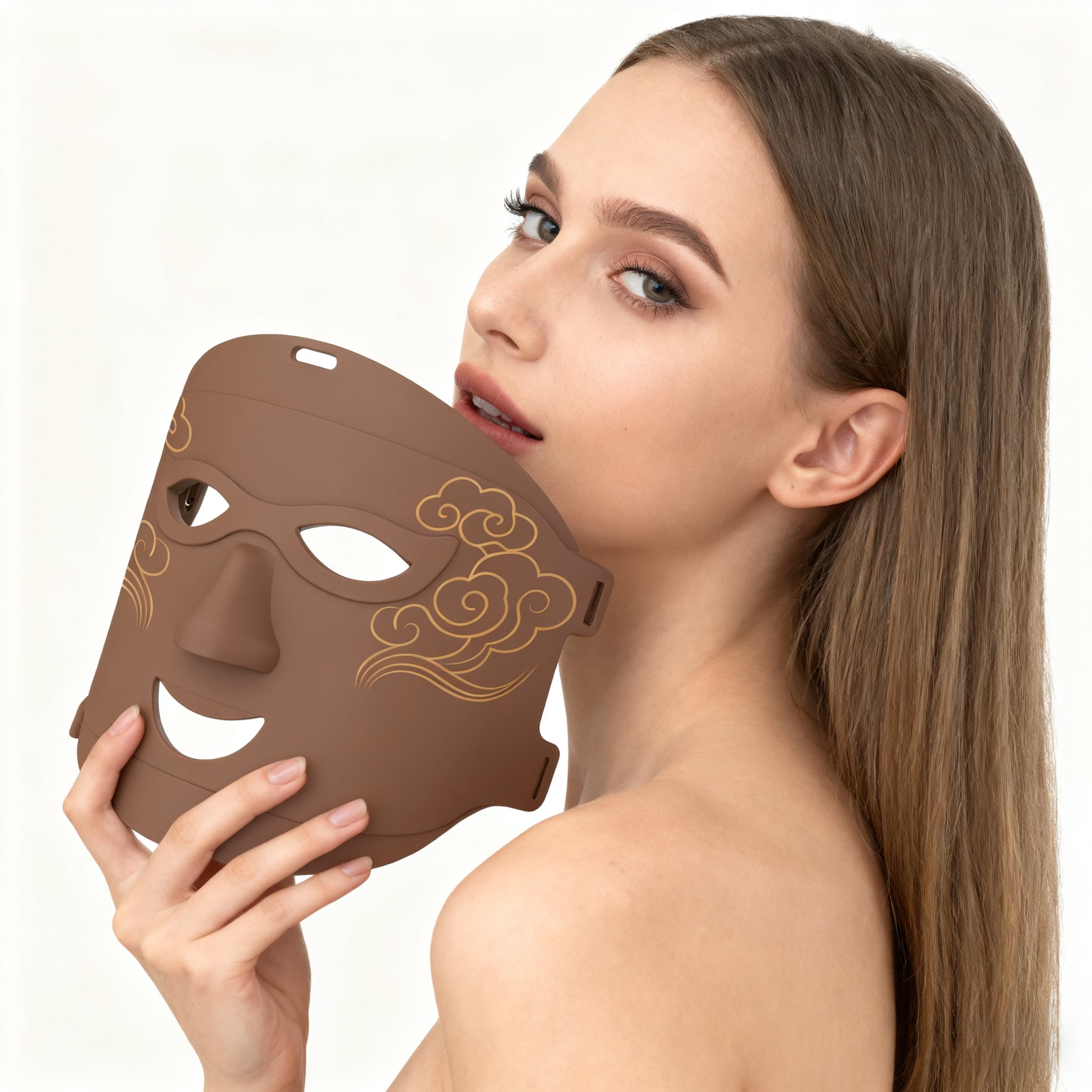
A silicone LED mask sits directly against your skin, so a silicone LED mask care routine matters as much as its charging and treatment schedule. The practical goal is simple: remove skin oils, sunscreen, and product residue without allowing liquid, heat, or harsh chemicals to reach the LEDs, wiring, controller connection, or battery area. A few calm minutes after each session can keep a silicone LED mask comfortable to wear and easier to inspect.
As a skin-management professional, I would treat device hygiene as part of the routine rather than a separate chore. The right method depends on the manufacturer’s instructions for your model, especially where charging ports, removable straps, eye protection, or control units are concerned. If the manual gives different cleaning directions, follow it first.
Facial oil, sunscreen, makeup, and leave-on skincare can transfer to the inner surface of a silicone LED mask after each session. Leaving that film in place can make the mask feel less fresh and may complicate a close, comfortable silicone LED mask fit the next time you use it. More importantly, residue near seams, LED windows, or connectors is harder to notice once it dries.
Many people simplify the post-treatment step: they remove the mask, place it on a counter, and plan to clean it later. That is understandable, but a brief wipe while residue is still fresh is usually easier than a deep clean after several uses. Daily care is light maintenance, not an invitation to scrub or soak the device.
These precautions are deliberately modest. A flexible silicone surface may look water-resistant, but the full device can still contain components that must remain dry. “Easy to wipe” is not the same as “safe to immerse.”
Specific detail matters here: the cloth should be damp enough to lift residue, not wet enough to drip. That small distinction helps protect the electronics while keeping the silicone surface clean.
Unless the manufacturer explicitly approves them, avoid abrasive pads, stiff brushes, bleach, strong household disinfectants, acetone, solvent-based cleaners, and heavily fragranced products. They can leave residue, change the surface feel, or create avoidable uncertainty around the mask’s materials and electronics.
Also avoid running water over a silicone LED mask, submerging it in a sink, putting it in a dishwasher, or using steam. A silicone LED mask is a wearable electronic device, not a loose silicone kitchen item. For the same reason, do not use a hair dryer, radiator, or direct sun to speed drying; room-temperature air is the safer choice.
Once a week, add a silicone LED mask inspection to the everyday wipe. Look at the silicone surface under good light, then check the straps, fasteners, controller lead, buttons, and charging area for residue, discoloration, cracking, looseness, or moisture. Wipe removable accessories only according to their own care directions.
Pay attention to the places people tend to miss: the edge near the temples, the underside of a nose bridge, strap attachment points, and the folds created when the mask rests in storage. The device does not need aggressive cleaning; it needs consistent observation. If you notice damage, exposed wiring, persistent moisture, or a change in operation, stop using the device and contact the seller or manufacturer for model-specific advice.
After your silicone LED mask is dry, store it in its original case or a clean, dry pouch that does not compress the light panel sharply. Keep it away from bathroom splash zones, humid windowsills, cosmetics that may leak, and heavy items that could bend connectors or scratch LED windows.
Do not fold a silicone LED mask more tightly than the manufacturer recommends. Flexible silicone is designed for comfort, but repeated pressure in the same place can make inspection harder and may strain attached parts. A dedicated storage spot also reduces dust transfer between sessions.
For many users, the easiest sequence is: cleanse your face, use the silicone LED mask on clean, dry skin if that matches the device instructions, remove the mask, wipe the skin-contact surface, let it air-dry, then continue with compatible skincare. This reduces the chance that a freshly applied serum or sunscreen transfers immediately onto the device.
Not every skincare product is appropriate to pair with light-based devices, and not every silicone LED mask has the same instructions. If you use prescription topicals, experience irritation, or are unsure whether a product should be applied before treatment, ask a qualified clinician and follow the device manual. Careful use is more valuable than chasing a complicated routine.
Daily hygiene for a silicone LED mask does not require a harsh disinfecting routine. It requires a gentle wipe, complete drying, and sensible storage after each use. That approach respects both sides of the device: the soft silicone that contacts your skin and the electronic system that delivers the treatment. When in doubt, choose silicone LED mask manufacturer care directions over generic advice, and keep the routine simple enough that you will actually repeat it.

2026/10/30
Discover why in-house mold development helps an RF beauty device manufacturer improve product consistency, iteration speed, tooling control, and production readiness.

2026/10/30
Learn how to verify an RF beauty device manufacturer's R&D and prototyping capabilities using practical engineering workflows and audit checklists.

2026/10/30
Learn what shapes MOQ when choosing an RF beauty device manufacturer and how to plan a lower-risk first order with balanced platform and customization.

2026/10/30
Use this RF beauty device manufacturer evaluation checklist to compare safety evidence, OEM and ODM capability, quality control, and launch readiness.

2026/10/30
See how technology makes beauty at home more guided, consistent, and informed—plus a practical checklist for choosing devices wisely.

2026/10/30
Explore how AI and smart devices shape the future of beauty with responsive routines, clear guidance, trustworthy design, and user-controlled care.

Ideal for daily facial care routines, providing easy-to-use beauty solutions at home.

Perfect for spas and salons’ frequent treatments, enhancing client experiences and results.

Supports dermatologists with advanced devices for professional skin therapy sessions.

Delivers innovative solutions for full-body massage and relaxation with home devices.

Features anti-aging technologies to help reduce wrinkles and stimulate skin vitality.

Specialized devices for safe and effective hair removal suitable for home or clinic use.

Our customers love the Perfect Idea beauty devices. Quality, packaging, and results are all outstanding. We saw increased repeat sales after adding their facial cleansers to our lineup. Their support team is responsive and reliable.

Perfect Idea brings innovation and reliability to home beauty appliances. Our collaboration introduced their massage tools to Japanese women, boosting customer satisfaction and growing our brand trust across the region.

We partnered with Shenzhen Perfect Idea Tech for their beauty equipment. The shipping was fast and every product matched our expectations. Their home-use massagers are especially popular with local salons and home users.

The stylish packaging and attractive design make Perfect Idea stand out. French consumers appreciate the easy instructions and visible results. Communication was efficient and orders always arrived on time.

Perfect Idea home use personal care devices have become a favorite with our clients. The beauty device line offers quality at a reasonable price, and technical training for our staff made onboarding easy.

We selected Perfect Idea for our beauty product portfolio and have seen very positive feedback from our customers. Products are easy to market online and the customer support is reliable and helpful.
