 EN
Home Skincare
Ideal for daily facial care routines, providing easy-to-use beauty solutions at home.

2026/10/11
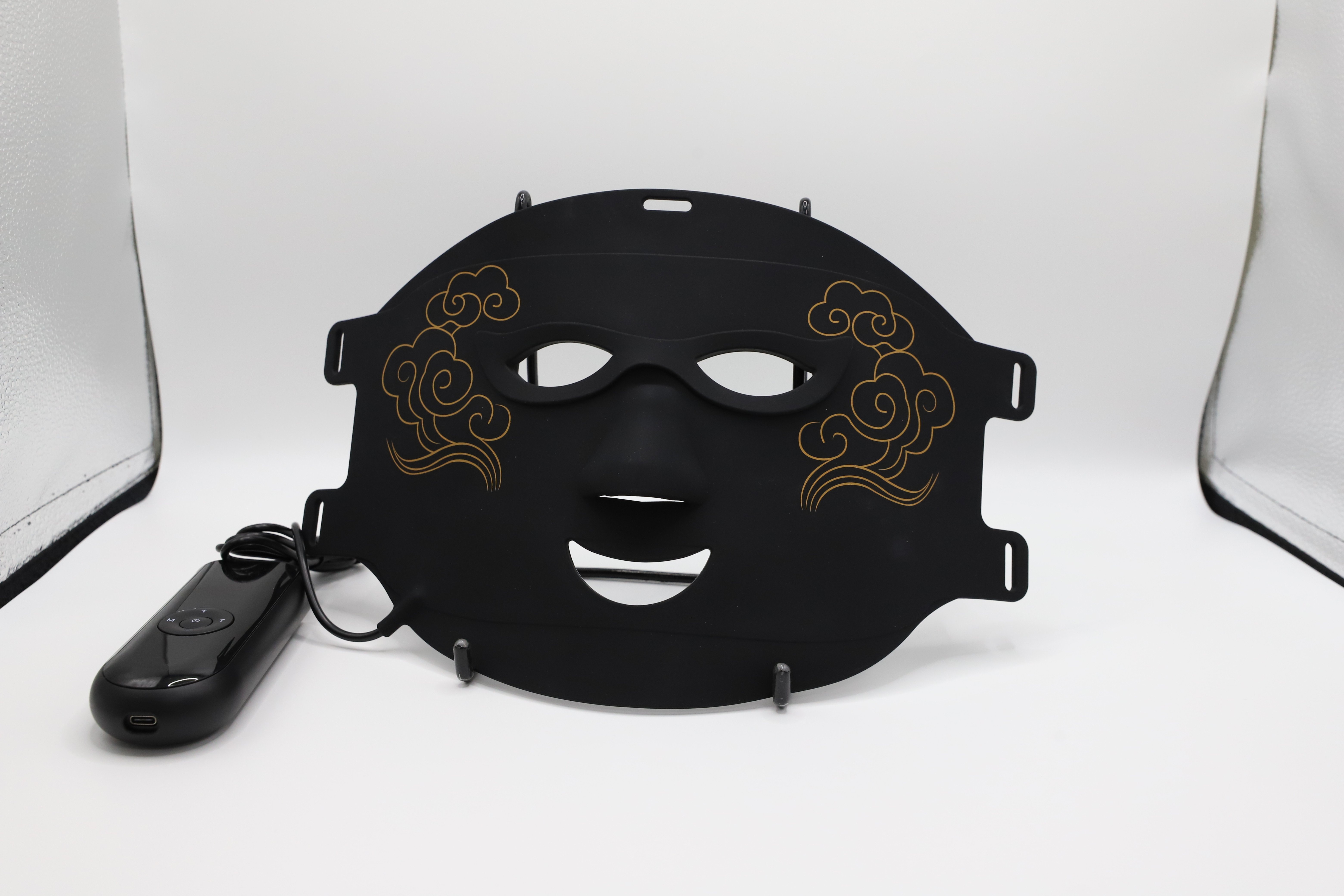
At this early stage, an LED light therapy buying brief should name the treatment goal, client group, operator, room, and evidence standard. That one-page brief gives every supplier the same questions to answer.
Before comparing devices, write down the service you intend to deliver. Is LED light therapy a standalone appointment, an add-on after another noninvasive service, or a retail-supported home-care pathway? Who will operate it, how often will rooms turn over, and which clients will be screened out? These questions turn a broad category into a usable specification.
It is easy to treat red, blue, or near-infrared options as a shopping checklist. A better question is whether the supplier can explain the device’s intended use, protocol logic, contraindications, cleaning routine, and the limits of its claims. Evidence and protocols vary; even reviews of LED research caution against assuming that one set of treatment parameters applies to every device or client group.
When comparing LED light therapy candidates, use one supplier questionnaire rather than mixing brochure claims from different models. Consistent questions make an LED light therapy comparison more defensible for both the clinic owner and the clinical lead.
A specification sheet is useful, but it should be read as part of a system. Confirm the wavelengths or modes offered, treatment-area coverage, timer controls, cooling or comfort considerations, eye-protection instructions, power requirements, and the manufacturer’s stated maintenance plan. Ask for the same details for every option so your comparison is fair.
In practice, a clinic also needs to know whether treatment settings can be repeated accurately. Request the user manual, a sample protocol, cleaning instructions, and training materials before committing. If a device has several modes, verify that the interface makes the selected mode and session time obvious to staff and clients. A complicated control panel can create more operational risk than an extra feature creates value.
Many buyers initially focus on a higher output figure. More precisely, the useful issue is whether the device can be operated safely and consistently within the supplier’s documented protocol. Parameter claims without a clear intended-use context should prompt follow-up questions, not a faster purchase decision.
For every LED light therapy candidate, assign one person to verify the device identity, intended use, and applicable documentation before any campaign or staff script is approved.
For clinics serving regulated markets, documentation is part of the product. Request the records relevant to the country where the device will be used and confirm that the model, configuration, and intended use match what you plan to offer. For example, U.S. clinics should review applicable device documentation rather than relying on a generic “FDA” label. FDA guidance covers premarket submissions for photobiomodulation devices, while professional dermatology guidance also distinguishes device clearance from proof of effectiveness for every advertised goal.
This is not a reason to avoid LED light therapy; it is a reason to build a disciplined claims-review process. Align supplier copy, staff scripts, consent language, website descriptions, and treatment records. If your clinic makes a specific result claim, ask what evidence supports that exact wording and whether it applies to the device configuration you are buying.
A reliable LED light therapy workflow should be simple enough for the next trained staff member to repeat without improvising settings or client instructions.
A suitable LED light therapy device is one that fits a repeatable session. Observe or simulate the complete workflow: set-up, client positioning, eye protection where instructed, treatment, cleaning, documentation, and reset. This exercise often reveals practical differences that do not appear in a catalog.
Look closely at ergonomics and hygiene. Can staff position the device without awkward adjustment? Are contact or near-contact surfaces clear to clean under your infection-control process? Does the device occupy the treatment bed, a trolley, or a fixed area? Consider cable management, storage, outlet access, and how the unit behaves during a busy day. For a multi-therapist clinic, consistency should beat cleverness.
It is also wise to run a small sample evaluation using your own intake and aftercare forms. Track staff set-up time, client comfort feedback, protocol adherence, and any questions that recur. This is more informative than judging a device from a short demonstration alone.
Your LED light therapy supplier should be able to answer technical and documentation questions in writing, including what happens if the unit needs service after installation.
A clinic purchase becomes harder to manage when the sample is good but the support system is vague. Ask how the supplier controls batch consistency, handles technical questions, supplies training, and responds when a unit needs service. If you are buying for a brand or a growing clinic group, also ask whether manuals, packaging, and education materials can be localized for your market.
For clinics that need a branded program, an OEM or ODM partner may be relevant. In that case, clarify which elements can be customized, who approves artwork and claims, and how changes affect documentation or lead time. Do not treat custom packaging as proof that a device is ready for a new market; the underlying product records and labels still need review.
After several procurement cycles, many buyers use the same practical rule: a responsive technical contact, clear after-sales process, and accessible training materials usually matter more over a year of use than a minor difference on an initial quotation.
Use the same matrix for every LED light therapy option. It gives the team a transparent record of why one device suits the clinic better than another.
A short matrix helps the team compare options without letting one impressive feature dominate the conversation. Give each criterion a weight that reflects your clinic’s needs, then score each candidate only after you have reviewed supporting documents.
| Criterion | What to verify | Why it matters |
|---|---|---|
| Protocol fit | Intended use, mode logic, session instructions, screening guidance | Supports a service your team can deliver consistently |
| Documentation | Model-specific records, labeling, claims support, regional requirements | Reduces compliance and communication uncertainty |
| Workflow | Coverage, controls, cleaning, storage, treatment-room setup | Protects appointment flow and staff adoption |
| Supplier support | Training, warranty, repairs, spares, response pathway | Protects continuity after installation |
| Commercial fit | Total operating cost, onboarding needs, program scalability | Connects the purchase to a sustainable service model |
Before launch, train each operator on the exact LED light therapy protocol, client screening questions, device controls, and escalation path. Training should include a supervised set-up and reset, not only a product presentation. Staff need to know when an LED light therapy session fits the planned service and when it should be deferred for further clinical review.
Client communication should be just as controlled. Explain what the LED light therapy appointment involves, what the client should do before and after the session, and what the device is and is not intended to address. Use the approved device instructions and your clinic’s consent process instead of broad claims copied from consumer advertising. This protects expectations and gives clients a consistent experience across practitioners.
A controlled LED light therapy pilot helps the clinic test the actual operating model before it treats a purchase decision as final.
If two options remain close, a structured pilot is usually the clearest tiebreaker. Set pilot criteria in advance: staff training completion, treatment-room compatibility, ease of cleaning, client-comfort observations, protocol adherence, supplier response time, and completeness of records. Keep the pilot focused on operational suitability rather than promising clinical outcomes beyond the device’s intended use.
The right LED light therapy device for your clinic is the one your staff can operate confidently, your documentation can support, and your clients can experience within a clear protocol. A careful selection process creates a stronger service foundation than choosing solely on color count, price, or a broad marketing claim.

2026/10/30
Discover why in-house mold development helps an RF beauty device manufacturer improve product consistency, iteration speed, tooling control, and production readiness.

2026/10/30
Learn how to verify an RF beauty device manufacturer's R&D and prototyping capabilities using practical engineering workflows and audit checklists.

2026/10/30
Learn what shapes MOQ when choosing an RF beauty device manufacturer and how to plan a lower-risk first order with balanced platform and customization.

2026/10/30
Use this RF beauty device manufacturer evaluation checklist to compare safety evidence, OEM and ODM capability, quality control, and launch readiness.

2026/10/30
See how technology makes beauty at home more guided, consistent, and informed—plus a practical checklist for choosing devices wisely.

2026/10/30
Explore how AI and smart devices shape the future of beauty with responsive routines, clear guidance, trustworthy design, and user-controlled care.

Ideal for daily facial care routines, providing easy-to-use beauty solutions at home.

Perfect for spas and salons’ frequent treatments, enhancing client experiences and results.

Supports dermatologists with advanced devices for professional skin therapy sessions.

Delivers innovative solutions for full-body massage and relaxation with home devices.

Features anti-aging technologies to help reduce wrinkles and stimulate skin vitality.

Specialized devices for safe and effective hair removal suitable for home or clinic use.

Our customers love the Perfect Idea beauty devices. Quality, packaging, and results are all outstanding. We saw increased repeat sales after adding their facial cleansers to our lineup. Their support team is responsive and reliable.

Perfect Idea brings innovation and reliability to home beauty appliances. Our collaboration introduced their massage tools to Japanese women, boosting customer satisfaction and growing our brand trust across the region.

We partnered with Shenzhen Perfect Idea Tech for their beauty equipment. The shipping was fast and every product matched our expectations. Their home-use massagers are especially popular with local salons and home users.

The stylish packaging and attractive design make Perfect Idea stand out. French consumers appreciate the easy instructions and visible results. Communication was efficient and orders always arrived on time.

Perfect Idea home use personal care devices have become a favorite with our clients. The beauty device line offers quality at a reasonable price, and technical training for our staff made onboarding easy.

We selected Perfect Idea for our beauty product portfolio and have seen very positive feedback from our customers. Products are easy to market online and the customer support is reliable and helpful.
