 EN
Home Skincare
Ideal for daily facial care routines, providing easy-to-use beauty solutions at home.

2026/10/20
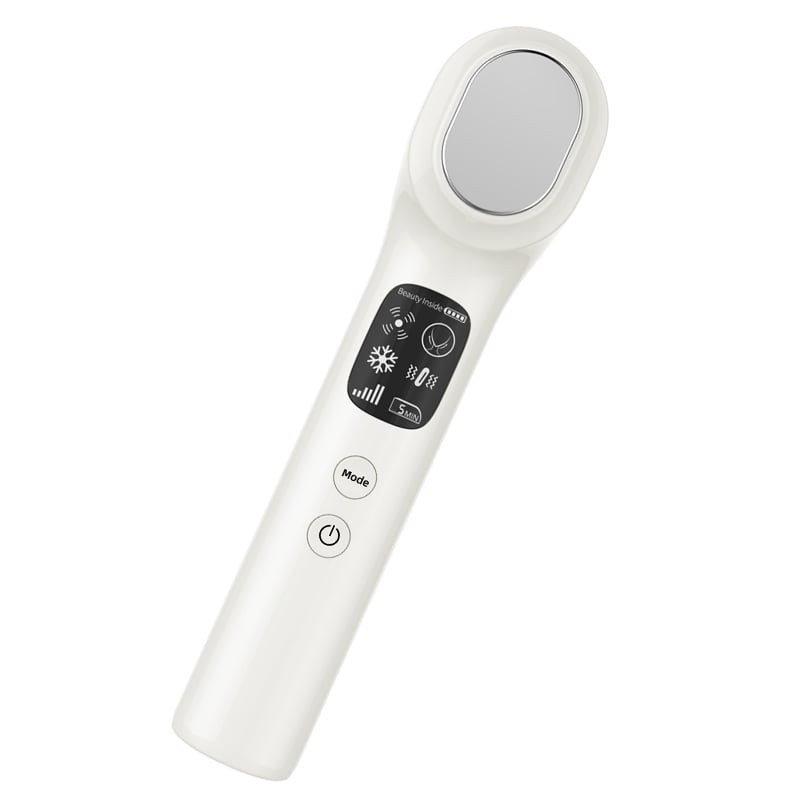
Choosing a face care device is less about buying the most technical-looking tool and more about matching a gentle, usable technology to the skin you have today. As a skin-management professional, I suggest starting with your concern, your tolerance, and the routine you can realistically repeat. A device can support a thoughtful face care routine, but it cannot replace sunscreen, a mild cleanser, appropriate topical care, or medical advice for a persistent skin condition.
The crowded device market makes this easy to forget. A feature list may sound impressive, yet a simple tool that fits your skin and schedule is often the better face care choice. Use the guide below to narrow your options without treating a home device as a diagnosis or a cure.
“Dry,” “oily,” and “combination” are useful starting points, but they do not tell the whole story. Ask what your skin does after cleansing, during weather changes, and when you introduce a new active. Does it sting easily? Does it become red after warmth or friction? Are breakouts inflamed, or are you mainly managing shine and congestion? Those answers should shape your face care device shortlist.
For any face care device, recent irritation, peeling, sunburn, an eczema flare, or a compromised skin barrier is a reason to pause and simplify your routine. If you have a diagnosed condition, are pregnant, use prescription skincare, have photosensitivity, or have an implanted electronic device, check with a qualified clinician and the product instructions before use.
A better face care decision begins with one goal: supporting a calm-looking routine, improving the feel of product application, maintaining a regular light-based routine, or adding gentle facial massage. Trying to solve texture, acne, puffiness, contour, and fine lines with one device can lead to overuse and disappointment.
LED masks and panels are often considered for a consistent light-based face care routine. Check that the device is intended for at-home use, that its instructions explain session frequency and eye protection, and that you can follow them. Do not judge an LED device by color alone. Design, fit, comfort, safety guidance, and the ability to use it as directed matter more than a dramatic claim. If bright light triggers headaches or discomfort, stop and seek professional guidance.
These tools use mild electrical stimulation and are typically chosen by people interested in a temporary refreshed or toned appearance. Good face care practice means using the recommended conductive medium, beginning at the lowest comfortable setting; pain is a reason to stop rather than a sign that the device is working. Skip this category unless the contraindications, maintenance instructions, and skin-contact guidance are clear.
Heat-based, radiofrequency, ultrasound, and sonic cleansing technologies need extra attention to instructions, skin tolerance, and timing. They should not be used to chase a stronger sensation. In practical face care, a tool that feels too hot, sharp, or irritating is not the right setting—or may not be the right device. At-home microneedling also deserves particular caution because hygiene and technique errors can raise the risk of irritation or infection.
Once you choose a device, resist the urge to combine it immediately with exfoliating acids, retinoids, strong fragrance, or several new products. Start on clean skin exactly as directed. If the device requires a conductive gel or another compatible product, use only what the manufacturer recommends. Keep the first sessions conservative, note how your skin feels later that day and the next morning, and adjust only when your skin remains comfortable.
This is where many people change their mind about face care: more functions are not automatically more useful. Consistency, a comfortable routine, and realistic expectations usually matter more than an ambitious treatment plan. Healthy-looking results, where they occur, are gradual and individual—not a promise from a device.
Seek professional advice instead of adding another face care tool if you have painful cystic breakouts, unexplained rashes, persistent burning, pigment changes, a wound, or symptoms that worsen with home treatments. A dermatologist or qualified clinician can help identify whether a device, a topical routine, or a different intervention is appropriate.
The right face care device should make your routine feel clearer, not more stressful. Choose one technology for one realistic need, read every safety instruction, start gently, and let comfort and consistency—not marketing pressure—guide the decision.

2026/10/30
Discover why in-house mold development helps an RF beauty device manufacturer improve product consistency, iteration speed, tooling control, and production readiness.

2026/10/30
Learn how to verify an RF beauty device manufacturer's R&D and prototyping capabilities using practical engineering workflows and audit checklists.

2026/10/30
Learn what shapes MOQ when choosing an RF beauty device manufacturer and how to plan a lower-risk first order with balanced platform and customization.

2026/10/30
Use this RF beauty device manufacturer evaluation checklist to compare safety evidence, OEM and ODM capability, quality control, and launch readiness.

2026/10/30
See how technology makes beauty at home more guided, consistent, and informed—plus a practical checklist for choosing devices wisely.

2026/10/30
Explore how AI and smart devices shape the future of beauty with responsive routines, clear guidance, trustworthy design, and user-controlled care.

Ideal for daily facial care routines, providing easy-to-use beauty solutions at home.

Perfect for spas and salons’ frequent treatments, enhancing client experiences and results.

Supports dermatologists with advanced devices for professional skin therapy sessions.

Delivers innovative solutions for full-body massage and relaxation with home devices.

Features anti-aging technologies to help reduce wrinkles and stimulate skin vitality.

Specialized devices for safe and effective hair removal suitable for home or clinic use.

Our customers love the Perfect Idea beauty devices. Quality, packaging, and results are all outstanding. We saw increased repeat sales after adding their facial cleansers to our lineup. Their support team is responsive and reliable.

Perfect Idea brings innovation and reliability to home beauty appliances. Our collaboration introduced their massage tools to Japanese women, boosting customer satisfaction and growing our brand trust across the region.

We partnered with Shenzhen Perfect Idea Tech for their beauty equipment. The shipping was fast and every product matched our expectations. Their home-use massagers are especially popular with local salons and home users.

The stylish packaging and attractive design make Perfect Idea stand out. French consumers appreciate the easy instructions and visible results. Communication was efficient and orders always arrived on time.

Perfect Idea home use personal care devices have become a favorite with our clients. The beauty device line offers quality at a reasonable price, and technical training for our staff made onboarding easy.

We selected Perfect Idea for our beauty product portfolio and have seen very positive feedback from our customers. Products are easy to market online and the customer support is reliable and helpful.
