 EN
Home Skincare
Ideal for daily facial care routines, providing easy-to-use beauty solutions at home.

2026/10/07
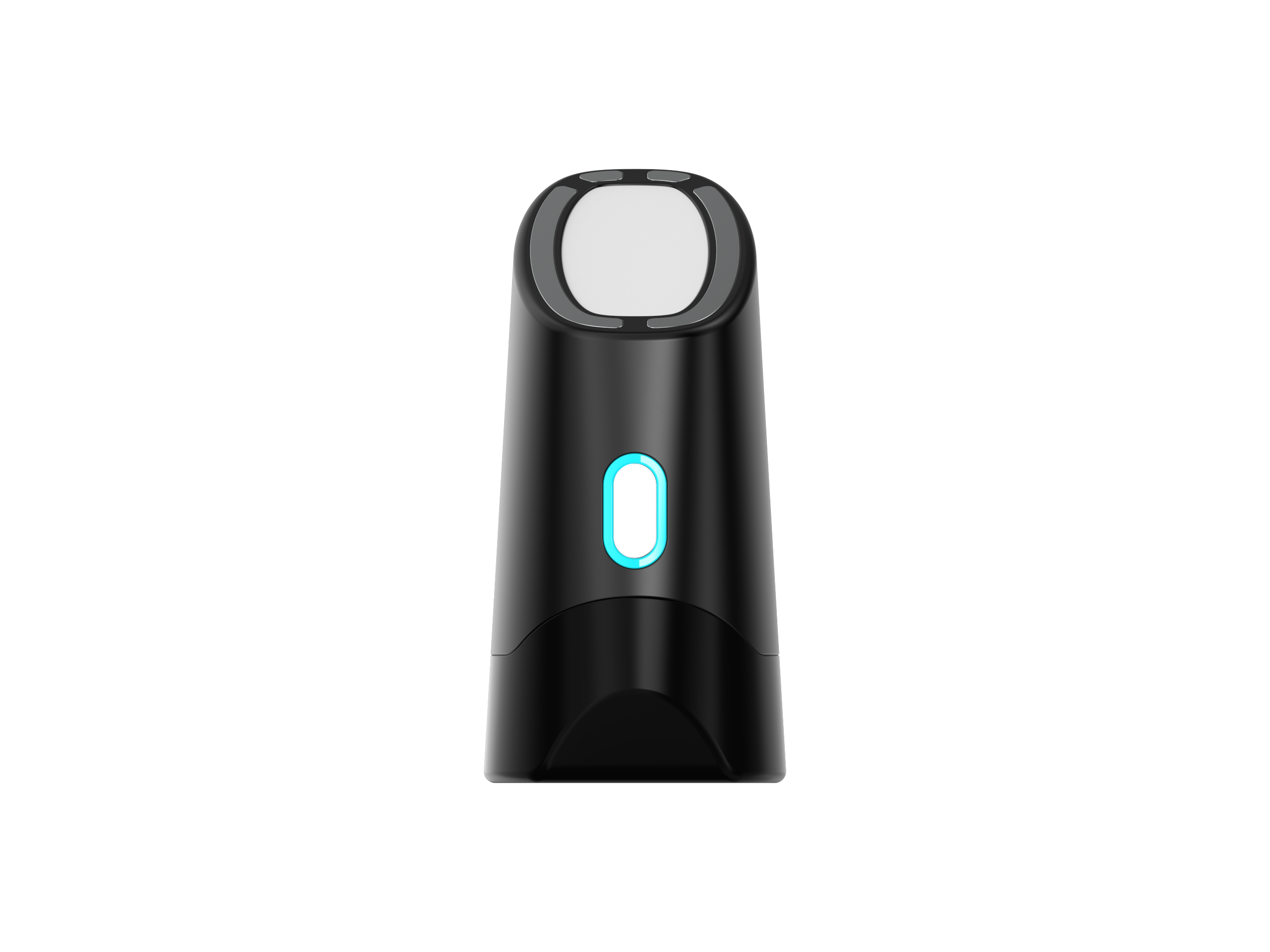
A facial tool should make a routine easier to keep, not turn it into a daily stress test for your skin. The right beauty tools depend on more than a trend or a claimed benefit: consider how your skin behaves, the intensity you can tolerate, and whether you can keep the tool clean and use it consistently. This guide offers a practical way to narrow the options without treating every complexion the same. In practice, good beauty tools feel appropriate during use and leave no reason to compensate with a harsher routine afterward.
Skin type is a useful starting point, but it is not a diagnosis. Oily skin may also be sensitive; dry skin may be temporarily reactive after exfoliation or a change in climate. Before comparing beauty tools, write down three things: what your skin feels like after cleansing, what concerns you want to address, and what reliably causes redness, stinging, or breakouts. That short check prevents a common mistake;choosing the strongest device for a concern when a gentler routine would be easier to sustain.
Also separate a non-invasive home-care tool from a procedure that needs clinical judgment. At-home RF microneedling is not a cosmetic shortcut; it is a medical procedure and should not be used at home. For persistent inflammation, unexplained rashes, active infection, or a condition under treatment, pause the shopping process and ask a qualified clinician what is appropriate.
| Skin tendency | Useful tool characteristics | Use with caution |
|---|---|---|
| Oily or congestion-prone | Soft, easy-to-clean cleansing tools; controlled, low-intensity routines | Harsh scrubbing, over-cleansing, or using a device on inflamed blemishes |
| Dry or dehydrated | Gentle application tools and low-friction massage used with adequate slip | High heat, prolonged cleansing, or repeated exfoliation that leaves skin tight |
| Sensitive or reactive | Simple tools with low settings, soft contact surfaces, and clear instructions | Abrasive heads, strong suction, fragrance residue, and multiple new tools at once |
| Combination | Adjustable tools that let you treat areas differently | Using one setting everywhere because the T-zone is oilier |
| Mature-looking or dull | Comfortable tools that support a consistent, gentle routine | Chasing dramatic results with aggressive intensity or unverified claims |
For oily skin, suitable beauty tools are usually the ones that help you cleanse thoroughly without encouraging you to strip the skin. A soft cleansing device may be useful when paired with a mild cleanser and a short routine, but it should not feel abrasive. The American Academy of Dermatology cautions that scrubbing can irritate skin, which is a useful principle here: if your face feels hot, squeaky, or persistently tight afterward, reduce frequency or stop.
Look for a design that is easy to rinse and dry completely. Among beauty tools, cleanability is a selection feature, not an afterthought. Damp attachments and hard-to-clean crevices work against a skin-care routine, particularly if you are prone to breakouts. Use a fresh towel, follow the cleaning instructions, and avoid passing a tool over tender, open, or actively inflamed areas.
Dry skin usually benefits from beauty tools that feel supportive rather than stimulating. A smooth applicator or a gentle massage tool can be more comfortable when there is enough product slip; dragging a tool over bare, dry skin can make irritation more likely. Keep sessions brief, use the lowest effective setting, and judge the result by comfort the next morning;not by how intense the session felt.
Heat deserves extra care. If warmth is part of a tool’s function, start conservatively and skip it when your skin barrier feels compromised. A useful rule is simple: if a new tool leaves your skin feeling more parched, flaky, or uncomfortable, it is not the right setting or routine for that day.
Sensitive skin does not require a shelf full of specialized beauty tools. The most suitable beauty tools are often the simplest ones to introduce and evaluate. It benefits from predictability. Choose soft contact materials, clearly labeled low settings, and a routine you can introduce one change at a time. Test a new tool on a small area first, then wait long enough to see whether your skin becomes itchy, hot, bumpy, or unusually dry. Avoid trying a new active serum and a new device in the same week; if your skin reacts, you will not know which variable caused it.
Here is the part many shoppers overlook: a tool can be well made and still be wrong for a particular skin state. After a peel, sun exposure, shaving, or a flare-up, the most sensible choice may be to use no device at all until skin is calm. That is not a failure of the routine; it is a better reading of the situation.
Combination skin is where adjustable beauty tools can earn their place. Adjustable beauty tools make it easier to respect different zones without overworking the whole face. Your forehead and nose may tolerate a more thorough cleanse than your cheeks, while the sides of the face may need less pressure and less time. Instead of making one pass at one intensity across the entire face, use the gentlest setting on dry areas and limit extra attention to the zones that truly need it.
This is also a good reason to favor simple controls over a complicated menu. A tool that lets you repeat a comfortable, zone-specific routine is usually more useful than one with many modes you cannot confidently distinguish.
When the goal is a more refreshed-looking routine, choose beauty tools that you can use comfortably and as directed. Compare beauty tools by their instructions, contact method, and realistic use boundaries;not by an aggressive promise. Non-invasive light-based or microcurrent-style devices may have different intended uses, settings, and contraindications, so read the manufacturer’s instructions rather than assuming all devices in a category work the same way. Do not use a stronger setting simply because it feels more “professional.” Home tools are designed for home-care boundaries, not to reproduce an in-clinic procedure.
More importantly, keep expectations grounded. A tool can complement cleansing, moisturization, sun protection, and a consistent routine; it should not be sold to you as a replacement for medical care or as a promised transformation.
Even carefully selected beauty tools deserve a slow introduction. Use one new device only after a normal cleansing routine, choose its mildest practical setting, and limit the first session to the shortest instructed duration. For the next several days, keep the rest of your routine steady. This gives you a clearer answer than a dramatic first impression: did your skin remain comfortable, or did it become drier, more reactive, or more congested?
Keep a small note of the date, setting, product used with the device, and any reaction. This is particularly helpful with beauty tools that combine contact, warmth, vibration, or light. If you experience persistent burning, swelling, blistering, or worsening irritation, stop using the device and seek professional advice. Do not try to solve a reaction by raising the setting or adding another tool.
For households or brands comparing beauty tools, this approach also makes instructions more useful: identify who should avoid use, explain cleaning and storage clearly, and state when users should pause. A calm, repeatable routine is a more meaningful success measure than a short-lived sensation.
Suitable beauty tools are not necessarily the most complicated ones. Well-chosen beauty tools respect your skin type and your current skin condition. Match the contact surface and intensity to your skin’s tolerance, introduce one change at a time, and stop when you see irritation instead of trying to push through it. For brands and buyers evaluating at-home beauty devices, that same principle translates into better product education: straightforward controls, honest use boundaries, and hygiene guidance are often more valuable than exaggerated promises.

2026/10/30
Discover why in-house mold development helps an RF beauty device manufacturer improve product consistency, iteration speed, tooling control, and production readiness.

2026/10/30
Learn how to verify an RF beauty device manufacturer's R&D and prototyping capabilities using practical engineering workflows and audit checklists.

2026/10/30
Learn what shapes MOQ when choosing an RF beauty device manufacturer and how to plan a lower-risk first order with balanced platform and customization.

2026/10/30
Use this RF beauty device manufacturer evaluation checklist to compare safety evidence, OEM and ODM capability, quality control, and launch readiness.

2026/10/30
See how technology makes beauty at home more guided, consistent, and informed—plus a practical checklist for choosing devices wisely.

2026/10/30
Explore how AI and smart devices shape the future of beauty with responsive routines, clear guidance, trustworthy design, and user-controlled care.

Ideal for daily facial care routines, providing easy-to-use beauty solutions at home.

Perfect for spas and salons’ frequent treatments, enhancing client experiences and results.

Supports dermatologists with advanced devices for professional skin therapy sessions.

Delivers innovative solutions for full-body massage and relaxation with home devices.

Features anti-aging technologies to help reduce wrinkles and stimulate skin vitality.

Specialized devices for safe and effective hair removal suitable for home or clinic use.

Our customers love the Perfect Idea beauty devices. Quality, packaging, and results are all outstanding. We saw increased repeat sales after adding their facial cleansers to our lineup. Their support team is responsive and reliable.

Perfect Idea brings innovation and reliability to home beauty appliances. Our collaboration introduced their massage tools to Japanese women, boosting customer satisfaction and growing our brand trust across the region.

We partnered with Shenzhen Perfect Idea Tech for their beauty equipment. The shipping was fast and every product matched our expectations. Their home-use massagers are especially popular with local salons and home users.

The stylish packaging and attractive design make Perfect Idea stand out. French consumers appreciate the easy instructions and visible results. Communication was efficient and orders always arrived on time.

Perfect Idea home use personal care devices have become a favorite with our clients. The beauty device line offers quality at a reasonable price, and technical training for our staff made onboarding easy.

We selected Perfect Idea for our beauty product portfolio and have seen very positive feedback from our customers. Products are easy to market online and the customer support is reliable and helpful.
