 EN
Home Skincare
Ideal for daily facial care routines, providing easy-to-use beauty solutions at home.

2026/10/23
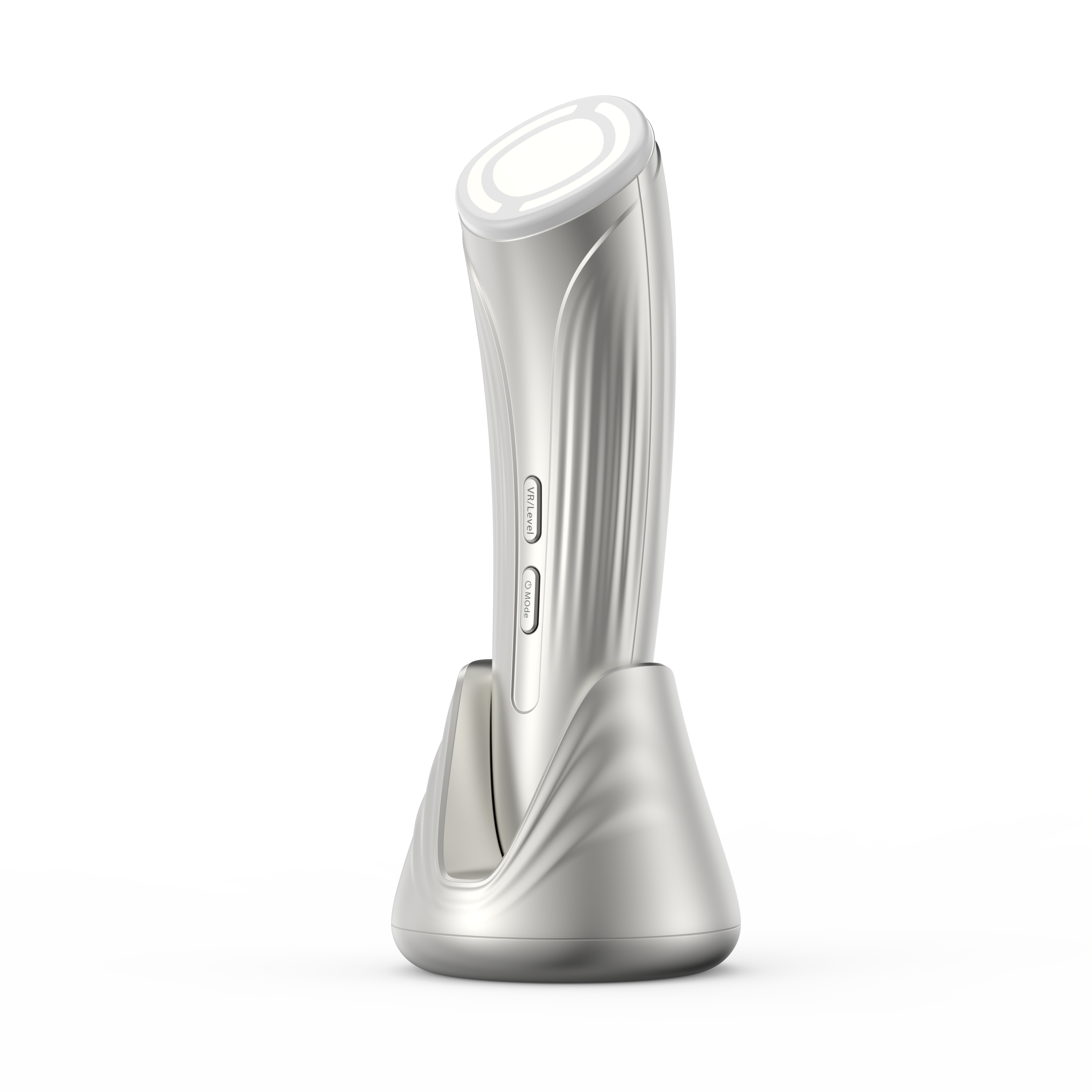
Choosing a skin care device is easier when you start with the concern, not the trend. As a skin-management professional, I look first at whether a tool fits the skin’s current condition, the person’s routine, and the level of risk they can reasonably manage at home. A device can support skin care, but it does not replace gentle cleansing, daily sun protection, appropriate topical care, or medical advice when a problem is persistent or severe.
The useful question is not “Which device is appropriate?” It is “What is this device designed to do, and is that a sensible match for my skin right now?” This guide gives you a practical way to make that decision without chasing every new feature.
Before comparing light, microcurrent, cleansing, or warming tools, name the main concern and its boundaries. Is it occasional congestion, inflammatory acne, dull-looking texture, visible dryness, uneven tone, fine lines, or puffiness? Then ask whether the concern is mild and stable or painful, spreading, scarring, suddenly changing, or accompanied by a rash. The second group calls for a dermatologist rather than a new home device.
Also separate a cosmetic goal from a medical condition. For example, a device may make a routine feel more consistent or provide a temporary refreshed appearance, but it should not be presented as a cure for rosacea, melasma, cystic acne, or an unexplained lesion. That distinction keeps skin care choices realistic and safer.
If congestion is your main concern, prioritize a simple routine before adding intensity. A soft cleansing brush or a low-intensity sonic cleansing device may help some people cleanse more evenly, but pressure, duration, and frequency matter more than a long list of modes. Over-scrubbing can leave skin feeling tight and reactive, which makes it harder to judge what is actually helping.
For mild acne-prone skin, some at-home LED devices are designed around blue and red light. Research on home-based LED use has reported concern-specific support for acne, but results and treatment schedules vary. Treat a light device as an adjunct to a consistent routine, not a substitute for professional assessment. If breakouts are deep, painful, scarring, or do not improve, skip experimentation and seek clinical guidance.
Fine lines, temporary puffiness, and a less rested appearance are common reasons to consider microcurrent, gentle warmth, or red-light devices. A suitable match is often the device you can use correctly and comfortably over time. A tool that is heavy, awkward around the jawline, or difficult to clean is less likely to become part of a reliable skin care routine.
Microcurrent devices generally require conductive gel and careful movement. Red-light devices require you to follow the supplied distance, eye-safety, and timing directions. Either category may be unsuitable for some people because of medications, photosensitivity, implanted electronic devices, pregnancy-related precautions, or a recent procedure. When in doubt, ask a qualified clinician and follow the manufacturer’s contraindications rather than assuming a lower price means lower risk.
Dullness is often a reason to buy a strong exfoliating or heating tool, yet irritation can make tone and texture look worse. If skin is stinging, flaking, or newly sensitive, pause intense tools and focus on a basic routine: gentle cleansing, moisturizer, and broad-spectrum sunscreen during the day. Once the barrier feels stable, introduce one device at a time and use the lowest sensible setting.
Devices marketed for product absorption or massage can be useful only if the accompanying products suit your skin. More pressure or more passes do not automatically mean better skin care. A practical rule is to make no more than one meaningful change at once, then observe for several weeks. That makes it easier to spot irritation and prevents a complicated routine from hiding the cause.
People who develop dark marks after inflammation should take extra care with heat, friction, and light-based devices. The American Academy of Dermatology notes that people with darker skin tones considering at-home red-light treatment may need dermatologist advice because sensitivity can contribute to hyperpigmentation. This does not mean every device is inappropriate; it means the selection process should include a patch-style tolerance check, careful adherence to instructions, and a willingness to stop if the skin becomes irritated.
A device is not the first step for active eczema, a damaged barrier, unexplained pigmentation, or a persistent rash. Addressing the underlying issue and wearing sunscreen consistently are more valuable than adding aggressive stimulation.
Once you have a stable, appropriate concern in mind, use this checklist. It helps you compare options without relying on before-and-after images alone.
One point deserves emphasis: professional RF microneedling is not the same as a noninvasive home beauty device. The FDA has issued safety communications about serious complications with certain RF microneedling uses. Do not treat invasive procedures as a casual extension of an at-home skin care routine.
After choosing a device, introduce it slowly. Use it on clean skin only as directed, avoid stacking it with several irritating actives on the first day, and keep notes on frequency, products used, and skin response. I often find that comfort and consistency are more informative than a dramatic first impression. If your routine already takes more than 15 minutes, an extra complicated device step may not be realistic; a simpler tool with a clear purpose is usually a better choice.
Stop use if you notice persistent burning, swelling, blistering, worsening pigmentation, or an unexpected rash. These are not signs to “push through.” They are reasons to simplify the routine and ask a healthcare professional for advice.
Use this short sequence to keep skin care choices focused. First, write down the one skin care concern you want to address. Next, identify whether your current skin care routine is calm enough to tolerate a new tool. Then compare the intended use of each skin care device with that concern. If the skin care claim is vague, move on. If the skin care instructions are difficult to follow, choose a simpler option.
For everyday skin care, comfort is useful information. A skin care device that causes persistent redness is not a good fit. A skin care device that is easy to clean and use at the recommended interval is more likely to support consistent skin care. Keep the rest of your skin care routine steady while testing it. Do not introduce multiple skin care tools and strong topical products at once.
Review your skin care response after each session. If skin care feels calmer and the device fits your schedule, continue as directed. If skin care becomes more reactive, reduce use or stop. When a skin care concern is painful, rapidly changing, or not improving, professional assessment belongs ahead of another skin care purchase. This measured approach keeps skin care decisions practical rather than promotional.
The right skin care device supports a specific, stable concern and fits safely into an already sound routine. Choose the least aggressive category that matches your goal, check the intended use and contraindications, and give your skin enough time to respond. Good skin care is not about owning the most devices. It is about making a few informed choices that your skin can tolerate and that you can sustain.

2026/10/30
Discover why in-house mold development helps an RF beauty device manufacturer improve product consistency, iteration speed, tooling control, and production readiness.

2026/10/30
Learn how to verify an RF beauty device manufacturer's R&D and prototyping capabilities using practical engineering workflows and audit checklists.

2026/10/30
Learn what shapes MOQ when choosing an RF beauty device manufacturer and how to plan a lower-risk first order with balanced platform and customization.

2026/10/30
Use this RF beauty device manufacturer evaluation checklist to compare safety evidence, OEM and ODM capability, quality control, and launch readiness.

2026/10/30
See how technology makes beauty at home more guided, consistent, and informed—plus a practical checklist for choosing devices wisely.

2026/10/30
Explore how AI and smart devices shape the future of beauty with responsive routines, clear guidance, trustworthy design, and user-controlled care.

Ideal for daily facial care routines, providing easy-to-use beauty solutions at home.

Perfect for spas and salons’ frequent treatments, enhancing client experiences and results.

Supports dermatologists with advanced devices for professional skin therapy sessions.

Delivers innovative solutions for full-body massage and relaxation with home devices.

Features anti-aging technologies to help reduce wrinkles and stimulate skin vitality.

Specialized devices for safe and effective hair removal suitable for home or clinic use.

Our customers love the Perfect Idea beauty devices. Quality, packaging, and results are all outstanding. We saw increased repeat sales after adding their facial cleansers to our lineup. Their support team is responsive and reliable.

Perfect Idea brings innovation and reliability to home beauty appliances. Our collaboration introduced their massage tools to Japanese women, boosting customer satisfaction and growing our brand trust across the region.

We partnered with Shenzhen Perfect Idea Tech for their beauty equipment. The shipping was fast and every product matched our expectations. Their home-use massagers are especially popular with local salons and home users.

The stylish packaging and attractive design make Perfect Idea stand out. French consumers appreciate the easy instructions and visible results. Communication was efficient and orders always arrived on time.

Perfect Idea home use personal care devices have become a favorite with our clients. The beauty device line offers quality at a reasonable price, and technical training for our staff made onboarding easy.

We selected Perfect Idea for our beauty product portfolio and have seen very positive feedback from our customers. Products are easy to market online and the customer support is reliable and helpful.
