 EN
Home Skincare
Ideal for daily facial care routines, providing easy-to-use beauty solutions at home.

2026/10/23
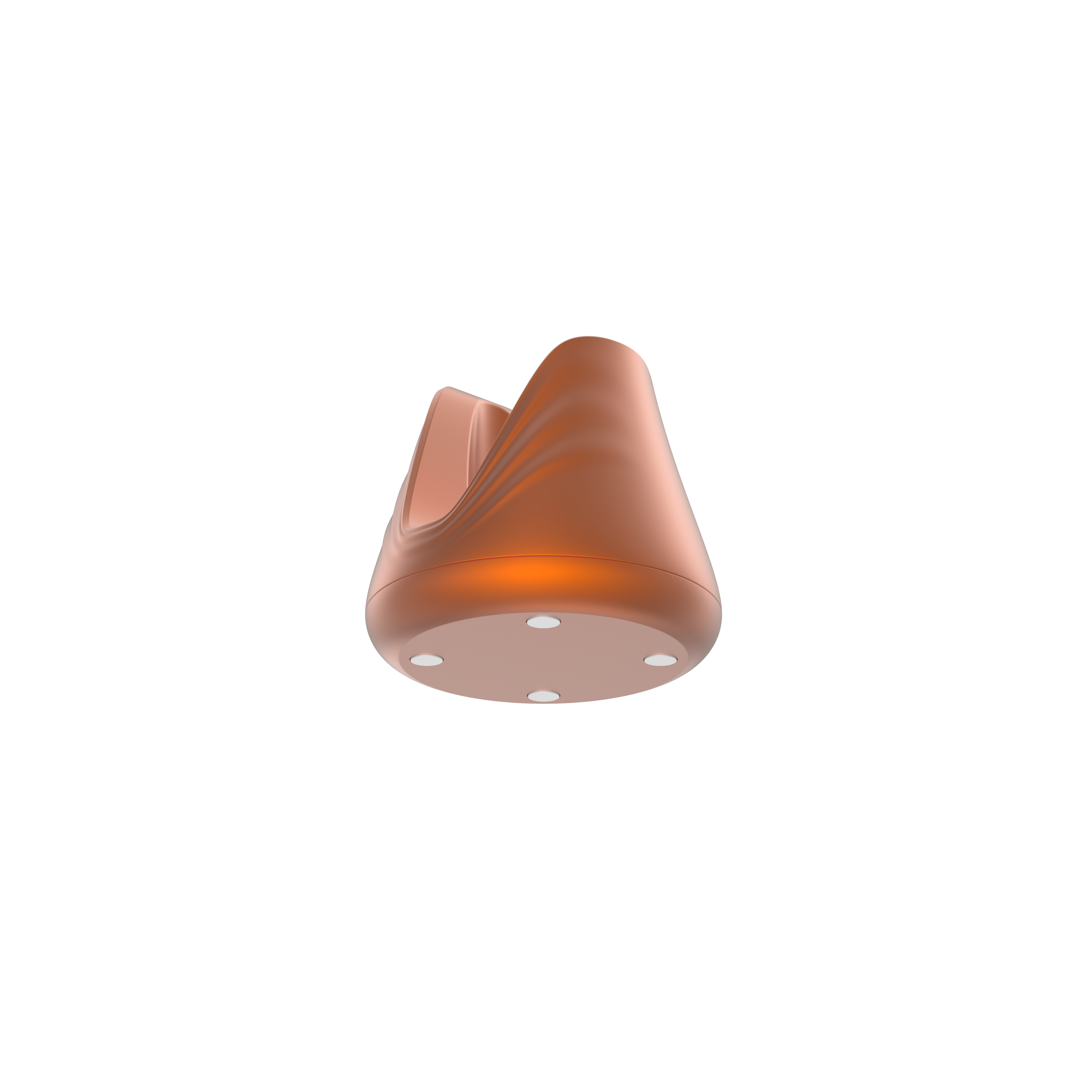
Choosing home use beauty equipment is less about picking the smallest or largest device and more about matching the format to a real routine. A portable tool can be easy to reach for on a busy week, while a stationary unit may make more sense when treatment area, setup stability, or repeatable placement matter. As a technical advisor who reviews home beauty device selection questions, I start with the use case rather than a feature list: where will it live, what area will it address, and will its routine realistically be repeated?
This comparison is for noninvasive products intended for home use. Read the device-specific instructions, check contraindications, and do not assume that a professional procedure belongs in a home routine. For example, the U.S. FDA warns that RF microneedling is a medical procedure and should not be used at home. The format of a device does not replace appropriate intended use or safety guidance.
Before comparing portable and stationary home use beauty equipment, define the treatment pattern. A compact facial cleansing brush, LED mask, microcurrent tool, or massage device is usually used in short, localized sessions. A larger light panel or a unit with a stand may be better suited to a fixed place and a broader treatment area. Neither format is universally better; the wrong choice is the one that adds friction to the routine.
Portable home use beauty equipment is usually the better option when storage, travel, and quick setup are your main constraints. It can be placed in a bathroom cabinet, carried between rooms, or packed for a trip when the manufacturer permits it. This format also works well for people who prefer short, targeted sessions rather than reserving a dedicated treatment space.
There are trade-offs. Small devices may require more repositioning to cover a larger area, and battery-powered products require realistic charging habits. Do not equate portability with lower quality or assume that a rechargeable device will meet a particular performance level. Review the manual for session duration, charging requirements, cleaning instructions, and the intended treatment area.
Stationary home use beauty equipment makes sense when consistency, hands-free placement, or a larger treatment zone outweigh the need to travel. A table-mounted, floor-standing, or fixed-position device can reduce the need to hold an applicator at the same angle throughout a session. It can also make a home routine feel more deliberate because the setup is ready in one location.
The practical cost is space. A stationary device needs a stable, dry location, access to appropriate power, and a place where pets, children, and accidental knocks are not likely to interrupt use. If putting it away after every session feels inconvenient, it may become less useful than a smaller device you actually use as directed.
| Decision factor | Portable format | Stationary format |
|---|---|---|
| Storage | Suited to cabinets, drawers, and limited space. | Suited to a dedicated shelf, table, or treatment corner. |
| Travel | Often easier to transport; check battery and travel guidance. | Usually better kept in one location. |
| Coverage workflow | Useful for small areas and precise repositioning. | Useful when stable, repeatable placement supports the intended routine. |
| Hands-free use | May require holding or wearing the device. | May offer stand-supported or fixed placement, depending on the design. |
| Setup habit | Fits quick, flexible sessions. | Fits scheduled sessions in a consistent environment. |
Whether it is portable or stationary, responsible home use beauty equipment should come with clear intended-use information, instructions, care guidance, and contact details for support. Look for a manual that explains who should not use the product, how long a session should last, what sensation is expected, and when to stop. Where a product makes regulatory or testing claims, assess the claim in the context of your market and the exact model; do not treat a general category statement as proof for a specific device.
For light-based products, follow eye-safety and placement instructions. For electrical products, inspect the cable, plug, housing, and charging arrangement before use. Do not use a device on broken, irritated, or infected skin unless its instructions expressly support that use and a qualified clinician has advised you. If you have a medical condition, implanted electronic device, are pregnant, or take photosensitizing medication, ask an appropriate healthcare professional before use.
Portable home use beauty equipment is a strong choice for flexible, targeted routines and small living spaces. Stationary home use beauty equipment can be the better choice when a fixed setup helps you maintain stable placement and a broader, repeatable routine. Begin with the device’s intended use and safety instructions, then select the format that removes the most barriers between you and consistent, careful use.

2026/10/30
Discover why in-house mold development helps an RF beauty device manufacturer improve product consistency, iteration speed, tooling control, and production readiness.

2026/10/30
Learn how to verify an RF beauty device manufacturer's R&D and prototyping capabilities using practical engineering workflows and audit checklists.

2026/10/30
Learn what shapes MOQ when choosing an RF beauty device manufacturer and how to plan a lower-risk first order with balanced platform and customization.

2026/10/30
Use this RF beauty device manufacturer evaluation checklist to compare safety evidence, OEM and ODM capability, quality control, and launch readiness.

2026/10/30
See how technology makes beauty at home more guided, consistent, and informed—plus a practical checklist for choosing devices wisely.

2026/10/30
Explore how AI and smart devices shape the future of beauty with responsive routines, clear guidance, trustworthy design, and user-controlled care.

Ideal for daily facial care routines, providing easy-to-use beauty solutions at home.

Perfect for spas and salons’ frequent treatments, enhancing client experiences and results.

Supports dermatologists with advanced devices for professional skin therapy sessions.

Delivers innovative solutions for full-body massage and relaxation with home devices.

Features anti-aging technologies to help reduce wrinkles and stimulate skin vitality.

Specialized devices for safe and effective hair removal suitable for home or clinic use.

Our customers love the Perfect Idea beauty devices. Quality, packaging, and results are all outstanding. We saw increased repeat sales after adding their facial cleansers to our lineup. Their support team is responsive and reliable.

Perfect Idea brings innovation and reliability to home beauty appliances. Our collaboration introduced their massage tools to Japanese women, boosting customer satisfaction and growing our brand trust across the region.

We partnered with Shenzhen Perfect Idea Tech for their beauty equipment. The shipping was fast and every product matched our expectations. Their home-use massagers are especially popular with local salons and home users.

The stylish packaging and attractive design make Perfect Idea stand out. French consumers appreciate the easy instructions and visible results. Communication was efficient and orders always arrived on time.

Perfect Idea home use personal care devices have become a favorite with our clients. The beauty device line offers quality at a reasonable price, and technical training for our staff made onboarding easy.

We selected Perfect Idea for our beauty product portfolio and have seen very positive feedback from our customers. Products are easy to market online and the customer support is reliable and helpful.
