 EN
Home Skincare
Ideal for daily facial care routines, providing easy-to-use beauty solutions at home.

2026/10/12
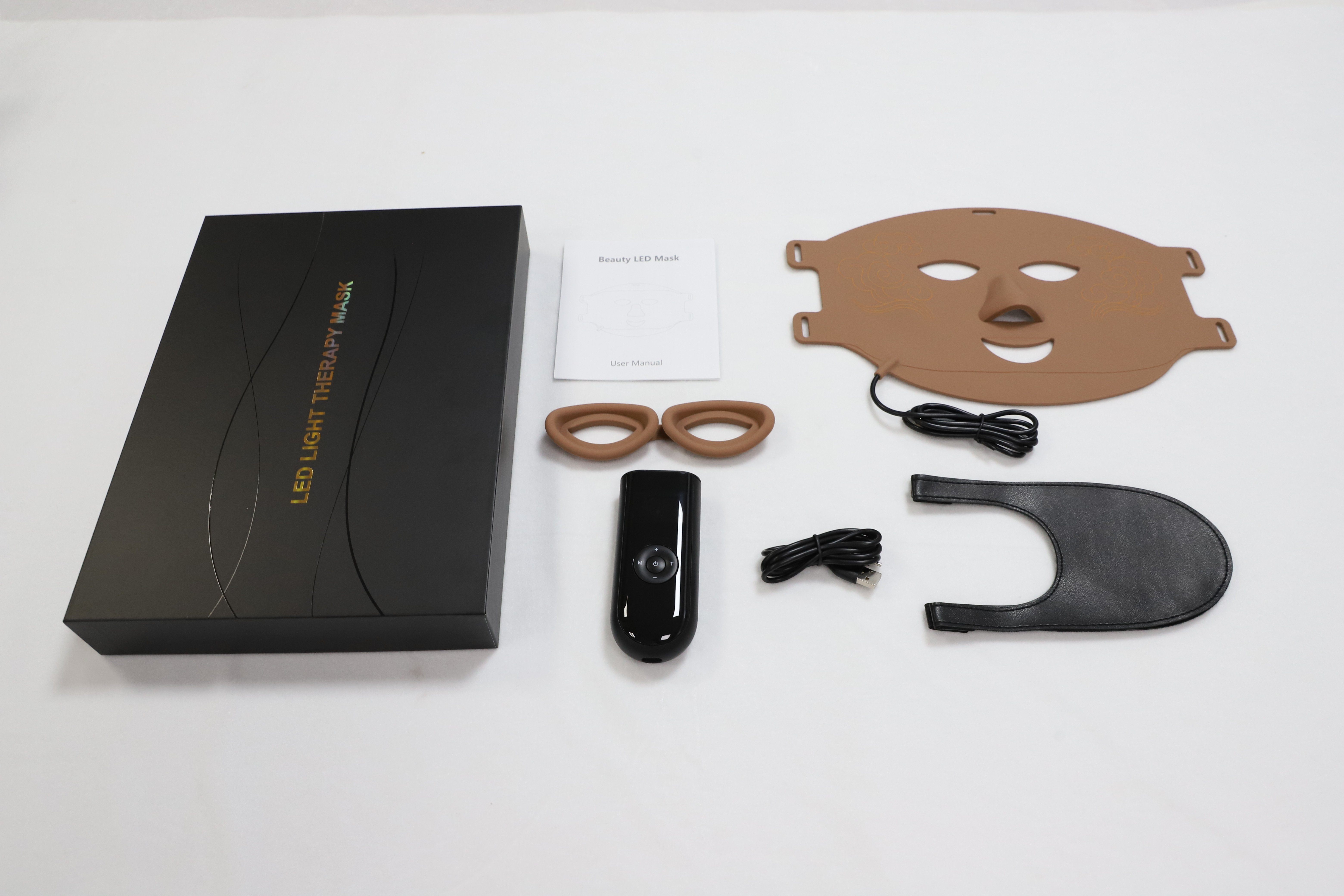
Choosing LED light therapy is less about finding the most impressive-looking mask or panel and more about matching the setting to the skin concern, the level of guidance needed, and the routine someone can realistically maintain. A home device can make LED light therapy easier to repeat. A clinic visit can add assessment, protocol guidance, and follow-up. Neither setting automatically makes a device right for every person.
From a skin-management perspective, start with the decision rather than the marketing language: are you looking for a simple, consistent cosmetic-care routine, or do you need help evaluating a persistent concern, a changing condition, or a treatment plan that may involve other care? That distinction makes the home-versus-clinic choice much clearer.
Many shoppers first compare red, blue, or near-infrared labels. Those labels matter only after the purpose is clear. LED light therapy is commonly discussed in relation to concerns such as the appearance of fine lines, temporary redness, or acne-prone skin, but a color name is not a promise of a particular result. The device’s intended use, instructions, treatment schedule, and the user’s own skin history all shape whether a plan is appropriate.
Write down the goal in one sentence. For example: “I want a low-effort routine to support my existing skin-care habits,” or “I need professional input before trying a light-based device for a recurring breakout pattern.” If the goal is vague, it is easy to buy features that do not change the decision.
Home LED light therapy devices can be a practical option for people who can follow a consistent routine and whose goal fits the documented intended use of a specific device. Convenience is their main advantage: a mask, panel, or handheld format can be used at home on the schedule stated by its manufacturer. For a routine-driven user, fewer barriers can matter more than an elaborate specification sheet.
Before buying, ask for evidence that relates to the exact model—not a general statement about LED light therapy. If a seller refers to FDA clearance, check what the documentation says about that model and its intended use. Clearance should not be translated into a blanket claim that every concern will respond or that a device is equivalent to a clinic protocol.
A clinic can be the better starting point when the concern is persistent, difficult to describe, or connected to a broader treatment history. In that setting, a qualified professional can help decide whether LED light therapy belongs in the plan at all, explain realistic endpoints, and identify situations where another approach or referral may be more suitable.
Clinic care can also help people who struggle to interpret device specifications or skin responses. The value is not simply “stronger light.” It is the combination of assessment, consistent protocol selection, and the chance to discuss medications, procedures, eye sensitivity, or other factors that may affect suitability. Claims such as “professional,” “medical grade,” or “clinical strength” are not a substitute for that discussion.
| Decision factor | Home device | Clinic setting |
|---|---|---|
| Convenience | High when sessions fit a regular home routine. | Requires appointments and travel, but adds guided sessions. |
| Assessment | User interprets the concern and follows supplied instructions. | Professional assessment can clarify whether light-based care is appropriate. |
| Protocol consistency | Depends on the user following the schedule and device directions. | Protocol can be selected and adjusted with professional oversight. |
| Documentation to review | Intended use, safety information, instructions, and any model-specific clearance documentation. | Provider qualifications, treatment rationale, expected course, and aftercare guidance. |
| Suitable situation | Defined goals, realistic expectations, and comfort with a self-directed routine. | Unclear, persistent, or complex concerns that benefit from consultation. |
For buyers evaluating a product line, these questions are also useful for comparing suppliers. Clear instructions, honest claim boundaries, and accessible support reduce confusion after purchase. In contrast, a page that relies on broad benefit lists while omitting intended-use details makes an informed LED light therapy decision harder.
Read the manual before the first session, including the sections that are easy to skip. Follow the stated schedule rather than extending session time in pursuit of faster results. Keep the device clean as directed, use any supplied eye-protection measures correctly, and avoid layering in unverified routines that could complicate the response of the skin.
It also helps to keep a simple record: the date, the device setting if applicable, any products used at the same time, and how the skin feels afterward. A short log is more useful than memory if you later need to discuss the routine with a professional. Stop and seek advice if you experience concerning discomfort or a reaction you cannot explain.
Home LED light therapy can suit someone with a defined goal, a documented device, and the discipline to follow directions. A clinic is often the better first step when the concern is persistent, unclear, or likely to benefit from assessment and oversight. The strongest choice is not the one with the boldest claim; it is the option whose intended use, safety information, and routine requirements you understand well enough to follow.
If you are unsure, begin with a professional conversation and bring the product information you are considering. That turns a general interest in LED light therapy into a decision based on fit, not hype.

2026/10/30
Discover why in-house mold development helps an RF beauty device manufacturer improve product consistency, iteration speed, tooling control, and production readiness.

2026/10/30
Learn how to verify an RF beauty device manufacturer's R&D and prototyping capabilities using practical engineering workflows and audit checklists.

2026/10/30
Learn what shapes MOQ when choosing an RF beauty device manufacturer and how to plan a lower-risk first order with balanced platform and customization.

2026/10/30
Use this RF beauty device manufacturer evaluation checklist to compare safety evidence, OEM and ODM capability, quality control, and launch readiness.

2026/10/30
See how technology makes beauty at home more guided, consistent, and informed—plus a practical checklist for choosing devices wisely.

2026/10/30
Explore how AI and smart devices shape the future of beauty with responsive routines, clear guidance, trustworthy design, and user-controlled care.

Ideal for daily facial care routines, providing easy-to-use beauty solutions at home.

Perfect for spas and salons’ frequent treatments, enhancing client experiences and results.

Supports dermatologists with advanced devices for professional skin therapy sessions.

Delivers innovative solutions for full-body massage and relaxation with home devices.

Features anti-aging technologies to help reduce wrinkles and stimulate skin vitality.

Specialized devices for safe and effective hair removal suitable for home or clinic use.

Our customers love the Perfect Idea beauty devices. Quality, packaging, and results are all outstanding. We saw increased repeat sales after adding their facial cleansers to our lineup. Their support team is responsive and reliable.

Perfect Idea brings innovation and reliability to home beauty appliances. Our collaboration introduced their massage tools to Japanese women, boosting customer satisfaction and growing our brand trust across the region.

We partnered with Shenzhen Perfect Idea Tech for their beauty equipment. The shipping was fast and every product matched our expectations. Their home-use massagers are especially popular with local salons and home users.

The stylish packaging and attractive design make Perfect Idea stand out. French consumers appreciate the easy instructions and visible results. Communication was efficient and orders always arrived on time.

Perfect Idea home use personal care devices have become a favorite with our clients. The beauty device line offers quality at a reasonable price, and technical training for our staff made onboarding easy.

We selected Perfect Idea for our beauty product portfolio and have seen very positive feedback from our customers. Products are easy to market online and the customer support is reliable and helpful.
