 EN
Home Skincare
Ideal for daily facial care routines, providing easy-to-use beauty solutions at home.

2026/09/17
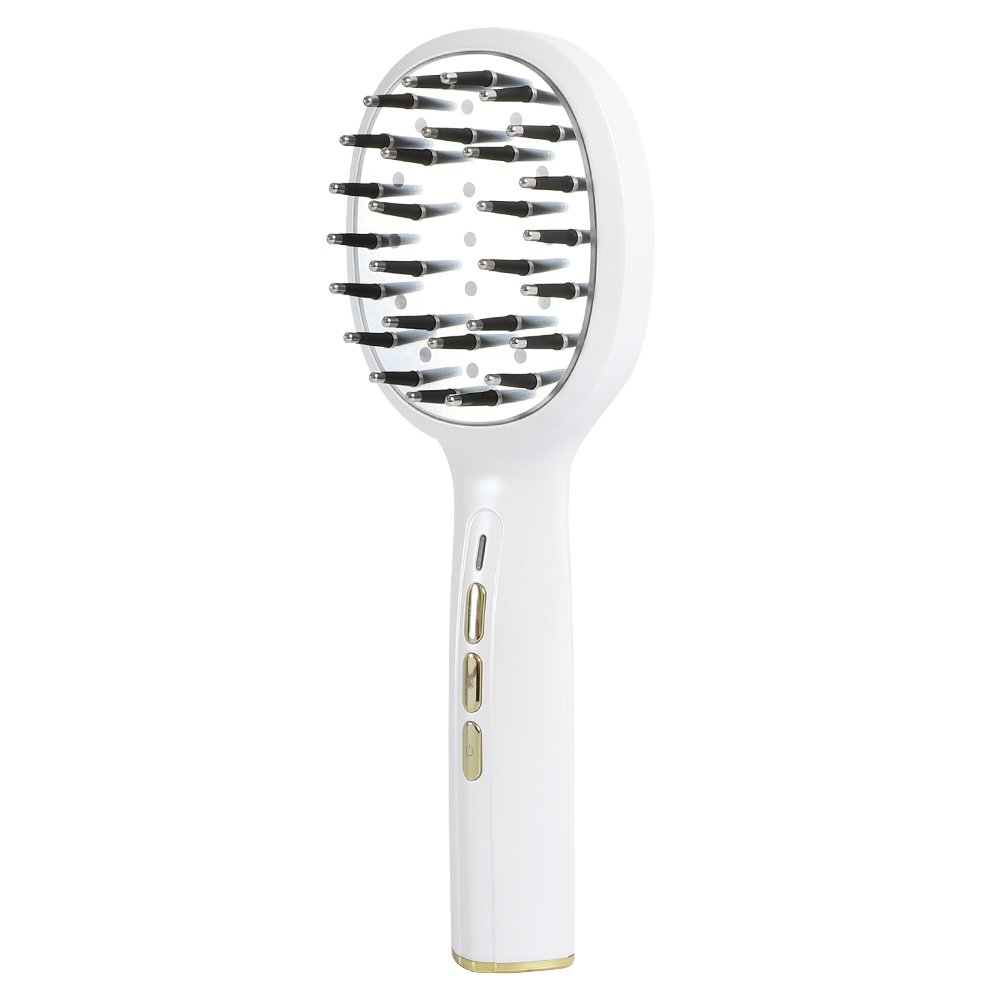
As a technical consultant focused on home-use beauty device evaluation, one of the most common questions from brand buyers is: when an ultrasound facial machine offers six or eight different treatment modes, how do you actually decide if that's useful — or just a marketing checklist? The honest answer is that multi-mode design on its own tells you very little. What matters is whether those modes are built to work together logically, and whether the ultrasound facial machine's core performance holds up across all of them.
This guide walks through the key evaluation dimensions when comparing ultrasonic facial equipment with multiple treatment modes — not the feature count, but the underlying logic of how those modes interact, who they suit, and what to look for in hardware and safety credentials.
A multi-modal ultrasound facial machine typically combines ultrasonic vibration with one or more additional modalities — common additions include RF skin tightening, microcurrent toning, EMS (electrical muscle stimulation), LED phototherapy, or warm/cool therapy. Each modality acts on a different layer of the skin: ultrasonic waves work primarily on the epidermal and near-dermal layer to facilitate exfoliation and product absorption; RF energy penetrates deeper to stimulate collagen remodeling; microcurrent and EMS target facial muscle tone; LED therapy operates photochemically with different wavelengths for different concerns.
Understanding this layering logic is the first checkpoint. A well-designed ultrasound facial machine assigns each modality to a distinct phase of a skincare routine — rather than stacking them into simultaneous output that's hard to calibrate. If you're evaluating facial treatment equipment for B2B selection or product development, ask the supplier to walk through the intended use sequence for each mode. Vague answers about "synergistic effects" without a logical routine sequence are a warning sign.
The ultrasonic component is the foundation of any ultrasound facial machine, so start here. Most home-use devices operate in the 1–3 MHz range. Within that range, different frequencies suit different needs: 1 MHz penetrates slightly deeper and is better suited for tightening applications; 3 MHz is more surface-focused, appropriate for exfoliation and serum introduction. When evaluating an ultrasound facial machine, the key question is whether frequency adjusts per mode or remains locked at a single output across all modes. A device running at the same frequency in both cleansing and tightening modes is not optimizing either function — it's one technology with different labels.
Intensity levels matter equally. Check whether the range is broad enough to accommodate sensitive skin at the low end. If you're unsure what intensity suits your skin tolerance, start at the lowest available setting and allow at least three sessions before increasing — your skin's response to ultrasonic vibration is more useful feedback than the specification sheet.
The most common selection mistake is choosing the ultrasound facial machine with the most modes without first identifying which two or three are actually relevant to your skincare goals. A device with eight modes where five are irrelevant to your skin type is less useful in practice than a focused device with four purposefully designed modes.
Before comparing devices, answer these questions: Are you looking for improved product absorption and surface texture (ultrasonic cleansing or introduction modes)? Or is the priority skin firmness and lifting (RF or tightening modes on your ultrasound facial machine)? Or a combination — improving overall tone and reducing fine lines over time through EMS, LED, and ultrasound together?
For brand buyers developing product lines aimed at European or North American markets, an ultrasound facial machine that clearly positions its mode combination for a specific skincare concern is typically easier to build compliant marketing content around, and easier for the end user to achieve consistent results with.
Any ultrasound facial machine intended for home use should carry recognized safety certifications for its target market. CE marking under applicable low-voltage and electromagnetic compatibility directives is a baseline for European markets. For North American markets, FDA clearance (Class II clearance for ultrasonic facial applications) or UL/FCC compliance is the relevant reference. Japanese market requirements follow PSE standards.
When evaluating supplier documentation, confirm that the certification scope covers the ultrasound facial machine across all mode outputs — not just at a single operating parameter. A device tested only in its lowest-output mode but marketed as a multi-mode high-intensity skin tightening machine has a compliance gap that affects both importers and end users.
Most ultrasound facial machine models require a conductive medium — typically an ultrasound gel, serum, or coupling agent — to transmit ultrasonic energy across the skin surface. The type of gel required, how much is needed per session, and whether the device performs consistently with standard water-based serums versus specialized gels will directly affect daily experience and ongoing cost.
Hardware build quality signals include the transducer head quality, weight distribution (devices too back-heavy become difficult to maneuver around the jawline), and whether mode-switching is intuitive enough for daily routine use. An impressive specification sheet on an ergonomically poor ultrasound facial machine reliably results in low use frequency — and low use frequency means no skin benefit, regardless of the technology claims.
When comparing multi-mode ultrasonic facial equipment, prioritize these four questions in order:
Multi-mode ultrasonic facial equipment represents a genuine advancement in home skincare when the modes are purposefully designed and the hardware supports their function. A quality ultrasound facial machine with complementary modalities — when chosen based on mode logic rather than mode count — can deliver a layered skincare routine in a single device. Chosen based only on feature count, even the most advanced skin tightening machine or facial treatment equipment will typically become unused after the initial trial period ends.

2026/10/30
Discover why in-house mold development helps an RF beauty device manufacturer improve product consistency, iteration speed, tooling control, and production readiness.

2026/10/30
Learn how to verify an RF beauty device manufacturer's R&D and prototyping capabilities using practical engineering workflows and audit checklists.

2026/10/30
Learn what shapes MOQ when choosing an RF beauty device manufacturer and how to plan a lower-risk first order with balanced platform and customization.

2026/10/30
Use this RF beauty device manufacturer evaluation checklist to compare safety evidence, OEM and ODM capability, quality control, and launch readiness.

2026/10/30
See how technology makes beauty at home more guided, consistent, and informed—plus a practical checklist for choosing devices wisely.

2026/10/30
Explore how AI and smart devices shape the future of beauty with responsive routines, clear guidance, trustworthy design, and user-controlled care.

Ideal for daily facial care routines, providing easy-to-use beauty solutions at home.

Perfect for spas and salons’ frequent treatments, enhancing client experiences and results.

Supports dermatologists with advanced devices for professional skin therapy sessions.

Delivers innovative solutions for full-body massage and relaxation with home devices.

Features anti-aging technologies to help reduce wrinkles and stimulate skin vitality.

Specialized devices for safe and effective hair removal suitable for home or clinic use.

Our customers love the Perfect Idea beauty devices. Quality, packaging, and results are all outstanding. We saw increased repeat sales after adding their facial cleansers to our lineup. Their support team is responsive and reliable.

Perfect Idea brings innovation and reliability to home beauty appliances. Our collaboration introduced their massage tools to Japanese women, boosting customer satisfaction and growing our brand trust across the region.

We partnered with Shenzhen Perfect Idea Tech for their beauty equipment. The shipping was fast and every product matched our expectations. Their home-use massagers are especially popular with local salons and home users.

The stylish packaging and attractive design make Perfect Idea stand out. French consumers appreciate the easy instructions and visible results. Communication was efficient and orders always arrived on time.

Perfect Idea home use personal care devices have become a favorite with our clients. The beauty device line offers quality at a reasonable price, and technical training for our staff made onboarding easy.

We selected Perfect Idea for our beauty product portfolio and have seen very positive feedback from our customers. Products are easy to market online and the customer support is reliable and helpful.
