 EN
Home Skincare
Ideal for daily facial care routines, providing easy-to-use beauty solutions at home.

2026/09/25
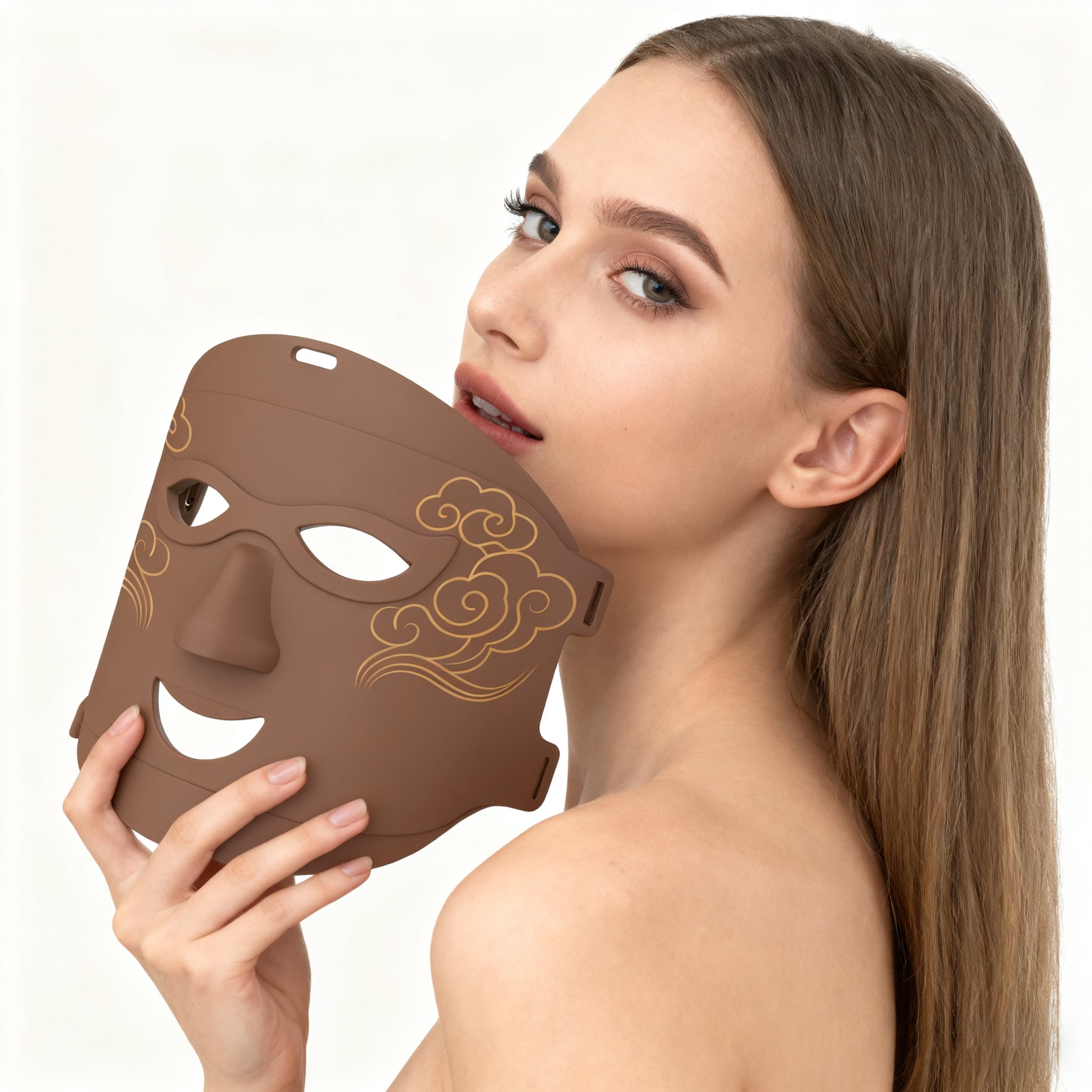
Choosing a face mask with LED technology can feel harder than it should. Product pages may list several colors, impressive-looking numbers, and dramatic before-and-after language. A better approach is to decide what you need the device to do, then compare the design, safety information, and routine you can realistically maintain. For at-home skin rejuvenation, consistency and sensible use matter more than chasing the longest feature list.
As a technical adviser who reviews home beauty-device selection criteria, I start with one practical question: will this face mask fit comfortably into the user’s actual evening routine? A well-specified device that stays in a drawer is not a good choice. This guide explains how to compare LED options without treating any one specification as a promise of results.
LED devices are often described through photobiomodulation: selected wavelengths of visible or near-infrared light are used in a controlled home-care format. For a rejuvenation-focused face mask, buyers commonly look at red light and near-infrared light. Product guides frequently discuss red light in the roughly 630–660 nm range and near-infrared light in the roughly 830–850 nm range. Those ranges are useful comparison points, not a promise that two products with similar labels will perform identically.
Before comparing modes, write down the one or two concerns you want to address. Are you hoping to support a more even-looking complexion, improve the appearance of fine lines, or simply add a calm, repeatable step to your skincare routine? If acne-focused blue light is included, it should be a separate need rather than a reason to buy extra modes by default. More colors do not automatically make a face mask more suitable.
A credible listing should state which wavelengths or wavelength ranges are used, rather than relying only on labels such as “seven-color therapy.” Look for an explanation of each mode and its intended use. If a brand cannot clearly identify the light settings, it is difficult to compare that face mask with alternatives or follow a purposeful routine.
Irradiance, treatment duration, distance from the skin, and heat control work together. A higher number on one line of a specification sheet is not automatically better. An at-home device should provide a defined treatment time and instructions that keep use within the intended operating conditions. A timer and a simple control layout are often more valuable than a complicated menu, because they make a face mask easier to use consistently.
Eye safety belongs near the top of the checklist. Review whether the device includes designed eye protection, how it fits around the eye area, and whether the instructions address each light mode. Do not stare directly into LEDs, and follow the manufacturer’s guidance. If you have an eye condition, photosensitivity, take medicines that may increase light sensitivity, or are under dermatologic care, ask an appropriate clinician before adding an LED face mask to your routine.
Many people begin by comparing power or wavelength data, then discover that weight, straps, nose support, and coverage determine whether they actually use the device. A rigid-shell design can feel stable, while a flexible silicone design may be easier to store and may conform differently to the face. Neither is universally superior. Consider your head size, whether you prefer to sit or lie down during treatment, and whether the face mask leaves pressure points along the bridge of the nose or temples.
Look for skin-contact materials that are easy to clean according to the instructions. Adjustable straps, a secure controller connection, and an uncomplicated charging method are practical quality markers. If you are buying for a brand program, sample testing should also include fit across different face shapes and a review of cleaning instructions, packaging, and user labeling.
An LED face mask is a home-care tool, not a replacement for medical evaluation or in-office treatment. Improvements, if they occur, are usually gradual and depend on the device, the concern being treated, skin condition, adherence, and the rest of the routine. It is more realistic to evaluate comfort, skin response, and regular use over weeks than to judge the device after one session.
Many users expect the device alone to do all the work. In practice, a face mask is one part of a routine that can also include gentle cleansing, sun protection, and products your skin tolerates. Start at the recommended schedule rather than increasing sessions to accelerate results. If you notice persistent irritation or an unexpected reaction, stop using the device and seek professional advice.
For brands developing a new device, an OEM/ODM partner can help align product design, packaging, and user instructions with the intended market. That process should support compliance review; it should not be used as a substitute for the buyer’s own regulatory assessment.
The right LED face mask is not necessarily the one with the most modes or the boldest claims. It is the one with transparent specifications, thoughtful eye and fit design, clear instructions, and a treatment routine that suits your skin and schedule. Use the checklist to compare options on substance, keep expectations measured, and give safe, consistent use more weight than marketing shortcuts.

2026/10/30
Discover why in-house mold development helps an RF beauty device manufacturer improve product consistency, iteration speed, tooling control, and production readiness.

2026/10/30
Learn how to verify an RF beauty device manufacturer's R&D and prototyping capabilities using practical engineering workflows and audit checklists.

2026/10/30
Learn what shapes MOQ when choosing an RF beauty device manufacturer and how to plan a lower-risk first order with balanced platform and customization.

2026/10/30
Use this RF beauty device manufacturer evaluation checklist to compare safety evidence, OEM and ODM capability, quality control, and launch readiness.

2026/10/30
See how technology makes beauty at home more guided, consistent, and informed—plus a practical checklist for choosing devices wisely.

2026/10/30
Explore how AI and smart devices shape the future of beauty with responsive routines, clear guidance, trustworthy design, and user-controlled care.

Ideal for daily facial care routines, providing easy-to-use beauty solutions at home.

Perfect for spas and salons’ frequent treatments, enhancing client experiences and results.

Supports dermatologists with advanced devices for professional skin therapy sessions.

Delivers innovative solutions for full-body massage and relaxation with home devices.

Features anti-aging technologies to help reduce wrinkles and stimulate skin vitality.

Specialized devices for safe and effective hair removal suitable for home or clinic use.

Our customers love the Perfect Idea beauty devices. Quality, packaging, and results are all outstanding. We saw increased repeat sales after adding their facial cleansers to our lineup. Their support team is responsive and reliable.

Perfect Idea brings innovation and reliability to home beauty appliances. Our collaboration introduced their massage tools to Japanese women, boosting customer satisfaction and growing our brand trust across the region.

We partnered with Shenzhen Perfect Idea Tech for their beauty equipment. The shipping was fast and every product matched our expectations. Their home-use massagers are especially popular with local salons and home users.

The stylish packaging and attractive design make Perfect Idea stand out. French consumers appreciate the easy instructions and visible results. Communication was efficient and orders always arrived on time.

Perfect Idea home use personal care devices have become a favorite with our clients. The beauty device line offers quality at a reasonable price, and technical training for our staff made onboarding easy.

We selected Perfect Idea for our beauty product portfolio and have seen very positive feedback from our customers. Products are easy to market online and the customer support is reliable and helpful.
