 EN
Home Skincare
Ideal for daily facial care routines, providing easy-to-use beauty solutions at home.

2026/09/15
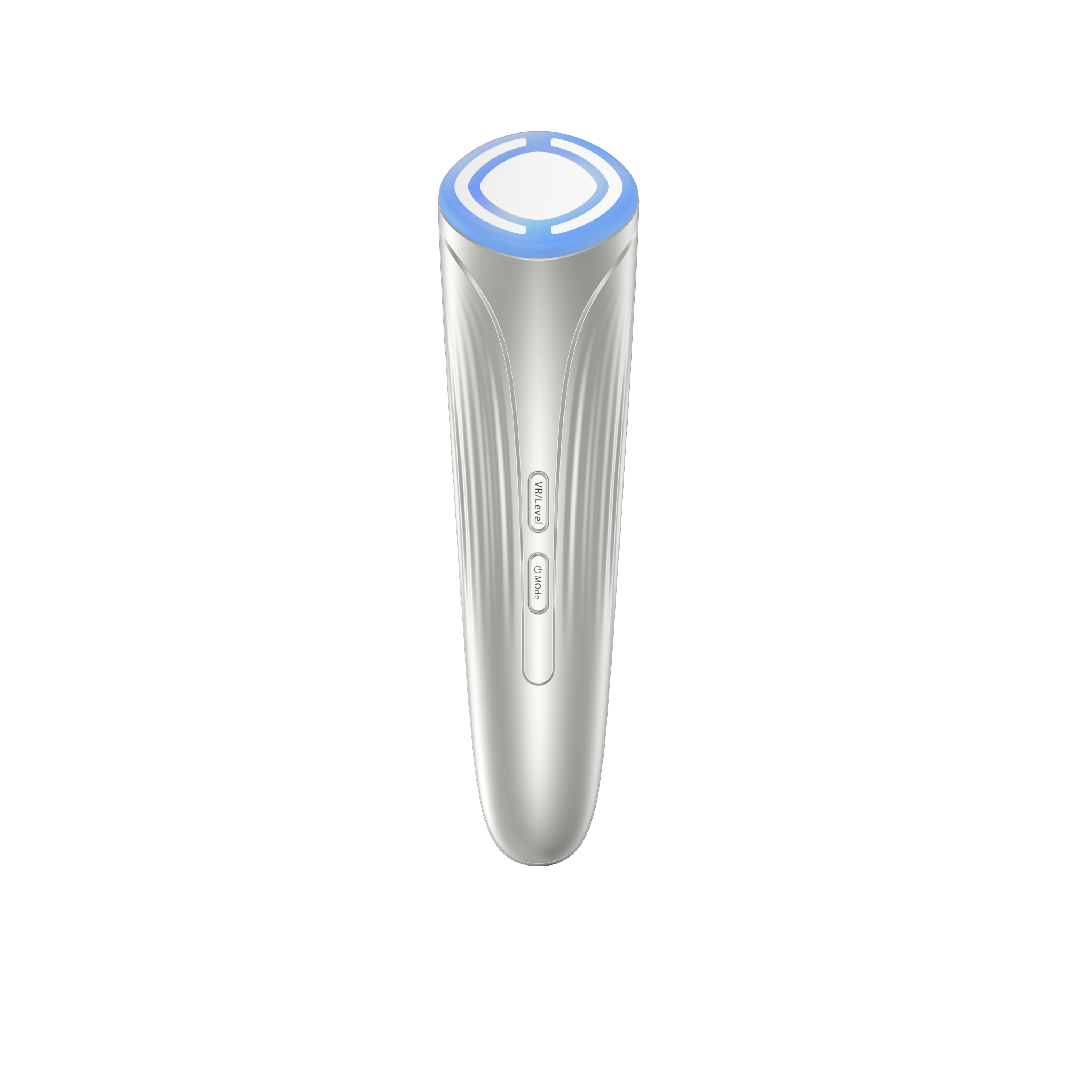
As someone who has spent years working closely with home beauty devices across different technologies and skin care goals, I've learned that picking the right device is less about chasing the most expensive option and more about understanding what your skin actually needs. The market for anti aging beauty devices has expanded dramatically, and while that means more choices, it also means more potential for buying something that ends up sitting in a drawer unused.
If your priority is reversing visible signs of aging at home, the most important decision you'll make isn't which brand to choose - it's which technology suits your specific concern.
Most effective home beauty devices for anti-aging fall into three main technology categories: LED light therapy, radiofrequency (RF), and microcurrent. Understanding what each one does - and what it doesn't do - is the foundation for making a smart purchase decision.
LED therapy works through photobiomodulation, stimulating cellular mitochondrial pathways that promote collagen synthesis and fibroblast activity. Red and near-infrared wavelengths are the most clinically studied for anti-aging applications.
In an 8-week study using 637nm and 854nm wavelengths twice weekly, 24 participants showed significantly higher skin elasticity and moisture compared to the control group. A separate series of trials with the 830nm and 633nm combination found that 74% of participants reported significant improvement in fine lines and wrinkles after four weeks of treatment, and 84% noticed improved skin tone.
What this means practically: LED is particularly well-suited for improving overall skin texture, reducing early-stage fine lines, and building long-term skin health. It's gentle, typically safe for most skin types including sensitive skin, and requires minimal technique. The trade-off is that visible results develop gradually over weeks rather than sessions.
Recommended for: If your main concern is dull skin, surface-level fine lines, or you want a foundational daily care tool that builds cumulative results, a home beauty device using LED light therapy is often a practical starting point.
RF devices deliver thermal energy to the dermal layer, triggering collagen remodeling and new collagen production over time. Unlike LED, which works at the surface and cellular level, RF reaches deeper into the skin where the structural loss associated with aging actually begins.
A 2022 randomized split-face clinical trial with women aged 35 to 60 demonstrated that consistent home RF use over 12 weeks produced significant improvements in wrinkle depth, skin radiance, color uniformity, and skin thickness - measurably outperforming the same routine without the device. Results typically peak at the two to six month mark with consistent use.
The important caveat: RF devices require careful technique. Leaving the probe stationary for too long can cause irritation. For darker skin tones, certain RF settings carry a higher risk of uneven heating, so choosing a device with built-in temperature sensors matters more than it might seem.
Recommended for: If your concern centers on visible sagging, jawline laxity, or deeper wrinkles - especially if you're in your mid-30s or beyond - a skin tightening beauty device using RF technology targets the layer of skin where these changes are happening.
Microcurrent devices deliver low-level electrical current that works with the body's natural bioelectrical system to stimulate facial muscles and improve muscle tone. The effects are partly mechanical and partly stimulatory, making this technology different from RF and LED in that it addresses the muscular structure underlying the skin, not just the skin itself.
In a 12-week trial with participants using microcurrent five times per week, facial muscle thickness increased by 18.7% compared to baseline, while the control group showed no significant change. Importantly, these effects diminish when use stops - microcurrent requires a commitment to consistent maintenance, not just an initial treatment phase.
For daily use, a home beauty device in the microcurrent category typically requires a conductive gel applied before each session. This adds a step but also signals that you're getting actual electrical contact with the skin, which is what drives the benefit.
Recommended for: If your priority is lifting the contour, improving facial tone, or reducing puffiness - particularly as part of an early anti-aging routine - microcurrent delivers visible toning effects relatively quickly (often within a few sessions) compared to RF and LED.
The most useful framework for choosing between these technologies isn't brand or price - it's working backward from your primary skin concern:
A consideration many people overlook: if your skin barrier is compromised or you've recently had professional treatments (chemical peels, laser sessions), wait until your skin has fully recovered before starting RF or microcurrent use. LED is generally more tolerant during recovery periods, but it's worth checking the manufacturer's guidance for your specific situation.
Even with the right technology identified, a few practical variables determine whether a device actually gets used consistently - which is the real predictor of results.
Session time and ease of use: A device requiring 20-minute daily sessions with a two-step prep process has a higher dropout rate than one that integrates into an existing routine in 5 minutes. Honest self-assessment about your daily schedule matters here.
Portability and charging: For travel or multi-room use, cordless and USB-rechargeable options reduce the friction of consistent use. This is especially relevant for microcurrent, where frequency of use directly correlates with maintenance of results.
Skin type compatibility: Not all anti aging beauty devices are suitable for all skin types. RF devices especially can present risks for darker skin tones if the device lacks proper safety controls. LED is broadly tolerated, but blue light wavelengths can occasionally irritate sensitive skin. Check clinical safety data for the specific wavelength or RF frequency range, not just the product category.
I've seen a pattern with home beauty device purchases that mirrors what happens with skincare generally: high initial enthusiasm, frustration when two-week results don't match the packaging claims, and early abandonment. The clinical evidence for these technologies is real, but the timelines are longer than most marketing implies.
LED therapy shows cumulative improvement over four to eight weeks of consistent use. RF collagen remodeling reaches its peak results at two to six months. Microcurrent toning is more immediate but requires ongoing maintenance. If you set expectations at these timelines rather than "visible results in days," you're much more likely to reach the point where the investment pays off.
Choosing the right home beauty device for anti-aging care starts with identifying your primary concern, then matching the technology that addresses it most directly. From there, the practical factors of usability, skin type compatibility, and consistent use will determine whether the device becomes part of your routine or a shelf item.

2026/10/30
Discover why in-house mold development helps an RF beauty device manufacturer improve product consistency, iteration speed, tooling control, and production readiness.

2026/10/30
Learn how to verify an RF beauty device manufacturer's R&D and prototyping capabilities using practical engineering workflows and audit checklists.

2026/10/30
Learn what shapes MOQ when choosing an RF beauty device manufacturer and how to plan a lower-risk first order with balanced platform and customization.

2026/10/30
Use this RF beauty device manufacturer evaluation checklist to compare safety evidence, OEM and ODM capability, quality control, and launch readiness.

2026/10/30
See how technology makes beauty at home more guided, consistent, and informed—plus a practical checklist for choosing devices wisely.

2026/10/30
Explore how AI and smart devices shape the future of beauty with responsive routines, clear guidance, trustworthy design, and user-controlled care.

Ideal for daily facial care routines, providing easy-to-use beauty solutions at home.

Perfect for spas and salons’ frequent treatments, enhancing client experiences and results.

Supports dermatologists with advanced devices for professional skin therapy sessions.

Delivers innovative solutions for full-body massage and relaxation with home devices.

Features anti-aging technologies to help reduce wrinkles and stimulate skin vitality.

Specialized devices for safe and effective hair removal suitable for home or clinic use.

Our customers love the Perfect Idea beauty devices. Quality, packaging, and results are all outstanding. We saw increased repeat sales after adding their facial cleansers to our lineup. Their support team is responsive and reliable.

Perfect Idea brings innovation and reliability to home beauty appliances. Our collaboration introduced their massage tools to Japanese women, boosting customer satisfaction and growing our brand trust across the region.

We partnered with Shenzhen Perfect Idea Tech for their beauty equipment. The shipping was fast and every product matched our expectations. Their home-use massagers are especially popular with local salons and home users.

The stylish packaging and attractive design make Perfect Idea stand out. French consumers appreciate the easy instructions and visible results. Communication was efficient and orders always arrived on time.

Perfect Idea home use personal care devices have become a favorite with our clients. The beauty device line offers quality at a reasonable price, and technical training for our staff made onboarding easy.

We selected Perfect Idea for our beauty product portfolio and have seen very positive feedback from our customers. Products are easy to market online and the customer support is reliable and helpful.
