 EN
Home Skincare
Ideal for daily facial care routines, providing easy-to-use beauty solutions at home.

2026/10/29
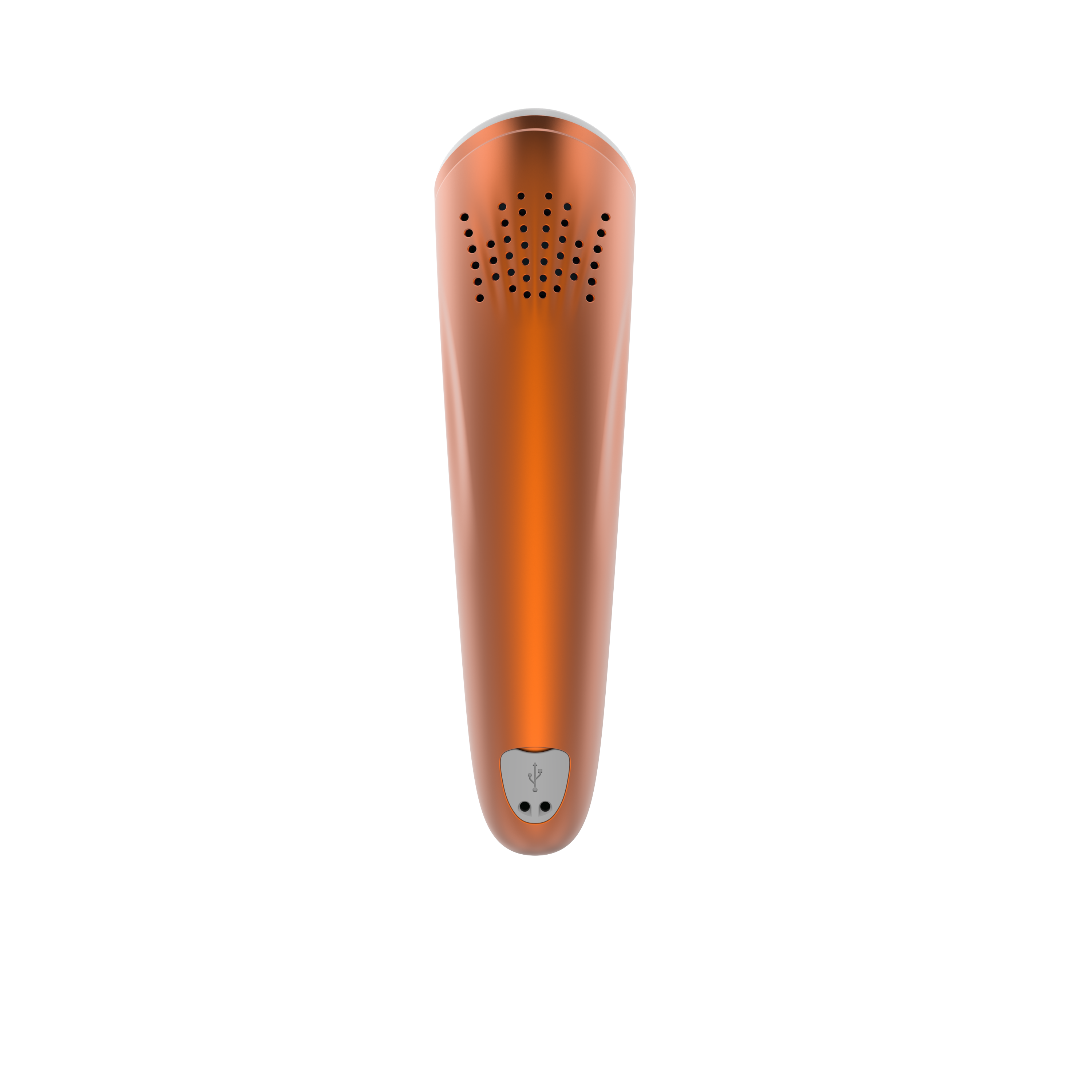
For a beauty-device brand, the first device sale is only the beginning. The stronger commercial opportunity is helping customers build a routine they can understand, repeat, and replenish. Well-designed beauty products bundles pair a device with compatible consumables, clear usage guidance, and a sensible follow-up path. That creates a better customer experience than a loose collection of discounts—and gives the brand more reasons to stay useful after checkout.
Many bundles underperform because they combine items that are individually popular but do not solve one complete moment in the customer’s routine. A cleanser, an LED mask, a serum, and a moisturizer can look generous on a product page, yet the buyer may still wonder what to use first, how often to use the device, or whether two formulas are compatible.
That uncertainty is costly. Customers who are unsure about sequence or expectations are more likely to stop using the device, leave unopened consumables in a drawer, and view the purchase as a novelty. In contrast, routine-led beauty products bundles make the next action obvious: prepare the skin, use the device as directed, apply the appropriate product, and return for the consumable when it is genuinely running low.
A useful internal rule is simple: every item in a bundle should have a job. It should either prepare the skin, support the intended device-use step, protect comfort, maintain the device, or extend the routine between device sessions. If an item has no clear job, it probably belongs in a separate cross-sell rather than the core kit.
Begin by defining one user, one concern category, and one cadence. Broad “ultimate beauty” sets are difficult to explain and even harder to replenish. Focused bundles are easier to merchandise, support, and measure.
Price can motivate a first purchase, but compatibility is what gives a bundle a reason to exist. Explain the relationship in practical terms: texture, application order, contact medium, clean-up needs, session timing, and skin-comfort considerations. That is more credible than promising dramatic results from a combination.
Claims need equal care. In the United States, cosmetics are defined by intended use, including cleansing, beautifying, promoting attractiveness, or altering appearance. Brands should have regional regulatory and legal teams review all device-plus-cosmetic claims, labels, and instructions before launch. The bundle should not use cosmetic language to imply disease treatment or a change to body structure or function.
A single box rarely serves every customer. A tiered architecture lets a brand welcome new users, support committed users, and create replenishment opportunities without forcing a large first order.
| Bundle tier | Purpose | Suggested contents | Retention role |
|---|---|---|---|
| Starter | Reduce first-use uncertainty | Device, one compatible consumable, quick-start routine | Gets the customer to a successful first session |
| Routine | Support consistent use | Device, 30–60 day consumable plan, care instructions, optional accessories | Creates a clear replenishment window |
| Refill or seasonal | Extend the relationship | Compatible consumables, replacement accessories where relevant, refreshed routine guidance | Brings the customer back without requiring another device |
A bundle does not retain customers merely because it contains more units. It retains them when customers know how to use it with confidence. Put the practical explanation where it is needed: on-pack, in the order confirmation, in the first-week email, and in a QR-linked care guide.
Before approving a kit, review every component as part of one customer journey. The following questions keep beauty products useful rather than incidental:
A kit that passes this review gives the customer a coherent reason to use—and later reorder—the beauty products in it.
Retention messaging works more effectively when it follows the customer’s experience instead of a generic campaign calendar. Map communications to observable milestones: delivery, first use, early habit formation, likely replenishment, and seasonal renewal.
Segmentation makes this more useful. A customer who bought a starter kit may need a confidence-building tutorial; a repeat buyer may prefer a concise refill offer. A customer who has not activated the device should receive troubleshooting or education before a sales message. The point is to support the routine first and sell second.
Do not judge a device bundle by launch-week revenue alone. Measure whether it helps customers establish the behaviors that predict an ongoing relationship. Review bundle attachment rate, first-use engagement, consumable reorder rate, time to second purchase, support contacts by issue type, refund reasons, and repeat purchase rate by cohort.
Before scaling, confirm that supply, instructions, and support can sustain the promise. Test product compatibility, shelf-life and storage requirements, regional labeling, returns handling, replacement-part availability, and packaging protection. For giftable sets, make sure the unboxing sequence still teaches the routine rather than burying the guidance under decorative materials.
For brands working with an OEM/ODM partner, align device design, packaging, consumable sourcing, and content development early. A supplier capable of coordinating home beauty devices, personal-care appliances, and tailored gift packaging can simplify the project, but the brand should still validate claims, market requirements, and the final customer journey for each region.
The most durable beauty products bundle is not a one-off promotion. It is a clear, compatible routine that helps a customer succeed with a device and know exactly what to replenish next. Start with one use case, build a sensible tier ladder, communicate the sequence clearly, and let real use data determine the follow-up.
When customers see the device and consumables as parts of one manageable ritual, the brand earns repeat engagement without relying on constant discounts. That is the practical route from a device sale to a longer customer relationship.

2026/10/30
Discover why in-house mold development helps an RF beauty device manufacturer improve product consistency, iteration speed, tooling control, and production readiness.

2026/10/30
Learn how to verify an RF beauty device manufacturer's R&D and prototyping capabilities using practical engineering workflows and audit checklists.

2026/10/30
Learn what shapes MOQ when choosing an RF beauty device manufacturer and how to plan a lower-risk first order with balanced platform and customization.

2026/10/30
Use this RF beauty device manufacturer evaluation checklist to compare safety evidence, OEM and ODM capability, quality control, and launch readiness.

2026/10/30
See how technology makes beauty at home more guided, consistent, and informed—plus a practical checklist for choosing devices wisely.

2026/10/30
Explore how AI and smart devices shape the future of beauty with responsive routines, clear guidance, trustworthy design, and user-controlled care.

Ideal for daily facial care routines, providing easy-to-use beauty solutions at home.

Perfect for spas and salons’ frequent treatments, enhancing client experiences and results.

Supports dermatologists with advanced devices for professional skin therapy sessions.

Delivers innovative solutions for full-body massage and relaxation with home devices.

Features anti-aging technologies to help reduce wrinkles and stimulate skin vitality.

Specialized devices for safe and effective hair removal suitable for home or clinic use.

Our customers love the Perfect Idea beauty devices. Quality, packaging, and results are all outstanding. We saw increased repeat sales after adding their facial cleansers to our lineup. Their support team is responsive and reliable.

Perfect Idea brings innovation and reliability to home beauty appliances. Our collaboration introduced their massage tools to Japanese women, boosting customer satisfaction and growing our brand trust across the region.

We partnered with Shenzhen Perfect Idea Tech for their beauty equipment. The shipping was fast and every product matched our expectations. Their home-use massagers are especially popular with local salons and home users.

The stylish packaging and attractive design make Perfect Idea stand out. French consumers appreciate the easy instructions and visible results. Communication was efficient and orders always arrived on time.

Perfect Idea home use personal care devices have become a favorite with our clients. The beauty device line offers quality at a reasonable price, and technical training for our staff made onboarding easy.

We selected Perfect Idea for our beauty product portfolio and have seen very positive feedback from our customers. Products are easy to market online and the customer support is reliable and helpful.
