 EN
Home Skincare
Ideal for daily facial care routines, providing easy-to-use beauty solutions at home.

2026/10/13
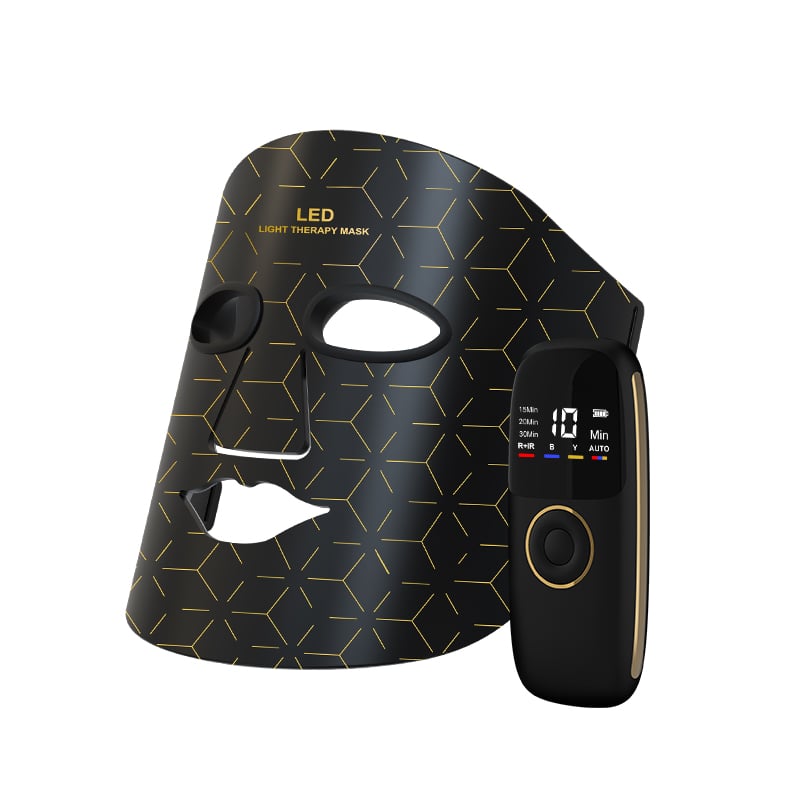
LED face therapy is often described as “cellular regeneration,” but that phrase needs careful translation. An LED face device does not replace cells on command or promise a new layer of skin. It uses selected visible or near-infrared wavelengths to encourage biological signaling that may support normal skin-maintenance processes. From a professional skin-management perspective, the useful question is not whether an LED face treatment is magic; it is which cellular pathways are plausibly involved, what conditions affect the response, and what results remain realistic.
In consumer skin care, cellular regeneration usually refers to the skin’s ongoing renewal and repair activity. Skin cells naturally cycle, communicate, make structural proteins, and respond to inflammation or stress. A well-designed LED face routine may support parts of that environment, but it does not turn back biological time or guarantee a visible result for every person. The distinction matters because healthy-looking texture, more even tone, and the appearance of fine lines are outcomes influenced by age, sun exposure, topical care, sleep, skin conditions, and consistent use; not light alone.
It helps to think of LED face therapy as a signal rather than a replacement part. The light is non-ionizing, meaning it does not act like ultraviolet light that damages DNA. Instead, target wavelengths can be absorbed by molecules in tissue. This field is commonly called photobiomodulation: light-driven modulation of cellular activity. “Modulation” is the important word. The response is dose-dependent and context-dependent, rather than automatic.
Red and near-infrared wavelengths are the most discussed wavelengths in an LED face treatment for skin-support applications. They can reach beyond the surface to different extents, depending on wavelength, device design, skin properties, and treatment parameters. Researchers have proposed that one important photoacceptor is cytochrome c oxidase, an enzyme in mitochondria. Mitochondria are often called cellular powerhouses because they help convert nutrients and oxygen into usable energy in the form of ATP.
When an LED face device delivers an appropriate dose, photon absorption may influence mitochondrial redox activity and nitric-oxide signaling. That may change the local cellular environment: ATP availability, reactive oxygen species used in signaling, calcium-related messages, and gene-expression pathways can all be part of the proposed cascade. A simple analogy is a dimmer switch, not an on/off switch. LED face light may nudge communication in a direction that supports normal repair signaling; it does not force every cell into the same response.
Photobiomodulation is frequently described as having a biphasic dose response. Too little energy may create little measurable effect, while too much may be less useful or irritating. This is why an LED face device should be used according to its instructions rather than by extending sessions in pursuit of faster results. Wavelength, irradiance, treatment time, distance from skin, and schedule all affect dose. High numbers on a product page do not, by themselves, show that a device will deliver an appropriate facial treatment.
One reason LED face therapy is associated with rejuvenation is its potential relationship to fibroblasts. Fibroblasts are skin cells involved in the extracellular matrix, including collagen-related processes. In laboratory and clinical contexts, red-light photobiomodulation has been studied for its possible influence on collagen synthesis, inflammatory signaling, and tissue repair. That does not mean every LED face product produces the same collagen response, nor does it mean a mask can erase established wrinkles.
A more accurate explanation is that LED face therapy may support conditions in which skin cells perform normal maintenance functions. Over time, some people may notice subtle changes in the look of texture or fine lines when treatment is consistent and paired with a basic skin-care routine. Results vary. The starting condition of the skin, the device’s true output, and adherence to the recommended schedule all matter. Realistic expectations are especially important because a temporary post-treatment glow is not the same thing as longer-term structural change.
Cellular signaling also intersects with inflammation. Controlled red or near-infrared LED face exposure may influence inflammatory mediators in ways researchers continue to study. Nitric oxide is relevant here because it is involved in vascular and cellular signaling. Still, it would be inaccurate to say that every this light-based facial treatment session “detoxes” skin, cures inflammatory disease, or guarantees circulation improvements. Those are marketing shortcuts, not responsible explanations.
The practical takeaway is that the treatment therapy can be a noninvasive adjunct, not a substitute for diagnosis or treatment. Persistent acne, rosacea-like symptoms, pigment changes, painful rashes, or wounds deserve professional assessment. If a person uses prescription photosensitizing medication or has a condition affected by light, they should ask a clinician before adding an light therapy for the face device.
For brands and buyers, the most useful the device routine questions go beyond “How many colors does it have?” Ask which wavelengths are used, how treatment time is controlled, whether eye protection is addressed, and whether output information is explained clearly. A device that supports repeatable positioning and a straightforward schedule is often more practical than one loaded with modes that discourage consistent use.
The careful answer is that a facial LED routine therapy may influence cellular processes associated with normal skin maintenance, including mitochondrial signaling and fibroblast-related activity. It is more scientifically sound to say that an light-based skin care device may support photobiomodulation than to promise literal cellular regeneration. The visible outcome, if any, is typically gradual and modest rather than dramatic.
For an this modality routine to be useful, consistency and safety matter more than exaggerated claims. Choose a device with clear instructions, use it at the recommended dose, and judge results over time. When positioned honestly, the routine therapy is a practical technology for supporting a broader skin-care routine; not a replacement for medical care or a shortcut around the biology of skin aging.

2026/10/30
Discover why in-house mold development helps an RF beauty device manufacturer improve product consistency, iteration speed, tooling control, and production readiness.

2026/10/30
Learn how to verify an RF beauty device manufacturer's R&D and prototyping capabilities using practical engineering workflows and audit checklists.

2026/10/30
Learn what shapes MOQ when choosing an RF beauty device manufacturer and how to plan a lower-risk first order with balanced platform and customization.

2026/10/30
Use this RF beauty device manufacturer evaluation checklist to compare safety evidence, OEM and ODM capability, quality control, and launch readiness.

2026/10/30
See how technology makes beauty at home more guided, consistent, and informed—plus a practical checklist for choosing devices wisely.

2026/10/30
Explore how AI and smart devices shape the future of beauty with responsive routines, clear guidance, trustworthy design, and user-controlled care.

Ideal for daily facial care routines, providing easy-to-use beauty solutions at home.

Perfect for spas and salons’ frequent treatments, enhancing client experiences and results.

Supports dermatologists with advanced devices for professional skin therapy sessions.

Delivers innovative solutions for full-body massage and relaxation with home devices.

Features anti-aging technologies to help reduce wrinkles and stimulate skin vitality.

Specialized devices for safe and effective hair removal suitable for home or clinic use.

Our customers love the Perfect Idea beauty devices. Quality, packaging, and results are all outstanding. We saw increased repeat sales after adding their facial cleansers to our lineup. Their support team is responsive and reliable.

Perfect Idea brings innovation and reliability to home beauty appliances. Our collaboration introduced their massage tools to Japanese women, boosting customer satisfaction and growing our brand trust across the region.

We partnered with Shenzhen Perfect Idea Tech for their beauty equipment. The shipping was fast and every product matched our expectations. Their home-use massagers are especially popular with local salons and home users.

The stylish packaging and attractive design make Perfect Idea stand out. French consumers appreciate the easy instructions and visible results. Communication was efficient and orders always arrived on time.

Perfect Idea home use personal care devices have become a favorite with our clients. The beauty device line offers quality at a reasonable price, and technical training for our staff made onboarding easy.

We selected Perfect Idea for our beauty product portfolio and have seen very positive feedback from our customers. Products are easy to market online and the customer support is reliable and helpful.
