 EN
Home Skincare
Ideal for daily facial care routines, providing easy-to-use beauty solutions at home.

2026/10/06
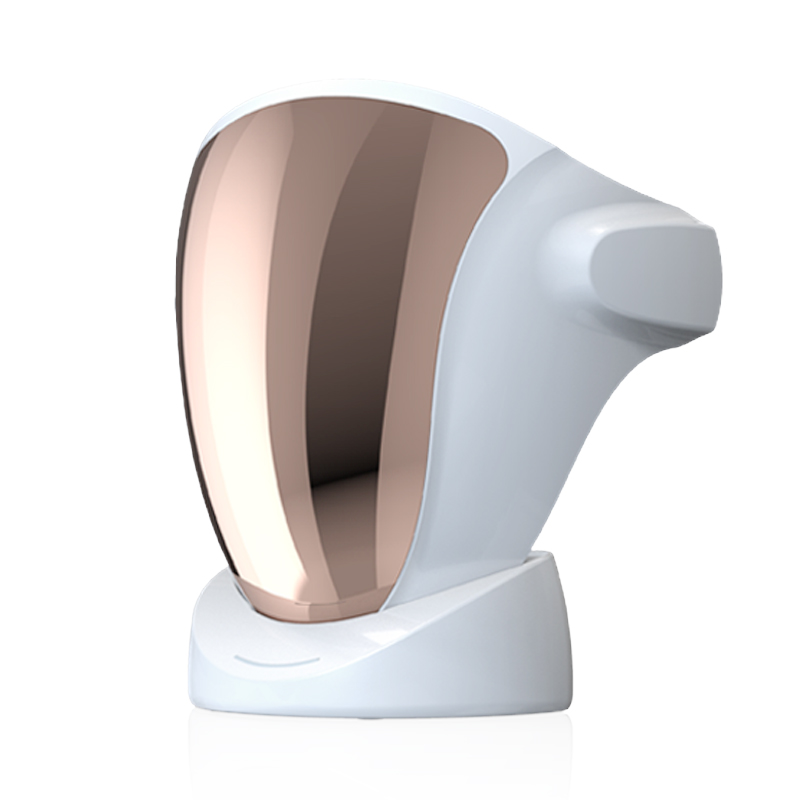
For a face care device, hot and cold therapy is not simply a pair of attention-grabbing modes. When it is engineered with controlled contact, predictable transitions, and clear use guidance, temperature becomes a way to make a routine feel more deliberate and comfortable. For OEM and ODM teams, the useful question is not whether a thermal feature can promise a dramatic transformation. It is whether it helps a face care routine deliver a better, repeatable user experience while staying within sensible skin-safety boundaries.
That distinction matters. Broad face care searches still focus on cleansing, moisturizing, protection, and targeted treatments. A thermal device should support those basics, not claim to replace them. In practical product development, warming can create a comforting preparation step, while cooling can create a refreshing finish. The performance gain comes from thoughtful sequencing, ergonomics, controls, and claims discipline rather than from temperature alone.
Heat and cold produce different immediate sensations, so they serve different moments in face care. A gentle warming phase can make a device feel inviting before cleansing, massage, or the application of a compatible cosmetic product. It may encourage slower, more even movement across the cheeks, jawline, and forehead. A cooling phase can feel calming after a routine and may be valued by users who want a refreshed sensation or a temporary reduction in the look of morning puffiness.
Neither effect should be framed as a cure, a permanent tightening result, or a substitute for dermatological treatment. Skin tolerance varies with skin condition, surrounding climate, topical products, and treatment history. In other words, temperature is a delivery experience within face care, not a standalone clinical outcome. That boundary makes a device easier to explain honestly and easier for a brand team to support with responsible instructions.
For face care devices, controlled warmth is often most valuable as a preparation cue. Users commonly associate a brief warm contact with relaxation and with taking time over a routine. A well-designed warm mode can therefore help turn a quick skincare step into a consistent ritual. Consistency is important because even a carefully designed device cannot create a good experience if it feels inconvenient or unpleasant enough to stay in a drawer.
From a product-design viewpoint, the relevant performance questions are specific: Does the applicator maintain a comfortable, stable feel? Is the contact surface sized for facial contours? Does the interface make the mode and duration obvious? Can the user stop the session immediately? These details shape face care performance more reliably than an impressive-looking temperature claim.
Warming also needs boundaries. Excessive heat, a long session, or use on compromised skin can increase discomfort. A mature face care design uses conservative limits, automatic shutoff, and plain-language instructions. It should tell users to begin at the lowest comfortable setting, avoid use over irritated or damaged skin, and stop if discomfort occurs. A device that feels safely predictable earns more trust than one that feels aggressively intense.
Cooling can give face care devices a distinct finishing role. The immediate cool sensation can be welcome after cleansing, after a warm mode, or after a long day. It can also help a brand build a clear routine narrative: prepare, treat or massage, then finish. That sequence is easier for a consumer to remember than a list of disconnected functions.
For development teams, the challenge is to make cooling even and comfortable rather than abrupt. Uneven contact, excessive cold, or a rigid head can undermine the very sense of care the mode is meant to create. Designs should consider sensor placement, contact pressure, treatment-time limits, and the way the head moves over small areas around the nose and eyes. Since vulnerable skin can react poorly to extreme temperatures, face care instructions should discourage use on areas with active irritation and direct users to follow professional advice after procedures or when they have a skin condition.
Alternating modes can make a face care device feel purposeful when each mode has a defined job. One useful concept is warm-to-cool: a short, comfortable warming stage introduces the session, and a cooling stage provides a clean, refreshed ending. Another is mode selection, where users choose warmth or cooling based on how their skin feels that day. The second approach is often easier to validate because it avoids implying that every user needs a fixed temperature cycle.
It is tempting to assume that more functions automatically make face care better. Not quite. A simpler device with stable thermal control, comfortable materials, understandable timers, and a useful facial shape can outperform a complicated device that asks too much of the user. The right specification depends on the intended routine, target market, and brand position.
Thermal performance is inseparable from the rest of the device. OEM and ODM teams should assess the following elements together:
These choices are especially relevant to private-label programs. the manufacturer can help brand teams translate a thermal face care concept into an OEM or ODM specification that considers function configuration, exterior design, packaging, and usage guidance as one product experience. The goal is not to overload a device; it is to create a face care routine that users can understand and repeat.
Hot and cold therapy can enhance face care device performance by improving comfort, creating a clearer sequence, and giving brands a more differentiated routine story. Its value is experiential and design-led: warmth can introduce a relaxing step, cooling can provide a refreshing finish, and controlled transitions can make the device feel more considered. For face care brands, the strongest result comes from conservative thermal control, comfortable ergonomics, transparent instructions, and claims that remain proportionate to the evidence. When those pieces work together, temperature becomes a useful part of a face care device rather than a feature added for its own sake.

2026/10/30
Discover why in-house mold development helps an RF beauty device manufacturer improve product consistency, iteration speed, tooling control, and production readiness.

2026/10/30
Learn how to verify an RF beauty device manufacturer's R&D and prototyping capabilities using practical engineering workflows and audit checklists.

2026/10/30
Learn what shapes MOQ when choosing an RF beauty device manufacturer and how to plan a lower-risk first order with balanced platform and customization.

2026/10/30
Use this RF beauty device manufacturer evaluation checklist to compare safety evidence, OEM and ODM capability, quality control, and launch readiness.

2026/10/30
See how technology makes beauty at home more guided, consistent, and informed—plus a practical checklist for choosing devices wisely.

2026/10/30
Explore how AI and smart devices shape the future of beauty with responsive routines, clear guidance, trustworthy design, and user-controlled care.

Ideal for daily facial care routines, providing easy-to-use beauty solutions at home.

Perfect for spas and salons’ frequent treatments, enhancing client experiences and results.

Supports dermatologists with advanced devices for professional skin therapy sessions.

Delivers innovative solutions for full-body massage and relaxation with home devices.

Features anti-aging technologies to help reduce wrinkles and stimulate skin vitality.

Specialized devices for safe and effective hair removal suitable for home or clinic use.

Our customers love the Perfect Idea beauty devices. Quality, packaging, and results are all outstanding. We saw increased repeat sales after adding their facial cleansers to our lineup. Their support team is responsive and reliable.

Perfect Idea brings innovation and reliability to home beauty appliances. Our collaboration introduced their massage tools to Japanese women, boosting customer satisfaction and growing our brand trust across the region.

We partnered with Shenzhen Perfect Idea Tech for their beauty equipment. The shipping was fast and every product matched our expectations. Their home-use massagers are especially popular with local salons and home users.

The stylish packaging and attractive design make Perfect Idea stand out. French consumers appreciate the easy instructions and visible results. Communication was efficient and orders always arrived on time.

Perfect Idea home use personal care devices have become a favorite with our clients. The beauty device line offers quality at a reasonable price, and technical training for our staff made onboarding easy.

We selected Perfect Idea for our beauty product portfolio and have seen very positive feedback from our customers. Products are easy to market online and the customer support is reliable and helpful.
