 EN
Home Skincare
Ideal for daily facial care routines, providing easy-to-use beauty solutions at home.

2026/10/08
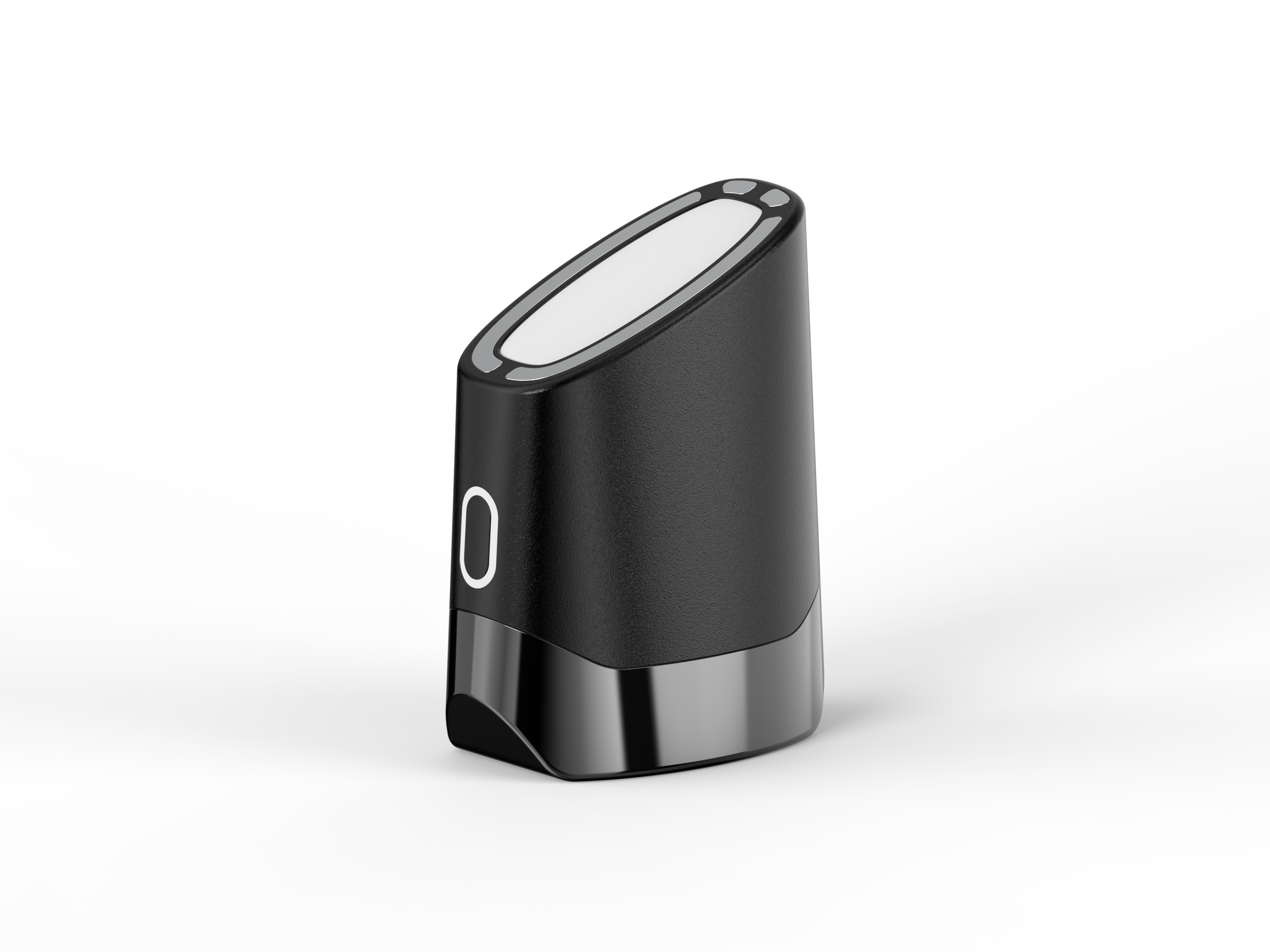
EMS face technology uses controlled electrical pulses intended to make targeted facial muscles contract. That is why an EMS face device is often described as a “lifting” or “toning” tool: it is designed to work with muscle activity rather than simply sit on the skin. Still, a temporary post-treatment look and a structural facelift are not the same thing. Understanding that difference helps set useful expectations.
From a skin-management perspective, a more useful question is not “Will an EMS face device transform my face overnight?” It is “What does this technology do, what can consistent use reasonably support, and when should I avoid it?” This guide explains the mechanism, evidence, routine, and safety boundaries without treating a home beauty device as medical care.
EMS means electrical muscle stimulation. In an EMS face treatment, conductive contact points deliver mild, programmed pulses through the skin. Those pulses are intended to activate motor nerves so a muscle contracts and relaxes. The sensation may be a light tapping, fluttering, or brief tightening, depending on the device setting and the area being treated.
Facial muscles are connected to expressions and contour movement. When an EMS face routine repeatedly stimulates selected muscles, the practical goal is to support muscle engagement and a more awake-looking, temporarily firmer appearance. It does not add volume, remove fat, rebuild collagen on demand, or reposition deep tissue. Think of it as a small, controlled muscle cue—not as a substitute for a surgical lift or clinical diagnosis.
This distinction matters because “lift” is a visual description, not a guarantee of a permanent anatomical change. A well-designed EMS face program may complement a consistent skin-care routine, but hydration, sleep, sun protection, skin condition, and facial anatomy also influence what a person sees in the mirror.
Muscles influence how the face moves and how certain areas appear at rest. A gentle EMS face session can create visible contractions, temporarily increase local circulation, and leave some users feeling that their facial contours look more defined immediately afterward. That immediate effect may be partly related to muscle activity and short-term fluid shifts; it should not be confused with a lasting facelift.
Consistency is more relevant than intensity. A small clinical study of facial neuromuscular electrical stimulation associated a 12-week course with changes in a facial muscle and subjective improvements in firmness, tone, and lift. However, the wider literature still needs more rigorous studies on facial aging and skin appearance. In other words, the research is interesting, but it does not justify assuming that every EMS face device, every setting, or every user will obtain the same outcome.
That uncertainty is useful, not discouraging. It shifts the focus from dramatic promises to a repeatable routine: follow the device instructions, use a comfortable setting, track how your skin responds, and judge results over the recommended period rather than after one session.
These terms are often used interchangeably in shopping pages, but they are not identical. An EMS face device is intended to create a more noticeable muscle contraction. Microcurrent tools typically use much lower current and may be felt less strongly. Devices can also combine EMS with heat, light, vibration, or other features, so a product’s label and manual matter more than a broad marketing category.
Before comparing results, check which mode you are using. More sensation does not automatically mean better performance, and higher intensity is not automatically more suitable for your skin or comfort level.
A sustainable EMS face routine is usually more valuable than an aggressive one. Begin with clean, intact skin and use only the conductive medium recommended by the manufacturer. This helps the device glide and promotes even contact. Start at the lowest comfortable setting; an intense setting is not a shortcut to a better-looking result.
Ask yourself a practical question: can you comfortably maintain the recommended schedule? A complicated routine that is abandoned after a few uses is less useful than a modest EMS face plan that fits your evening routine.
Electrical stimulation is not appropriate for everyone or every situation. Consumer safety guidance for electrical muscle stimulators notes that irritation, burns, bruising, pain, or shocks can occur with some devices. Do not use an EMS face device on broken, infected, inflamed, or unusually reactive skin. Do not place stimulation where the manufacturer prohibits it, and do not improvise placement near the front or sides of the neck.
People with implanted electronic devices, a history of seizures, pregnancy, recent facial procedures, significant skin conditions, or other health concerns should seek advice from a qualified clinician before trying an EMS face tool. The product manual is a safety document, not an optional extra. If its guidance conflicts with generic online advice, follow the manual and consult an appropriate professional.
For many users, the most realistic goal for EMS face technology is a supported sense of muscle engagement and a temporarily refreshed or firmer-looking appearance as part of a broader self-care routine. Individual outcomes vary with device design, placement, skin sensitivity, regularity, and baseline facial anatomy. It is reasonable to be curious about tone; it is not reasonable to expect an EMS face device to replace medical treatment, surgery, or individualized clinical advice.
The useful way to evaluate EMS face technology is simple: look for clear instructions, tolerable settings, transparent safety information, and claims that match the evidence. Treat steady use and sensible expectations as the foundation. If the device is comfortable, used as directed, and fits your routine, it may be a practical tool for supporting a well-rested, toned-looking finish—not a promise of a new face.

2026/10/30
Discover why in-house mold development helps an RF beauty device manufacturer improve product consistency, iteration speed, tooling control, and production readiness.

2026/10/30
Learn how to verify an RF beauty device manufacturer's R&D and prototyping capabilities using practical engineering workflows and audit checklists.

2026/10/30
Learn what shapes MOQ when choosing an RF beauty device manufacturer and how to plan a lower-risk first order with balanced platform and customization.

2026/10/30
Use this RF beauty device manufacturer evaluation checklist to compare safety evidence, OEM and ODM capability, quality control, and launch readiness.

2026/10/30
See how technology makes beauty at home more guided, consistent, and informed—plus a practical checklist for choosing devices wisely.

2026/10/30
Explore how AI and smart devices shape the future of beauty with responsive routines, clear guidance, trustworthy design, and user-controlled care.

Ideal for daily facial care routines, providing easy-to-use beauty solutions at home.

Perfect for spas and salons’ frequent treatments, enhancing client experiences and results.

Supports dermatologists with advanced devices for professional skin therapy sessions.

Delivers innovative solutions for full-body massage and relaxation with home devices.

Features anti-aging technologies to help reduce wrinkles and stimulate skin vitality.

Specialized devices for safe and effective hair removal suitable for home or clinic use.

Our customers love the Perfect Idea beauty devices. Quality, packaging, and results are all outstanding. We saw increased repeat sales after adding their facial cleansers to our lineup. Their support team is responsive and reliable.

Perfect Idea brings innovation and reliability to home beauty appliances. Our collaboration introduced their massage tools to Japanese women, boosting customer satisfaction and growing our brand trust across the region.

We partnered with Shenzhen Perfect Idea Tech for their beauty equipment. The shipping was fast and every product matched our expectations. Their home-use massagers are especially popular with local salons and home users.

The stylish packaging and attractive design make Perfect Idea stand out. French consumers appreciate the easy instructions and visible results. Communication was efficient and orders always arrived on time.

Perfect Idea home use personal care devices have become a favorite with our clients. The beauty device line offers quality at a reasonable price, and technical training for our staff made onboarding easy.

We selected Perfect Idea for our beauty product portfolio and have seen very positive feedback from our customers. Products are easy to market online and the customer support is reliable and helpful.
