 EN
Home Skincare
Ideal for daily facial care routines, providing easy-to-use beauty solutions at home.

2026/10/12
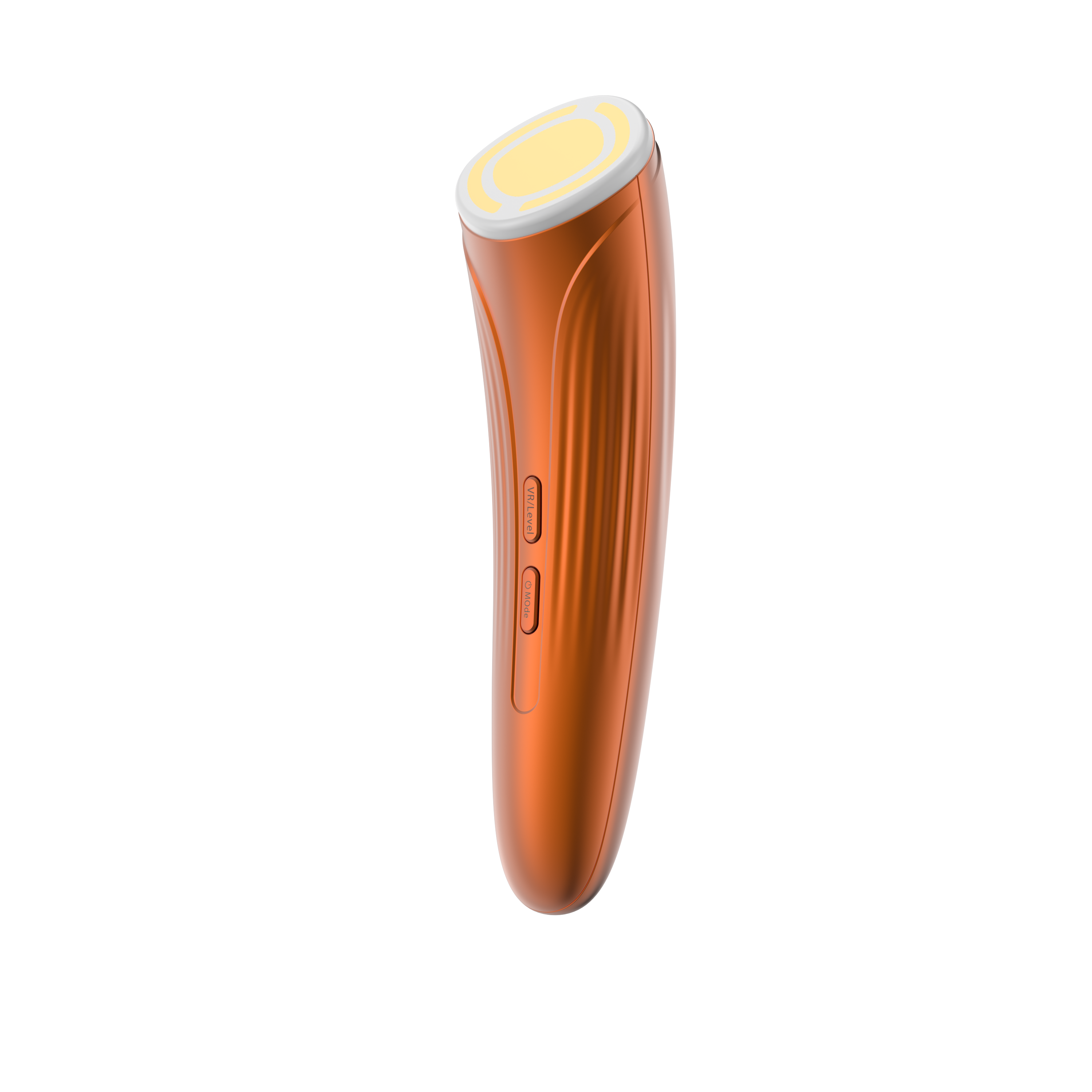
For an international brand buyer, a promising sample is only the beginning. The more useful question is whether a Beauty equipment producer can turn that sample into repeatable, documented output when orders scale. A prototype may look polished on a desk and still reveal weak points once materials, assembly steps, operators, and incoming components vary. Quality therefore has to be designed into the route from concept to shipment, not inspected into a finished device at the end.
That distinction matters especially for home beauty devices. Buyers must balance user comfort, electrical or thermal functions, appearance, packaging, and market-specific requirements. A capable Beauty equipment producer treats each stage as evidence-building: first proving the design can work, then proving it can be made consistently, and finally proving each production lot follows the approved process.
During prototyping, the priority is to turn an idea into testable assumptions. The Beauty equipment producer should define what the sample is expected to demonstrate: functional sequence, enclosure fit, ergonomics, charging behavior, heat management, light output where applicable, and the likely user workflow. A visual mock-up and an engineering prototype answer different questions, so buyers should ask which version they are reviewing.
Prototype reviews work more reliably when acceptance points are written down before testing begins. That might include the intended bill of materials, key dimensions, component alternatives, assembly risks, and foreseeable misuse conditions. If a test exposes a problem, the useful record is not simply “rework completed.” It is the observed issue, root-cause hypothesis, change made, retest result, and decision to proceed or hold. This is how a Beauty equipment producer prevents a one-off hand-built sample from being mistaken for a production-ready design.
Once the direction is approved, the Beauty equipment producer needs a controlled verification plan. The plan should connect product requirements to test methods and acceptance criteria. For a home beauty device, this can cover mechanical fit, cosmetic finish, button response, charging and battery behavior, thermal boundaries, labeling, packaging protection, and performance checks appropriate to the product’s intended function.
There is an important boundary here: a buyer should not assume that a generic test list proves suitability for every market or every claim. Compliance pathways depend on the device, its intended use, and destination. The practical question is whether the Beauty equipment producer can identify the applicable requirements early, preserve the relevant evidence, and explain what has and has not been validated. FDA quality-system guidance, for example, describes the general principle that manufacturers should establish and follow a quality management system so products consistently meet applicable requirements and specifications. That principle is useful even when a particular home beauty product is not being represented as a medical device.
A design that passes a prototype test can still drift when it reaches the line. Before mass production, a disciplined Beauty equipment producer freezes the approved baseline: drawings, bill of materials, firmware or configuration where relevant, approved samples, process instructions, inspection criteria, and packaging specifications. Changes then need traceable review rather than an informal substitution on the factory floor.
This is where an ODM partner’s development discipline becomes visible. For brands seeking differentiated functions, appearance, or packaging, customization should not mean uncontrolled variation. A sound change-control process identifies whether a new supplier, revised mold, cosmetic material, or software revision affects safety, function, fit, or test coverage. If it does, the Beauty equipment producer should define the extra verification needed before release.
Mass-production consistency begins before final assembly. The Beauty equipment producer should maintain approved material and component specifications, supplier records, incoming inspection points, and a clear response for nonconforming parts. Plastic housings, cables, batteries, LEDs, switches, adhesives, printed labels, and retail packaging can all affect the user’s experience and the device’s final conformity.
Not every item needs the same inspection intensity. Risk-based control is more practical: a cosmetic carton may be checked differently from a component that affects charging, heat, or core function. A buyer can ask for examples of incoming inspection criteria, lot identification, and how suspect materials are segregated. The answer should show a process, not just a promise that materials are “high quality.”
Final inspection is necessary, but it cannot reliably rescue a weak process. A mature Beauty equipment producer places controls at the stages where errors are introduced: work instructions at assembly stations, first-piece confirmation, in-process functional checks, controlled tooling, traceable test records, and clear handling for failed units. Training and visual standards matter because even an approved design can be assembled inconsistently if the work sequence is ambiguous.
The most valuable production data links a unit or batch to its materials, process conditions, test outcome, and corrective actions. That traceability helps a Beauty equipment producer investigate a recurring issue without guessing which lot or operation changed. For buyers, it also supports more constructive supplier conversations: instead of debating anecdotal defects, both sides can review documented evidence and agree on containment and prevention.
The first mass-production run is a learning gate, not simply a delivery deadline. A responsible Beauty equipment producer compares output with the approved sample and checks whether the actual line can meet the defined criteria at normal speed. The review should include appearance, fit, core functions, packaging, labeling, and any project-specific reliability or transport checks that were agreed in advance.
If a discrepancy appears, a sound response is to contain affected units, define the scope, identify the likely cause, and verify the corrective action before routine production resumes. It is tempting to focus only on replacement units. In practice, the stronger sign of supplier capability is whether the same issue becomes less likely in the next lot because the process was improved.
Quality claims become more meaningful when a buyer can review a compact evidence pack. Depending on the project, request the approved specification and sample status, prototype and verification records, bill-of-materials and change-control approach, incoming and in-process inspection criteria, final test plan, lot traceability method, packaging checks, and a nonconformance or corrective-action workflow. The exact documents vary by product and market, but the logic remains the same: requirements should connect to checks, checks should create records, and records should support decisions.
For brands entering the US, European, Japanese, or Korean markets, it is also sensible to discuss intended claims and regulatory expectations early rather than after tooling or packaging is fixed. A Beauty equipment producer with OEM/ODM capability can contribute practical manufacturing input, but the brand should still confirm its own market obligations with qualified regulatory resources.
When evaluating a Beauty equipment producer, look beyond a well-finished sample or a long feature list. The real measure is whether the producer can show how prototype findings become controlled specifications, how suppliers and assembly steps are monitored, and how production evidence triggers improvement. That is the foundation for a more predictable launch and a more stable long-term supply relationship.
A clear stage-gate conversation early in development is often a practical way to protect both sides. It sets realistic expectations, gives the brand visibility into quality decisions, and helps the Beauty equipment producer build devices that are not only attractive in prototype form but also dependable at scale.

2026/10/30
Discover why in-house mold development helps an RF beauty device manufacturer improve product consistency, iteration speed, tooling control, and production readiness.

2026/10/30
Learn how to verify an RF beauty device manufacturer's R&D and prototyping capabilities using practical engineering workflows and audit checklists.

2026/10/30
Learn what shapes MOQ when choosing an RF beauty device manufacturer and how to plan a lower-risk first order with balanced platform and customization.

2026/10/30
Use this RF beauty device manufacturer evaluation checklist to compare safety evidence, OEM and ODM capability, quality control, and launch readiness.

2026/10/30
See how technology makes beauty at home more guided, consistent, and informed—plus a practical checklist for choosing devices wisely.

2026/10/30
Explore how AI and smart devices shape the future of beauty with responsive routines, clear guidance, trustworthy design, and user-controlled care.

Ideal for daily facial care routines, providing easy-to-use beauty solutions at home.

Perfect for spas and salons’ frequent treatments, enhancing client experiences and results.

Supports dermatologists with advanced devices for professional skin therapy sessions.

Delivers innovative solutions for full-body massage and relaxation with home devices.

Features anti-aging technologies to help reduce wrinkles and stimulate skin vitality.

Specialized devices for safe and effective hair removal suitable for home or clinic use.

Our customers love the Perfect Idea beauty devices. Quality, packaging, and results are all outstanding. We saw increased repeat sales after adding their facial cleansers to our lineup. Their support team is responsive and reliable.

Perfect Idea brings innovation and reliability to home beauty appliances. Our collaboration introduced their massage tools to Japanese women, boosting customer satisfaction and growing our brand trust across the region.

We partnered with Shenzhen Perfect Idea Tech for their beauty equipment. The shipping was fast and every product matched our expectations. Their home-use massagers are especially popular with local salons and home users.

The stylish packaging and attractive design make Perfect Idea stand out. French consumers appreciate the easy instructions and visible results. Communication was efficient and orders always arrived on time.

Perfect Idea home use personal care devices have become a favorite with our clients. The beauty device line offers quality at a reasonable price, and technical training for our staff made onboarding easy.

We selected Perfect Idea for our beauty product portfolio and have seen very positive feedback from our customers. Products are easy to market online and the customer support is reliable and helpful.
