 EN
Home Skincare
Ideal for daily facial care routines, providing easy-to-use beauty solutions at home.

2026/10/06
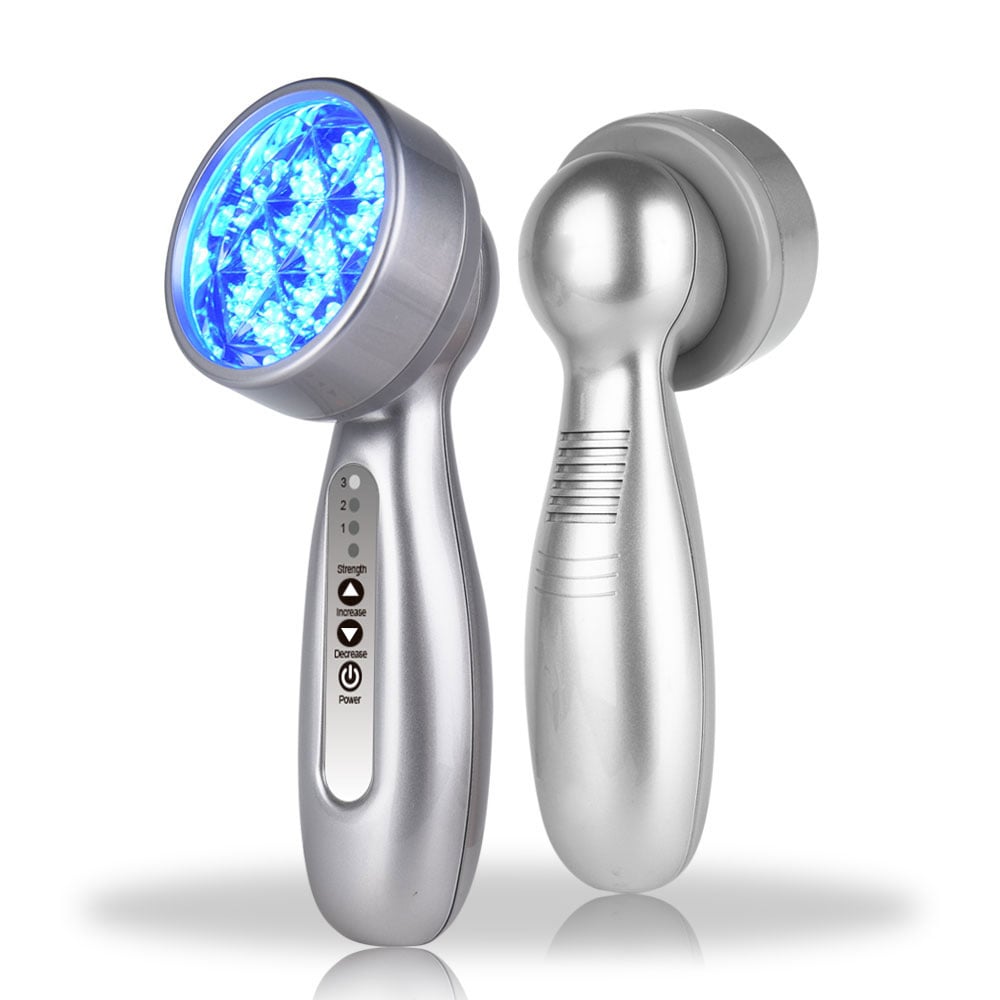
Searches for beauty tools often promise a sharper jawline, higher-looking cheeks, or a visibly lifted face. The useful answer is less dramatic: different tools can support different outcomes, and none can permanently rearrange facial bone structure. Some can temporarily reduce puffiness, some may improve the look of skin with consistent use, and some work mainly as a relaxing part of a routine rather than a sculpting solution.
As a practical buyer’s guide, this article separates the claims from the likely results. It is especially relevant for brands and retailers evaluating home-use devices: a sound category choice starts with a clear benefit claim, safe instructions, and realistic customer expectations.
The phrase can mean three very different things. First, de-puffing is a short-term change in the look of swelling or fluid retention. Second, muscle stimulation and skin appearance may create a more refreshed or toned-looking result over a course of use. Third, permanent structural reshaping is a much larger claim that at-home beauty tools should not make.
That distinction helps prevent a common disappointment: a tool can feel effective after a morning routine because the face looks less puffy, while still not producing a permanent contour change. Results also vary with sleep, salt intake, skin sensitivity, technique, and consistency.
Gua sha stones, facial rollers, and cooling wands are among the simplest beauty tools for face sculpting. Used gently with slip from a serum or facial oil, they can make a routine feel calming and can help create a temporarily less-puffy appearance. The motion, pressure, and cooling sensation matter more than the material or a luxury label.
A recent randomized study comparing facial roller and gua sha massage reported modest changes in facial-contour measures and muscle properties after an eight-week routine. That is useful context, but it is not proof of a permanent new face shape. For most users, the most realistic result is short-lived de-puffing plus a relaxed, more awake appearance.
Avoid aggressive scraping. Stop if skin becomes painful, bruised, or persistently irritated, and ask a qualified clinician about use around recent injectable treatments or a skin condition.
Among powered beauty tools, microcurrent devices are the closest match for shoppers seeking a more targeted facial-toning routine. They deliver a low-level electrical current through conductive gel and are typically used in slow, guided passes along areas such as the cheek, jawline, and brow.
The evidence is not a license for miracle language. A review of home facial-rejuvenation devices summarized a 12-week randomized controlled trial of a portable microcurrent device in which the treatment group showed improvements in measures such as gloss and wrinkles compared with a control group; mild redness was reported by some participants. That supports cautious, appearance-focused messaging, not claims of permanent lifting or medical treatment.
LED masks are popular beauty tools, but they belong in a different results category. Light-based routines may support skin-focused goals such as the appearance of tone, texture, redness, or blemish-prone skin depending on the device and its instructions. Cleveland Clinic notes that research suggests LED light therapy can help with some skin concerns. That does not mean an LED mask physically sculpts the cheeks or jaw.
For a brand assortment, LED can complement a face-care story, while a massage tool or microcurrent device speaks more directly to a temporary de-puffing or toned-looking objective. Keep those messages separate when marketing beauty tools. A product that improves how skin looks may make contours appear more defined in photographs, but that is not the same as changing facial structure.
| Tool type | Most realistic benefit | What not to expect | Best buying question |
|---|---|---|---|
| Gua sha, roller, cooling wand | Short-term de-puffing and a refreshed look | Permanent lifting or bone reshaping | Is the shape easy to clean and use gently? |
| Microcurrent device | Consistency-based facial-toning and appearance support | Instant, permanent transformation | Are instructions, conductive medium, and safety screening clear? |
| LED mask | Skin-quality support within the device’s stated use | Direct contour sculpting | Is the intended skin concern and treatment plan clear? |
When comparing beauty tools, start with the visible concern rather than the viral promise. The right beauty tools for morning puffiness are not necessarily the right beauty tools for a skin-texture routine. This short checklist helps shoppers and product teams keep beauty tools in the correct results category.
For buyers, these questions turn beauty tools from a broad trend into a useful product decision. They also help brands present beauty tools responsibly: explain what a routine may support, how long consistency matters, and what it cannot change. In that context, beauty tools earn trust through clarity rather than exaggeration.
Beauty tools are easier to assess when the promise is specific. Beauty tools should earn repeat use through comfort. Beauty tools need clear cleaning directions. Beauty tools work within a routine, not outside it. Beauty tools merit careful safety guidance. Beauty tools should be selected for the concern at hand. Beauty tools benefit from consistent technique. Beauty tools do not need inflated language to be useful. Beauty tools that fit daily habits are more likely to be used. Beauty tools should be reviewed with realistic photographs. Beauty tools can complement skincare rather than replace care. Beauty tools need sensible expectations. Beauty tools should suit the user’s comfort level. Beauty tools deserve a measured trial period.
Choose beauty tools with a specific purpose.
The beauty tools that deliver the most believable face-sculpting results are the ones matched to a narrow goal. Massage tools can be worthwhile for a brief de-puffed look. Microcurrent is the most relevant category for people prepared to follow a consistent toning routine, with sensible safety checks. LED can be valuable for skin appearance, but it is not a contouring device.
Choose the tool that solves the problem you actually have, follow its instructions, and evaluate beauty tools over weeks instead of minutes. That approach creates a far better outcome than chasing an unrealistic promise of permanent at-home sculpting.

2026/10/30
Discover why in-house mold development helps an RF beauty device manufacturer improve product consistency, iteration speed, tooling control, and production readiness.

2026/10/30
Learn how to verify an RF beauty device manufacturer's R&D and prototyping capabilities using practical engineering workflows and audit checklists.

2026/10/30
Learn what shapes MOQ when choosing an RF beauty device manufacturer and how to plan a lower-risk first order with balanced platform and customization.

2026/10/30
Use this RF beauty device manufacturer evaluation checklist to compare safety evidence, OEM and ODM capability, quality control, and launch readiness.

2026/10/30
See how technology makes beauty at home more guided, consistent, and informed—plus a practical checklist for choosing devices wisely.

2026/10/30
Explore how AI and smart devices shape the future of beauty with responsive routines, clear guidance, trustworthy design, and user-controlled care.

Ideal for daily facial care routines, providing easy-to-use beauty solutions at home.

Perfect for spas and salons’ frequent treatments, enhancing client experiences and results.

Supports dermatologists with advanced devices for professional skin therapy sessions.

Delivers innovative solutions for full-body massage and relaxation with home devices.

Features anti-aging technologies to help reduce wrinkles and stimulate skin vitality.

Specialized devices for safe and effective hair removal suitable for home or clinic use.

Our customers love the Perfect Idea beauty devices. Quality, packaging, and results are all outstanding. We saw increased repeat sales after adding their facial cleansers to our lineup. Their support team is responsive and reliable.

Perfect Idea brings innovation and reliability to home beauty appliances. Our collaboration introduced their massage tools to Japanese women, boosting customer satisfaction and growing our brand trust across the region.

We partnered with Shenzhen Perfect Idea Tech for their beauty equipment. The shipping was fast and every product matched our expectations. Their home-use massagers are especially popular with local salons and home users.

The stylish packaging and attractive design make Perfect Idea stand out. French consumers appreciate the easy instructions and visible results. Communication was efficient and orders always arrived on time.

Perfect Idea home use personal care devices have become a favorite with our clients. The beauty device line offers quality at a reasonable price, and technical training for our staff made onboarding easy.

We selected Perfect Idea for our beauty product portfolio and have seen very positive feedback from our customers. Products are easy to market online and the customer support is reliable and helpful.
