 EN
Home Skincare
Ideal for daily facial care routines, providing easy-to-use beauty solutions at home.

2026/10/10
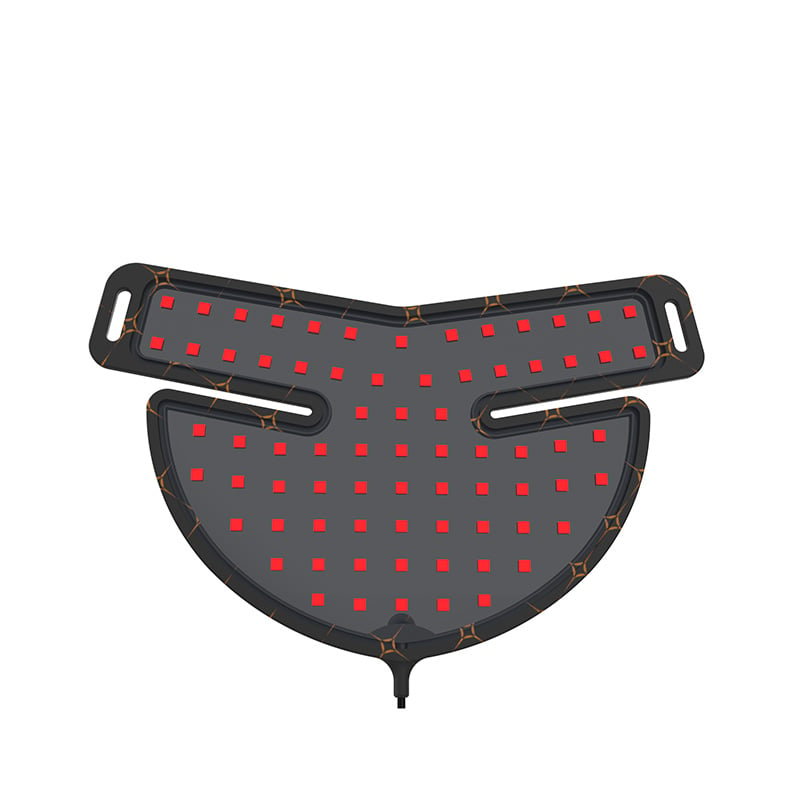
For a brand buyer, facial LED device procurement is not a search for the most dramatic marketing claim. It is a structured decision about intended use, user comfort, documentation, manufacturing control, and the market where the finished device will be sold. A focused brief turns a broad facial LED device concept into a product program your team can audit.
From the perspective of a buyer serving North American, European, or Asian beauty-device channels, the key question is simple: can the supplier turn the proposed red light therapy face device into a consistent, clearly labeled, supportable product? The answer should come from records and samples, not from a wavelength number or a lifestyle render alone.
Before comparing factories, define what the facial LED device device is meant to be in your range. Is it a home beauty accessory, a salon-oriented tool, or a device intended for a regulated pathway in a specific market? These categories can require different claims, labeling, risk reviews, sales training, and post-sale support. A supplier cannot responsibly quote the same solution for every route to market.
Create a one-page product brief that states the audience, target countries, form factor, planned claims, preferred price band, package languages, power configuration, and launch channel. For a facial LED device program, include how close to the eyes the device will sit, how it will be cleaned, whether the user can adjust settings, and what instructions must accompany it. If your marketing team has not settled the claims, mark them as open rather than allowing a factory to fill the gap with generic benefit language.
A supplier may describe LEDs, output settings, treatment programs, or mechanical features. Those details matter, but they do not automatically establish what a finished facial LED device product may claim in every country. Treat the technical specification, the substantiation file, and the sales copy as three different workstreams. They must align before launch, yet each needs its own review.
For example, the American Academy of Dermatology advises consumers to follow device instructions and notes that FDA clearance, where applicable, is device-specific. That is a useful procurement reminder: ask for the exact documentation that supports the intended market and intended use. Do not convert a supplier statement about a component, a test, or a different model into a blanket claim for your red light therapy face launch.
Many facial LED device comparisons stop at the light source. Buyers should also inspect fit, weight distribution, strap adjustment, edge finishing, control placement, charging access, heat perception, cleaning instructions, and storage. A device that is difficult to position or explain may create returns even when its visual design is attractive.
Ask for pre-production samples in the intended packaging configuration. Use a repeatable review sheet with several face shapes, not just a single demonstration. Note where the facial LED device unit contacts the skin, whether instructions are understandable without live training, and whether the user can identify the correct treatment sequence. This is not a substitute for safety validation; it is a practical way to uncover usability issues while changes are still affordable.
For brand owners, the dependable facial LED device supplier is the one that can explain how a prototype becomes a repeatable batch. Ask how design changes are logged, which incoming materials are checked, how assembly points are inspected, what final-function checks are performed, and how nonconforming units are isolated. The response should connect people, documents, samples, and production records.
Shenzhen Perfect Idea Tech. Co., Ltd. presents its home beauty-device portfolio as supporting OEM and ODM development across product design, appearance, and packaging. In a supplier discussion, treat capabilities like these as items to validate against the actual project scope. Request a responsibility matrix covering industrial design, logo application, packaging, instruction localization, sampling milestones, quality acceptance criteria, and change approval. That makes the facial LED device procurement conversation concrete without assuming a capability applies to every model.
A useful facial LED device procurement file is more than a quotation. It should give your team a traceable reference when the sample, artwork, purchase order, and final inspection must match. The exact contents depend on the product and destination, but the pack should establish a controlled baseline.
When a supplier provides a document, check that the model name, revision, and factory identity match the item being bought. That small discipline helps prevent a common facial LED device error: relying on material prepared for a similar-looking unit rather than the exact configuration in the purchase order.
The lowest quote for a facial LED device device can hide costly uncertainty: unclear inclusions, a weak sampling process, missing artwork ownership, or inconsistent instructions. Ask each supplier to state what is included in tooling, samples, artwork revisions, packaging development, testing coordination, inspection, and after-sales support. Then compare the response against your launch plan.
A practical scorecard gives weight to specification clarity, sample quality, project communication, documentation discipline, manufacturing control, and commercial fit. Price belongs on the scorecard, but it should not erase the evidence behind the facial LED device program. If a buyer cannot explain how the unit, labels, and instructions will remain consistent after the first sample, the apparent saving may not be a saving.
A short register helps the buying team compare the approved concept with the physical unit without treating a supplier presentation as final proof. For each control point below, retain the brief and sample record together.
For a reliable facial LED device launch, use gates rather than one large approval. Gate one confirms the product brief and claims boundaries. Gate two approves the prototype and usability review. Gate three locks the specification, artwork, and acceptance criteria. Gate four reviews the pre-production sample and production plan. The final gate checks the finished goods against the approved baseline before shipment.
This approach also protects the working relationship. It gives the supplier clear decisions to execute and gives the brand a record of what was agreed. Ultimately, sound red light therapy face procurement is not about the boldest promise. It is about a product program the factory, brand, and end user can understand and support.

2026/10/30
Discover why in-house mold development helps an RF beauty device manufacturer improve product consistency, iteration speed, tooling control, and production readiness.

2026/10/30
Learn how to verify an RF beauty device manufacturer's R&D and prototyping capabilities using practical engineering workflows and audit checklists.

2026/10/30
Learn what shapes MOQ when choosing an RF beauty device manufacturer and how to plan a lower-risk first order with balanced platform and customization.

2026/10/30
Use this RF beauty device manufacturer evaluation checklist to compare safety evidence, OEM and ODM capability, quality control, and launch readiness.

2026/10/30
See how technology makes beauty at home more guided, consistent, and informed—plus a practical checklist for choosing devices wisely.

2026/10/30
Explore how AI and smart devices shape the future of beauty with responsive routines, clear guidance, trustworthy design, and user-controlled care.

Ideal for daily facial care routines, providing easy-to-use beauty solutions at home.

Perfect for spas and salons’ frequent treatments, enhancing client experiences and results.

Supports dermatologists with advanced devices for professional skin therapy sessions.

Delivers innovative solutions for full-body massage and relaxation with home devices.

Features anti-aging technologies to help reduce wrinkles and stimulate skin vitality.

Specialized devices for safe and effective hair removal suitable for home or clinic use.

Our customers love the Perfect Idea beauty devices. Quality, packaging, and results are all outstanding. We saw increased repeat sales after adding their facial cleansers to our lineup. Their support team is responsive and reliable.

Perfect Idea brings innovation and reliability to home beauty appliances. Our collaboration introduced their massage tools to Japanese women, boosting customer satisfaction and growing our brand trust across the region.

We partnered with Shenzhen Perfect Idea Tech for their beauty equipment. The shipping was fast and every product matched our expectations. Their home-use massagers are especially popular with local salons and home users.

The stylish packaging and attractive design make Perfect Idea stand out. French consumers appreciate the easy instructions and visible results. Communication was efficient and orders always arrived on time.

Perfect Idea home use personal care devices have become a favorite with our clients. The beauty device line offers quality at a reasonable price, and technical training for our staff made onboarding easy.

We selected Perfect Idea for our beauty product portfolio and have seen very positive feedback from our customers. Products are easy to market online and the customer support is reliable and helpful.
